
Satin Fabric
Experience the unparalleled elegance and luxurious feel of our satin fabric collection, crafted with expert precision using the classic satin weave technique. Satin cloth fabric is distinguished by its smooth, glossy surface that reflects light beautifully, creating a rich, lustrous appearance perfect for adding a touch of sophistication to any project.
Our satin material is incredibly versatile and widely favored for its fluid drape and silky hand feel, making it an excellent choice for a variety of applications. Whether you're designing stunning evening gowns, chic blouses, delicate lingerie, or opulent home décor such as curtains and cushion covers, satin fabric cloth del. . . Show More >
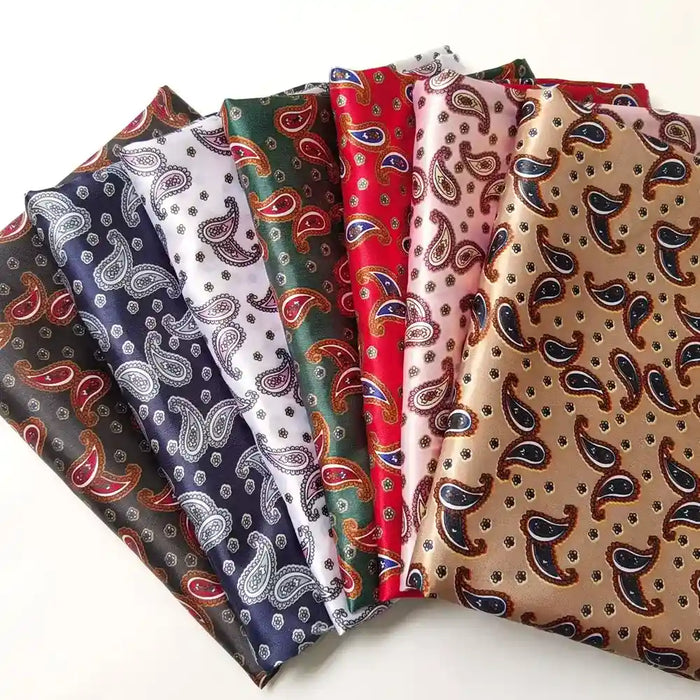
Ethnic Satin Paisley Fabric By The Yard-Longan Craft
- Regular
- from $10.99
- Sale
- from $10.99
- Regular
-
$10.99
Sold Out
- Unit Price
- per

Solid Color Polyester Satin Fabric By The Yard | Stretchy Satin Material | Satin Spandex Fabric
- Regular
- from $6.99
- Sale
- from $6.99
- Regular
-
$0.00
Sold Out
- Unit Price
- per

Floral Polyester Satin Fabric By The Yard | Colorful Satin Jacquard Material | Satin Fabric For Dresses
- Regular
- from $6.99
- Sale
- from $6.99
- Regular
-
$0.00
Sold Out
- Unit Price
- per

Multicolor Satin Fabric By The Yard | Silky Polyester Satin Cloth | Perfect Satin Textile For Apparel
- Regular
- from $6.99
- Sale
- from $6.99
- Regular
-
$0.00
Sold Out
- Unit Price
- per

Colorful Striped Jacquard Satin Fabric By The Yard | Shiny Patterned Stripe Satin Material | Satin Material For Dressmaking
- Regular
- from $4.99
- Sale
- from $4.99
- Regular
-
$0.00
Sold Out
- Unit Price
- per

Matte Satin Fabric By The Yard | Polyester Satin Fabric for Dress | Satin Textile Ideal For Dresses
- Regular
- from $6.99
- Sale
- from $6.99
- Regular
-
$0.00
Sold Out
- Unit Price
- per

Leopard Jacquard Satin Fabric By The Yard | Multicolor Animal Jacquard Satin Material | Satin Textile For DIY Shirts
- Regular
- from $7.99
- Sale
- from $7.99
- Regular
-
$0.00
Sold Out
- Unit Price
- per

Rose Jacquard Satin Fabric By The Yard | Floral Patterned Satin Material | Satin Textile For Dresses
- Regular
- from $3.99
- Sale
- from $3.99
- Regular
-
$0.00
Sold Out
- Unit Price
- per

Shiny Liquid Satin Fabric By The Yard | Bridesmaid Dresses Satin Textile | Ideal Satin Material For Formalwear
- Regular
- from $3.99
- Sale
- from $3.99
- Regular
-
$0.00
Sold Out
- Unit Price
- per

Charmeuse Satin Fabric By The Yard | Thick Bridal Crepe Satin for Dress | Satin Textile For Gowns
- Regular
- from $11.99
- Sale
- from $11.99
- Regular
-
$0.00
Sold Out
- Unit Price
- per

Snowflake Jacquard Satin Fabric By The Yard | White Polyester Jacquard Satin Material | Smooth Satin Textile For Dresses
- Regular
- from $7.99
- Sale
- from $7.99
- Regular
-
$0.00
Sold Out
- Unit Price
- per

Polka Dot Printed Satin Fabric By The Yard | Multicolor Dot Polyester Satin Clothing Fabric | Silky Satin Material for Dressmaking
- Regular
- from $6.99
- Sale
- from $6.99
- Regular
-
$0.00
Sold Out
- Unit Price
- per

Linen Viscose Jacquard Satin Fabric By The Yard | Subtle Floral Pattern Rayon Satin Material | Luxury Satin Fabric for Dresses
- Regular
- from $12.99
- Sale
- from $12.99
- Regular
-
$0.00
Sold Out
- Unit Price
- per

Striped Printed Satin Fabric By The Yard | Thin Satin Material With Shiny Stripe Pattern | Premium Dressmaking Satin Material
- Regular
- from $6.99
- Sale
- from $6.99
- Regular
-
$0.00
Sold Out
- Unit Price
- per

Small Polka Dot Jacquard Satin Fabric By The Yard | Multicolor Dot Satin Weave Fabric | Cozy Satin Material For Clothing
- Regular
- from $7.99
- Sale
- from $7.99
- Regular
-
$0.00
Sold Out
- Unit Price
- per