Premium Comfort: Why Choose minky fabric
Discover the ultimate in softness and versatility with minky fabric, a go-to material for makers, parents, and designers who value comfort and easy-care performance. Whether you’re sewing a baby blanket, crafting plushies, or designing cozy apparel, high-quality minky fabric delivers a buttery hand, excellent warmth, and minimal shedding—everything you need for long-lasting, touchable creations.
What is minky fabric? Quick overview
At its core, minky fabric is a plush polyester knit known for a dense pile and exceptionally soft surface. It’s often compared to microfiber or velvet for its tactile appeal but stands out for warmth, durability, and a wide range of finishes—from smooth, velvety surfaces to embossed and textured variations. Minky fabric is made of polyester fibers engineered to create a soft, resilient pile that holds color well and resists frequent washing.
What is minky fabric made of?
Primarily made from polyester fibers, minky fabric is synthetic, quick-drying, and colorfast. High-quality minky is produced with dense, fine fibers creating a plush surface that resists matting and performs well in home laundering. While polyester is not naturally breathable like cotton, modern minky constructions balance warmth and comfort for intended uses like blankets and toys.
Key product features of minky fabric
- Exceptional softness: premium soft minky fabric provides an almost velvety feel that encourages touch and cuddling.
- Low shed, easy care: engineered to shed minimally and hold up well in regular washing—perfect for daily-use items.
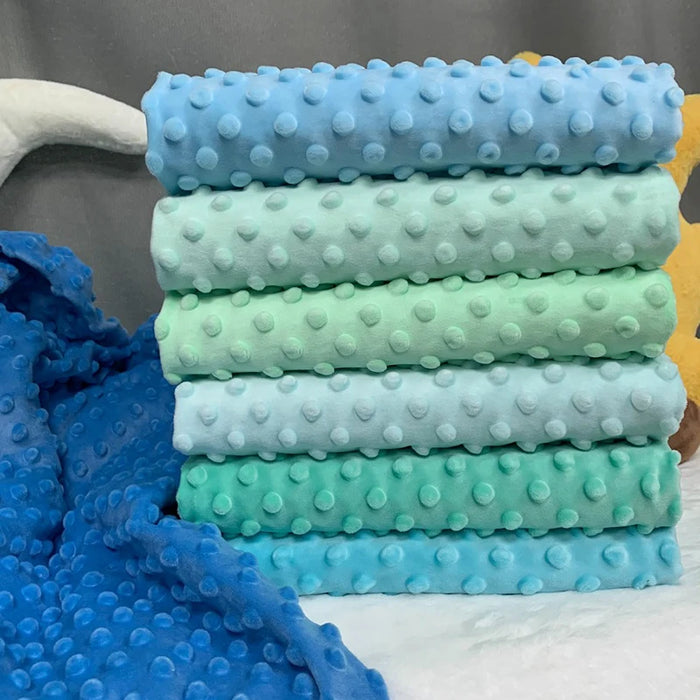
- Variety of textures: options include smooth, embossed dots and stretch variants for fitted projects.
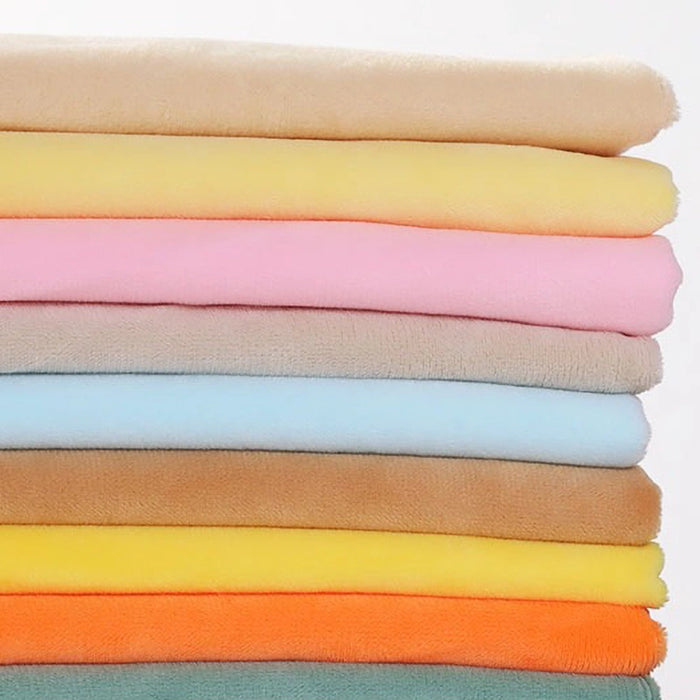
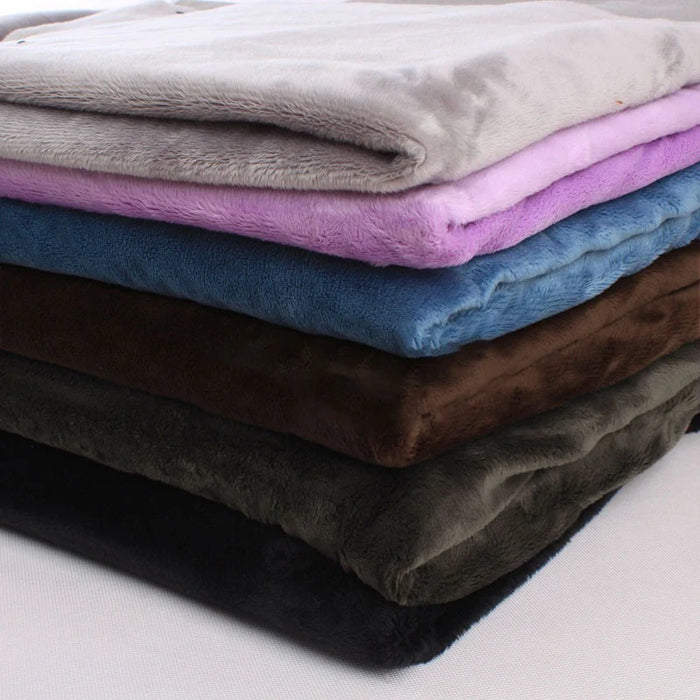
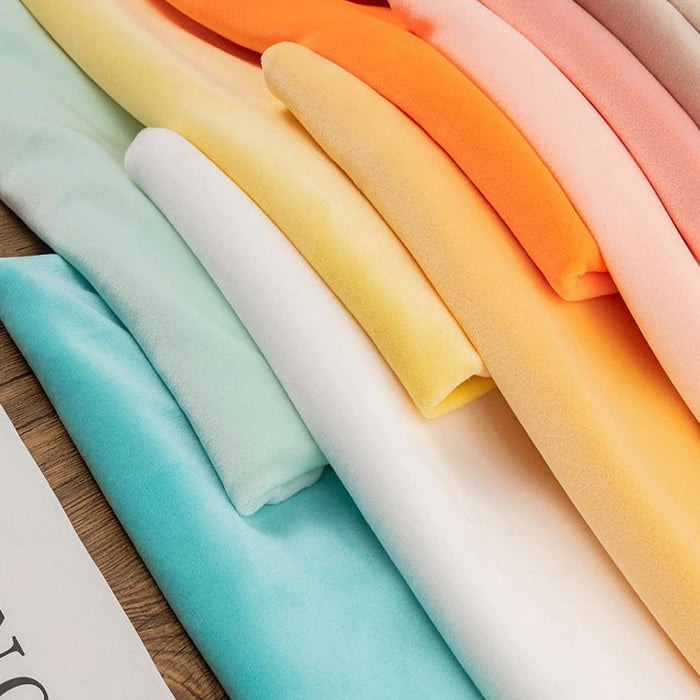
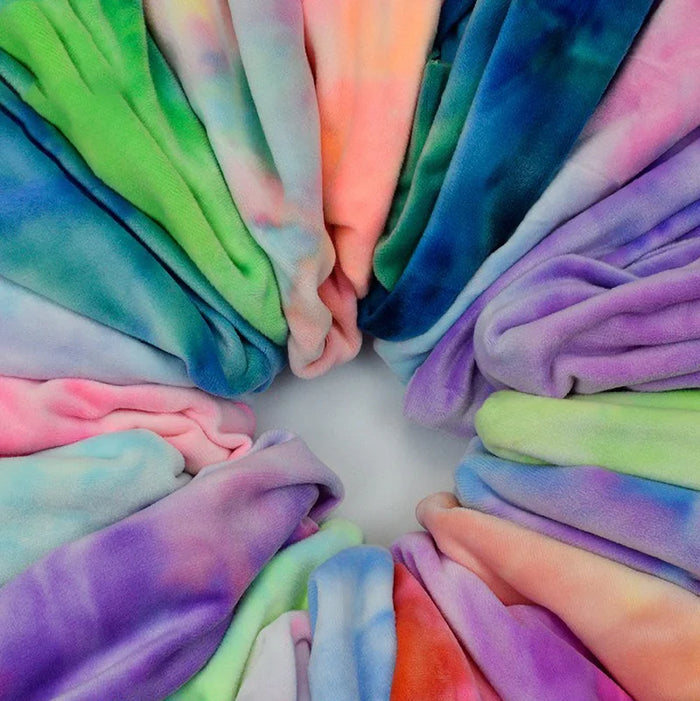
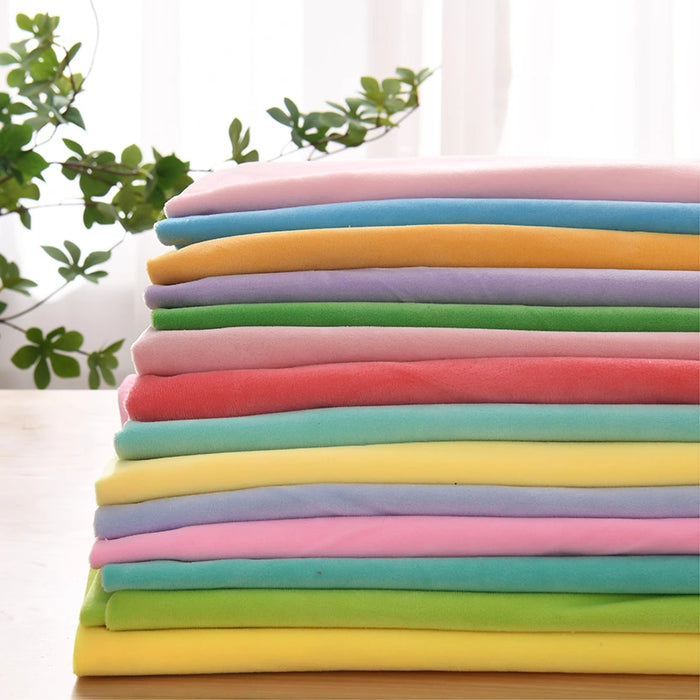
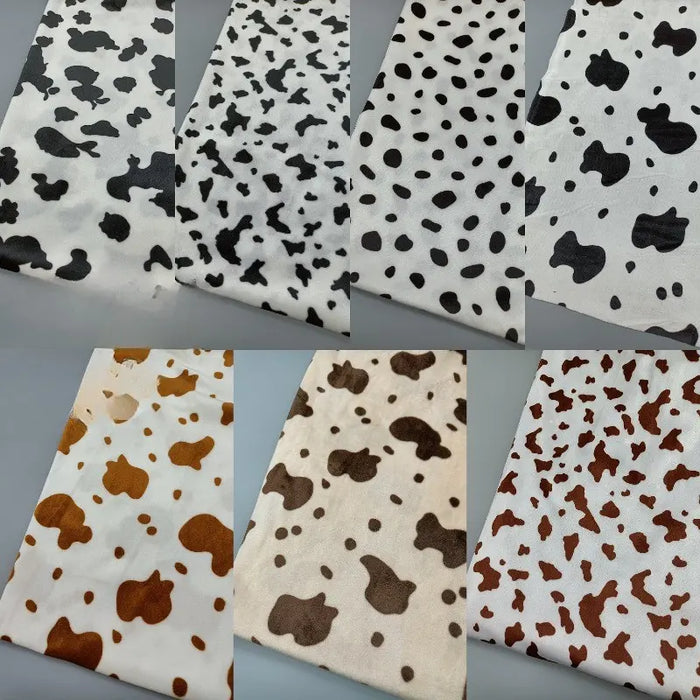
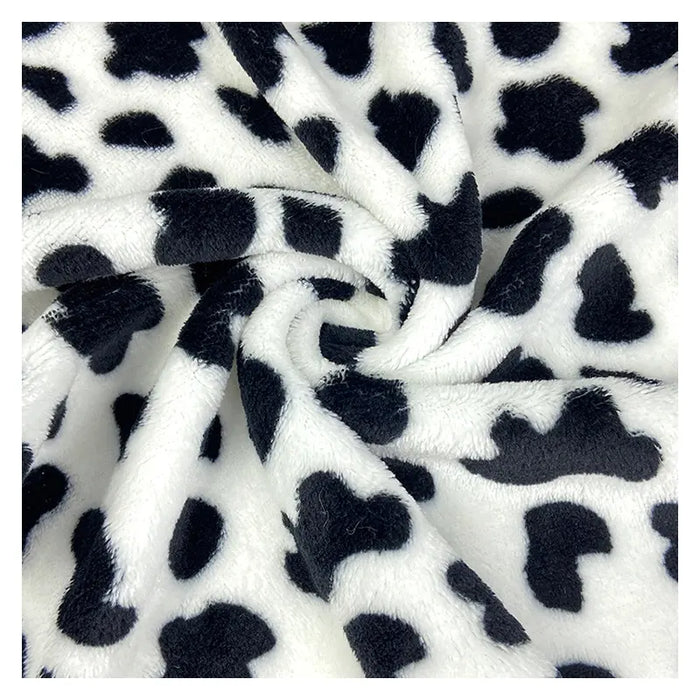
- Color and print choices: available in solids, pastels, brights, and custom prints to match any design palette.
- Durable construction: high-quality weaving and pile density ensure long-term resilience in blankets and plush toys.
- Safety and comfort: polyester construction dries quickly and remains soft after repeated laundering.
Types you’ll want to explore
- Plush minky fabric: the classic choice for maximum fluff and coziness—great for throws and plushies.
- Mochi minky fabric: a denser, slightly firmer finish with a unique silky touch—perfect for luxe baby items and finished gifts.
- Luxe cuddle fabric: has a bit more sheen and drape, lending an elevated look to blankets and scarves.
- Textured or embossed minky fabric: adds tactile interest and visual depth—popular for baby blankets and decorative bedding.
- Stretch minky: ideal when you need a bit of give for fitted covers, clothing, or craft projects requiring more flexibility.
Practical uses — project ideas
- Minky blanket fabric: create ultra-soft baby blankets, stroller covers, or lap throws that are both cozy and travel-friendly.
- Minky fabric for plushies: sculpt detailed stuffed animals and dolls with a cuddly finish that retains shape.
- Apparel accents: use as trims or linings for hoods, collars, and cuffs to add comfort to jackets and loungewear.
- Home items: cushions, pillow covers, pet beds, and nursery décor benefit from minky’s warm, comforting surface.
- Gifts and accessories: loveys, sleep masks, and comfort wraps make memorable handmade presents.
Sewing tips — how to sew minky fabric
Working with minky fabric is straightforward with a few simple adjustments:
- Use a ballpoint or stretch needle if your fabric has stretch; a universal needle works for non-stretch plush.
- Sew with longer stitch lengths (3.0–3.5 mm) to prevent perforation and maintain pile integrity.
- Use clips instead of pins to avoid leaving holes; pins can compress the pile.
- Consider walking foot or a Teflon foot to help layers feed evenly through the machine.
- When cutting, place the fabric pile-side down and use a rotary cutter for clean edges.
- Finish seams with a serger or a narrow zigzag to prevent fraying on less dense varieties.
- If you need to hide seams, topstitch gently through the seam allowance to flatten with minimal pile disruption.
Care and maintenance
- Washing: machine wash cold or warm on a gentle cycle; avoid harsh detergents and fabric softeners that can reduce pile loft.
- Drying: tumble dry on low or air dry. High heat can damage the pile or backing.
- Ironing: avoid ironing the pile side. If pressing is necessary, use a low-heat iron on the wrong side with a pressing cloth and minimal steam.
Buying guide — how to choose the right minky
- Consider pile length: shorter piles lay flatter and are easier to sew; longer piles are plusher for maximal snuggle factor.
- Choose texture by project: go for plush minky fabric for stuffed animals and throws; pick mochi minky fabric or luxe cuddle fabric for upscale baby items and nursery pieces.
- Check stretch: stretch minky is better for fitted items; non-stretch is ideal for structured projects.
- Colorfastness: look for high-quality dyes and wash-tested fabric if you need consistent color after laundering.
Frequently asked questions
What is minky fabric best used for?
Blankets, baby items, plush toys, home décor, and clothing accents are the most popular uses.
Is minky fabric double-sided?
Some kinds are; many have a backing. Check product details if you need double-sided pile.
Can you iron minky fabric?
Direct ironing on the pile is not recommended. Press from the wrong side with a cloth, or use low steam at a distance.
Final thoughts — make cozy creations with minky fabric
Whether you’re making a signature baby blanket, cuddly plushies, or luxe home accents, minky fabric delivers unmatched softness, reliable performance, and designer-ready finishes. From plush minky fabric to mochi minky fabric and luxe cuddle fabric, the range of textures and weights makes it a versatile staple for any sewing stash. Choose quality, pick the right texture for your project, and enjoy crafting pieces that beg to be touched—and treasured.