Why Choose Organza: A Complete Guide to Luxurious, Lightweight Fabric
Organza fabric is a timeless favorite for designers, brides, and home décor enthusiasts who want airy elegance with structural poise. Lightweight yet crisp, organza balances transparency and body, making it perfect for layered gowns, dramatic sleeves, veils, and refined decorative accents. Whether you’re searching for a couture look or an affordable alternative for event styling, understanding what organza material fabric offers and the variations available helps you choose the right material for your project.
What is organza fabric?
At its core, organza fabric is a sheer, plain‑weave textile known for its fine, lightweight hand and a slightly stiff drape. Historically made from silk, modern organza now includes synthetic versions and blends. Its characteristic crispness comes from tightly twisted yarns and a balanced weave that gives the fabric a translucent surface with a subtle sheen. This unique combination of sheerness and body makes organza ideal when you want visual lightness without sacrificing structural form.
What is organza fabric made of?
Organza can be made from several fibers:
- Natural fibers: natural fiber organza fabric typically refers to silk organza, prized for its luxurious feel, soft luster, and superior drape.
- Synthetic fibers: Polyester and nylon organza provide more affordability, greater durability, and easier care while retaining the fabric’s signature crispness.
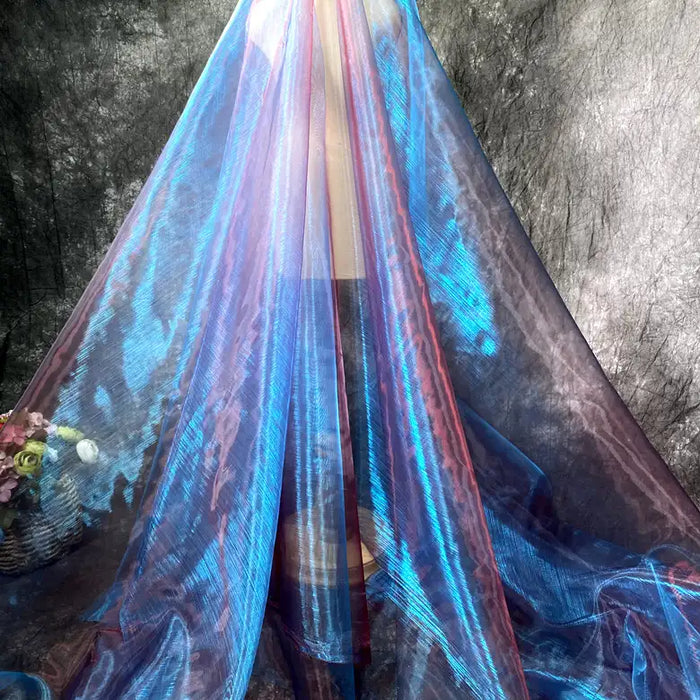
- Blends and specialty finishes: Some organzas combine fibers or receive treatments (e.g., iridescent finishes, stiffeners) to modify sheen, hand, and body.
Popular types of organza fabric
Organza comes in many styles to suit different design needs. Knowing the types helps you match the right organza to your intended use:
- Silk organza fabric: The premium, natural option. Lightweight, breathable, with a soft glow and delicate hand—ideal for bridal gowns and luxury pieces.
- Polyester organza fabric: Cost‑effective and resilient, a favorite for event decor, fashion collections on a budget, and projects requiring frequent handling.
- Liquid organza fabric: A newer finish that offers a softer, fluid appearance while keeping some structure—often used in eveningwear that needs motion as well as shape.
- Cotton organza fabric: Less common but valued for breathability and a unique matte look; works well for summer garments and casual overlays.
- Satin organza fabric: Combines organza’s shear with a satin weave or finish for extra sheen—great for dramatic formalwear.
- Chiffon organza fabric: A lighter, softer cousin; chiffon is more flowing, while organza retains more body. Blends or hybrid names may appear to describe fabrics with mixed qualities.
- Embroidery organza fabric: Embellished with stitched motifs for ornate gowns and couture detailing.
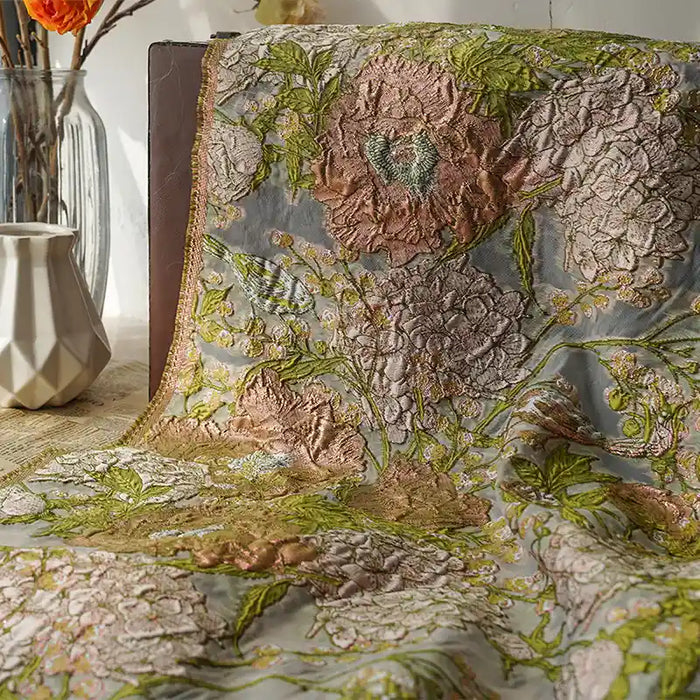
- Jacquard organza fabric: Woven patterns built into the fabric for textured, structural interest.
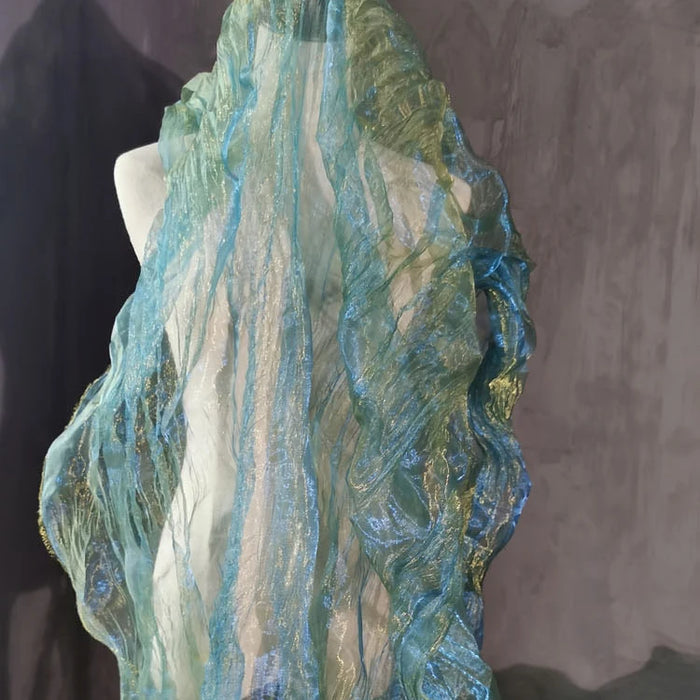
- Crinkle organza fabric: Textured through finishing processes to add depth and volume without extra layers.
Key features and benefits
- Structure without weight: organza fabric supports sculptural design—ruffles, pleats, puffed sleeves, and full skirts—without heavy underpinnings.
- Sheer luminosity: Light passes through organza, creating layered looks, soft shadows, and ethereal veils with a refined glow.
- Versatility: From bridal and eveningwear to table overlays and drapery, organza adapts across fashion and home décor.
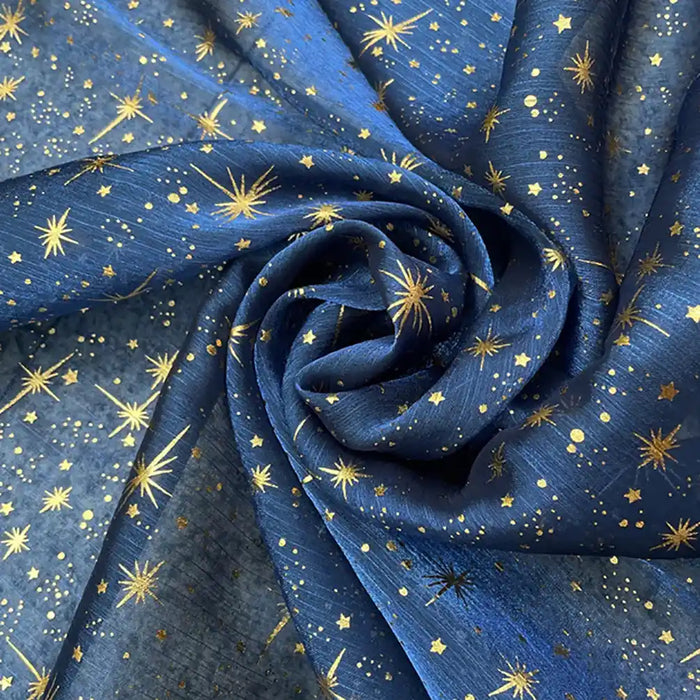
- Range of finishes: Choose between matte, glossy (crystal organza), iridescent, embroidered, or stiffened variants depending on the desired visual effect.
- Fiber options: Select silk for luxury, polyester for practicality, or specialty blends for a tailored balance of cost, care, and performance.
How to sew organza fabric: practical tips
Working with organza requires care because of its sheerness and crisp hand. Follow these guidelines:
- Use sharp, fine needles (size 60/8 to 70/10) to avoid snagging.
- Choose fine polyester or silk thread to blend with the fabric’s weight.
- Stabilize edges: Use tissue paper or water‑soluble stabilizer under the fabric while stitching to prevent puckering and shifting.
- Low tension and short stitch length help produce cleaner seams.
- Finish seams with French seams or narrow rolled hems to keep edges neat and delicate.
- Press gently using a low heat setting and a pressing cloth to protect the surface sheen.
- For pattern placement, pin sparingly and use fine silk pins to minimize visible holes.
Design and application ideas
- Bridal and eveningwear: Layered skirts, illusion bodices, chapel‑length veils, and structured overskirts benefit from the interplay of transparency and form that organza fabric delivers.
- Couture details: Use embroidered or jacquard organza for panels, appliqué backgrounds, or three‑dimensional florals.
- Home décor: Sheer curtains, decorative table overlays, chair bows, and lamp shades can gain a refined look from organza’s light filtering properties.
- Cost-effective event styling: Polyester organza offers the same visual impact as silk at a fraction of the cost—perfect for temporary installations and event decor.
Care and maintenance
- Silk organza should generally be dry‑cleaned, while polyester organza can often be hand washed in cool water and air‑dried.
- Always test a small swatch before washing or applying steam.
- Store flat or gently rolled to avoid permanent creases; if pressed, use a low‑heat iron and a pressing cloth.
Choosing the right organza for your project
Consider these decision points:
- Desired look: For high luster and luxury, choose silk organza material; for durability and budget, opt for polyester.
- Structural needs: If you need more body (ball gowns, structured sleeves), select a heavier organza or a stiffer finish. For flowing overlays, lighter and softer liquid organza options may work better.
- Embellishment plans: For heavy embroidery or beading, pick a stronger weave or support the fabric with a lining to prevent distortion.
- Care expectations: For wearable pieces requiring frequent cleaning, polyester or blends will be easier to maintain.
Frequently asked questions
What is organza fabric best used for?
Bridal gowns, veils, eveningwear, couture detailing, and elegant home décor are the most common uses.
How does organza differ from chiffon or tulle?
Chiffon is softer and more fluid; tulle is netted and lightweight. Organza fabric sits between them—sheer like both but with more structure than chiffon and a smoother surface than tulle.
Can you sew heavy embellishment on organza?
Yes, but reinforce the area or use a lining to support beads and dense embroidery.
Is silk organza worth it?
For high‑end garments and heirloom pieces, silk organza’s natural luster and drape make it worthwhile. For everyday or large‑scale event use, polyester organza offers practicality.
Final thoughts
For designers and makers who want an elegant balance of transparency and structure, organza fabric remains a go‑to choice. From the refined shimmer of silk organza fabric to the practical reliability of polyester organza fabric, this material offers countless options—plain, crystal, embroidered, jacquard, or crinkled—to suit every aesthetic. Learning the nuances of fiber content, finish, and sewing technique empowers you to select the best organza for your project, whether you’re crafting a bridal gown, a statement evening dress, or sophisticated home décor. Embrace the versatility of organza fabric to add luminous layers, sculptural volume, and delicate refinement to your next creation.