

You're about to discover how to transform your fabric scraps into aromatic sachets that'll freshen drawers, closets, and living spaces. These handcrafted pouches combine the practicality of recycling with the luxury of customized scents, making them perfect as gifts or personal indulgences. While the basic process is straightforward, there are several creative techniques and scent combinations that can elevate your sachets from simple cloth pouches to sophisticated home accessories.
Key Takeaways
- Cut a 20x10cm piece of tightly woven scrap fabric and fold it in half, leaving room for a hanging string.
- Sew the bottom and sides with a 1cm seam allowance, leaving a small opening for turning and filling.
- Fill sachet 2/3 full with dried flowers like lavender, rose petals, or chamomile for fragrance.
- Hand sew the opening closed with small, even stitches to create an invisible finish.
- Add optional decorative elements like ribbons, buttons, or lace trim to personalize your sachet.
Materials Needed
- Scrap fabric: Choose tightly woven cotton, linen, or silk fabric scraps that'll hold your aromatic fillings without leaking.
- A piece of string: You'll need about 8-12 inches of string, ribbon, or heavy-duty thread per sachet. Choose a material that's strong enough to hold your filled sachet without breaking - cotton string or satin ribbon work well.
- Scissors: Sharp fabric scissors are essential for creating professional-looking sachets, as they allow clean cuts through various materials without fraying the edges.
- Dried flowers: When you're ready to fill your fabric sachets, choose flowers that retain their scent well and complement your desired fragrance profile for dresser drawer storage.
How to Make Scented Sachets
You'll begin making your scented sachet by cutting a 20x10cm piece of fabric and folding it in half with a hanging string placed inside the folded edge.
Next, sew the bottom and side edges, turn the fabric right side out, and fill it with dried flowers.
Finally, fold the open edge inward by 1cm and sew it closed to complete your aromatic sachet.
Step 1: Cut a piece of fabric measuring 20x10cm and prepare a hanging string.
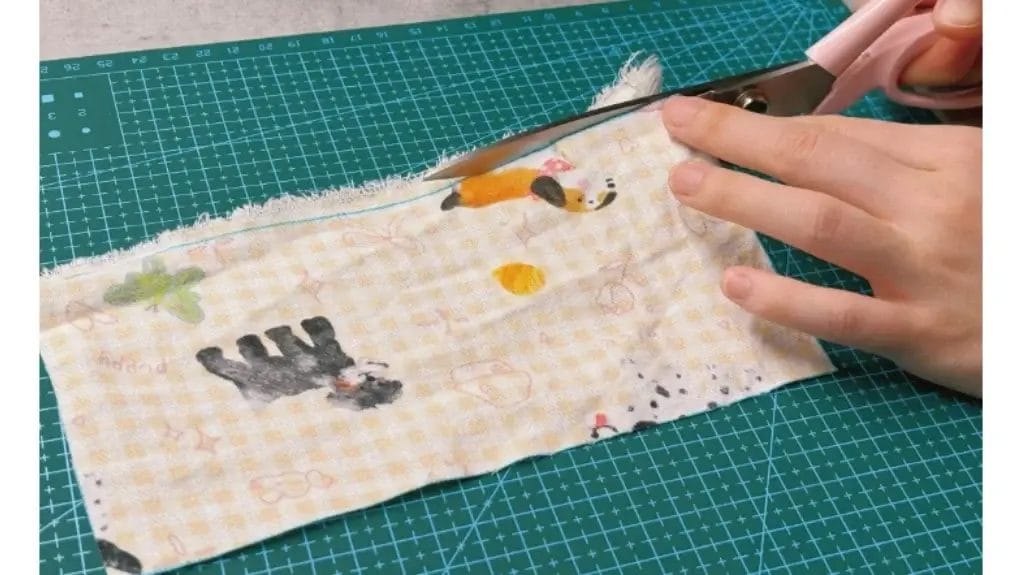
Begin by gathering a piece of your chosen fabric and cutting it into a 20x10cm rectangle using fabric scissors. This simple first step guarantees you'll have the perfect size for your sachet.
For the hanging string, cut a 15cm length of:
- Cotton twine for a rustic look
- Satin ribbon for elegance
- Jute cord for natural appeal
- Grosgrain ribbon for durability
Fold the string in half to create a loop and set it aside.
Make certain your fabric piece has clean, straight edges for easy sewing later. If you're using patterned fabric, align any designs so they'll appear centered on your finished sachet.
Step 2: Fold the fabric in half and place the string inside the folded edge.
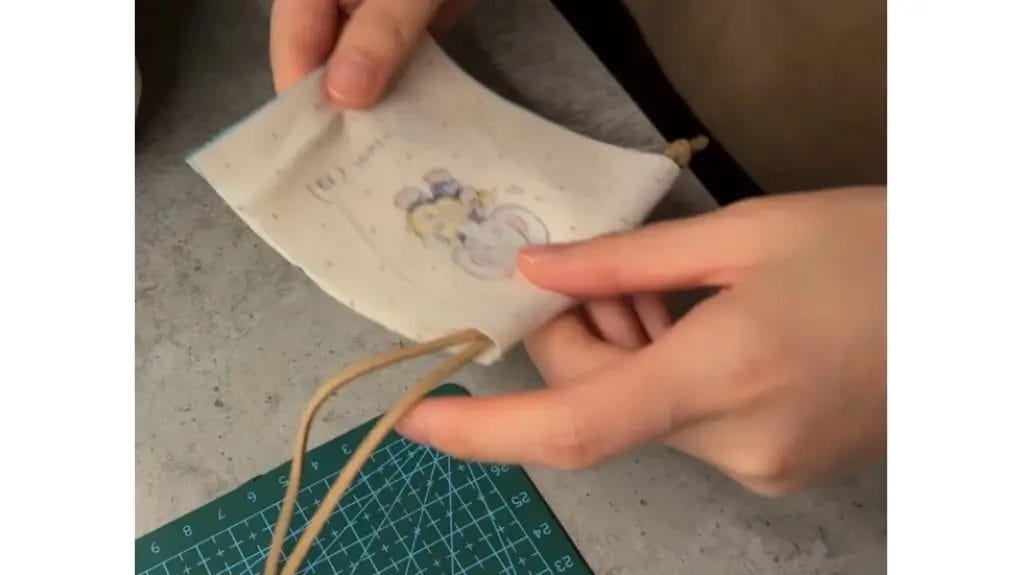
Once you have your fabric and string prepared, fold the 20x10cm rectangle precisely in half with right sides facing inward, creating a 10x10cm square.
Take your string and position it along the folded edge, leaving a 5cm loop extending beyond the fabric's top corner. This loop will serve as your hanging mechanism.
Hold the string in place by pinning it carefully to the folded edge.
Make sure the string lies flat and straight between the fabric pieces together to prevent bunching when you sew.
This step is vital for creating a professional-looking sachet that hangs properly.
Step 3: Sew the bottom and the side edges of the fabric.
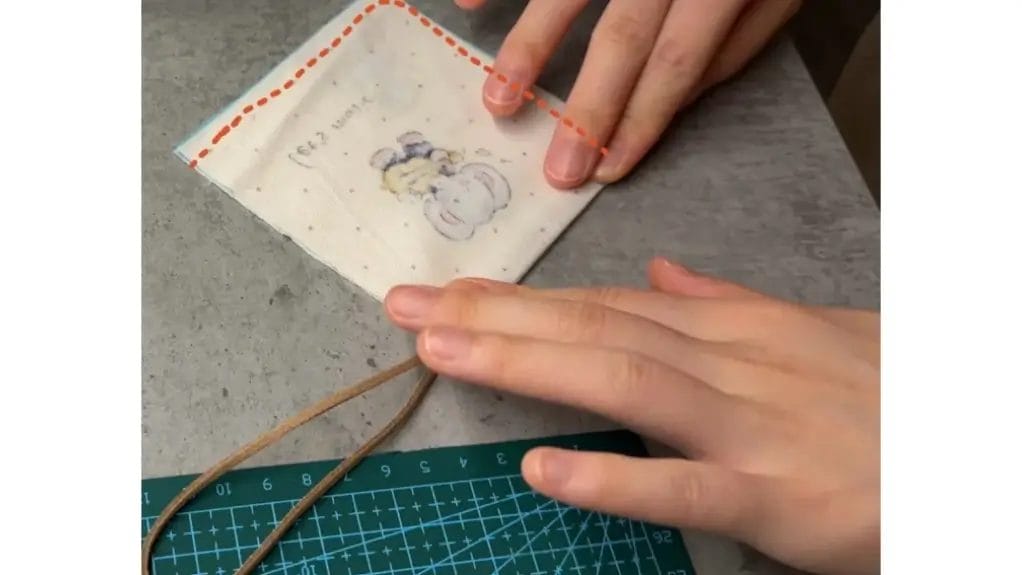
With your fabric folded and string secured in place, sew along the bottom and side edges using a straight stitch set to 2.5mm length, leaving a 1cm seam allowance.
Place the right sides together, ensuring both pieces are facing each other correctly.
- Check that your seams are straight and even as you sew.
- Backstitch at the beginning and end to secure the stitches.
Your sachet is now ready for filling with fragrant herbs.
Step 4: Turn the fabric right side out and fill it with dried flowers.
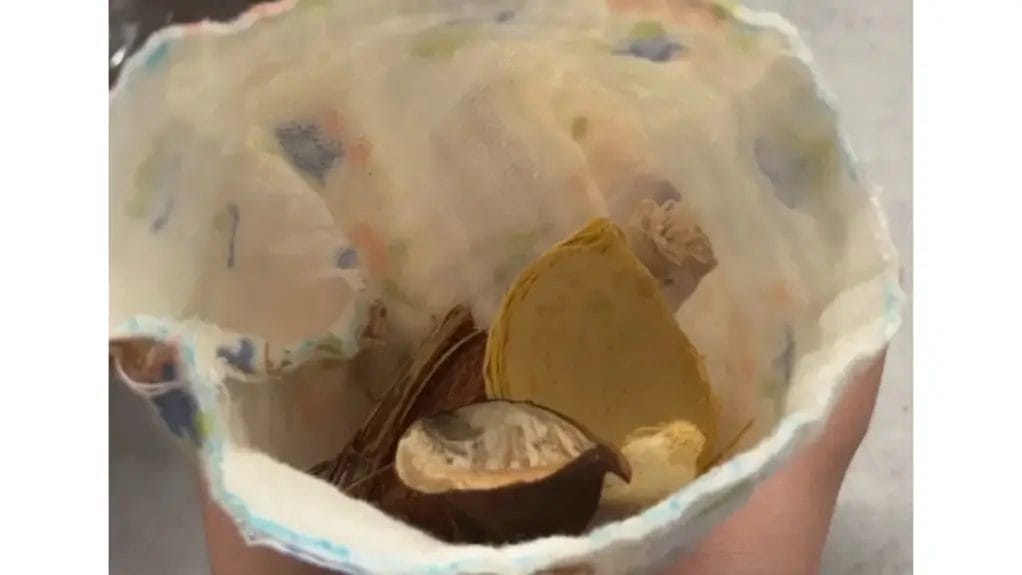
Carefully push the sachet material through the opening, making sure to gently work out all corners using a chopstick or blunt pencil. Smooth out any wrinkles and press the fabric flat with your fingers.
Mix your dried flowers and herbs before filling the sachet.
You'll want to stuff the pouch firmly but not too tightly - about 2/3 full works best.
Push small amounts of the dry mixture through the opening, using your fingers to spread it evenly. Fill corners first, then work toward the center. Leave enough space at the opening to sew it closed in the next step.
Step 5: Fold the open edge inward by 1 cm and sew it closed.
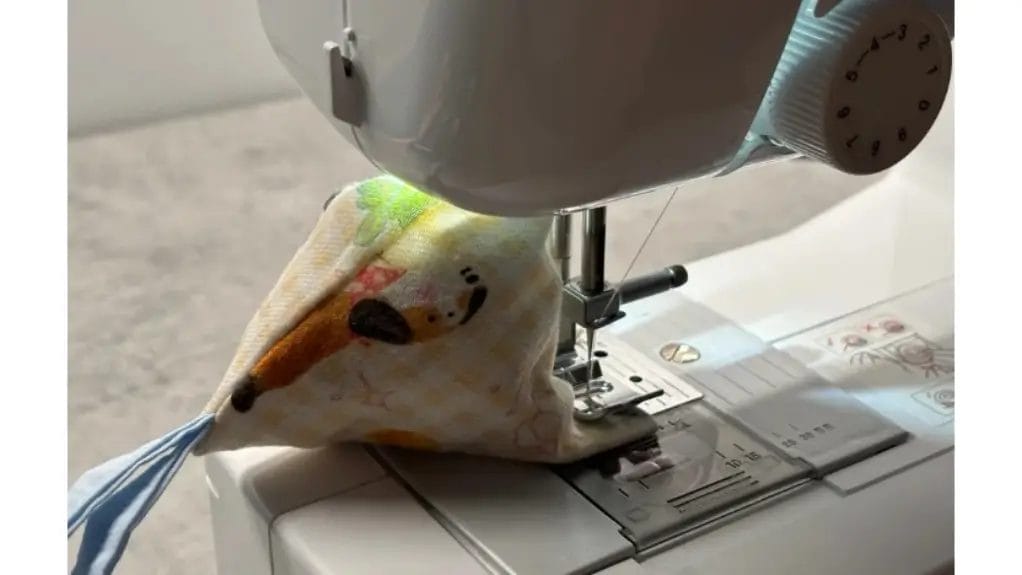
Now that your sachet is filled, fold both raw edges of the opening inward by 1 centimeter to create a clean, hidden seam.
Use your fingers to carefully press the fold flat and guarantee even edges at the top.
- Pin the folded edges together to hold them in place while you sew.
- Choose a needle and thread that matches your fabric color.
- Start sewing from one corner using small, even stitches.
- Hand sew along the fold using a slip stitch to create an invisible seam.
If you're just learning how to sew, take your time with this step to guarantee a professional-looking closure that will keep your sachet's contents secure.
Tips for Personalization
You'll find endless possibilities to personalize your sachets by adding decorative touches like ribbons, buttons, or delicate lace trim along the edges.
Consider selecting fabrics that hold special meaning, such as vintage handkerchiefs, repurposed linens from family heirlooms, or textiles with patterns that complement your home's decor.
For a truly distinctive look, you can incorporate monograms, hand embroidery, or small charms that reflect your personal style or match the intended recipient's taste.
Adding Embellishments
Adding personal touches to your sachets transforms them from simple scented pouches into cherished decorative pieces.
To make your sachets extra special, add these pretty embellishments for a fun, personalized touch:
- Pin vintage buttons, ribbons, or lace trim along the edges for classic charm.
- Crochet delicate flowers or small appliques to sew onto the front.
- Attach decorative beads, sequins, or pearls in eye-catching patterns.
- Hand-embroider names, dates, or simple designs using colorful threads.
Choose embellishments that complement your fabric and match the sachet's intended purpose.
Just be sure to secure all decorative elements firmly so they'll stay beautiful through regular handling and use.
Choosing Unique Fabrics
Selecting the right fabric for your sachets can dramatically influence their visual appeal and functionality. When choosing fabrics for your DIY project, consider using vintage handkerchiefs, silk remnants, or delicate lace pieces from your scrap fabric collection.
Look for materials that are tightly woven to prevent filling from leaking but still allow scent to permeate.
You'll want to choose available fabrics that complement your home's decor. Consider repurposing old cotton shirts, worn linens, or even decorative tea towels.
For a craft that stands out, mix different textures and patterns, like pairing smooth satin with textured brocade.
Frequently Asked Questions
How Long Do Homemade Scented Sachets Typically Last Before Losing Their Fragrance?
You'll get 3-6 months of fragrance from your sachets, though you can extend this by revitalizing them with essential oils or storing them in airtight containers when you're not using them.
Can Sachets Be Washed or Refreshed When the Scent Starts Fading?
You can't wash sachets, but you'll easily refresh them by gently squeezing to release more fragrance. Add 2-3 drops of essential oil directly onto the filling to revive a fading scent.
What Are the Best Storage Conditions to Preserve Sachet Freshness?
Store your sachets in a cool, dark place away from direct sunlight and moisture. You'll want to keep them in airtight containers or plastic bags when not in use to maintain fragrance strength.
Are There Specific Fabrics That Hold Scents Better Than Others?
Natural fabrics like cotton, linen, and silk hold scents best because they're breathable and porous. You'll want to avoid synthetic materials that can trap moisture and inhibit fragrance diffusion.
Can Essential Oils Stain Certain Types of Fabric Used for Sachets?
Yes, essential oils can stain your fabrics. You'll want to avoid using silk, satin, and light-colored materials. Darker cotton, linen, and muslin are your safest options for oil-based scents.
Conclusion
You'll find these handmade sachets are perfect for freshening drawers, closets, and linens. By selecting tightly woven fabrics and securing all seams properly, you've created a lasting aromatic sachet that won't leak dried flowers. Don't forget to refresh the filling every few months to maintain fragrance. With practice, you'll develop your own signature combinations of fabrics, scents, and decorative elements that make each sachet uniquely yours.
0 comments