

You've likely encountered Lyocell fabric in your wardrobe, perhaps without realizing its innovative origins. As a sustainable textile derived from wood pulp cellulose, Lyocell represents a breakthrough in eco-conscious fiber production. While it's often marketed under the brand name Tencel, this remarkable material combines the comfort of natural fibers with advanced manufacturing technology. Understanding its unique properties and production process will transform how you think about sustainable textiles.
Key Takeaways
- Lyocell is a semi-synthetic fabric made from wood pulp, primarily eucalyptus, oak, and birch, marketed under the brand name Tencel.
- Production uses an eco-friendly closed-loop system that recycles 99% of solvents and water, minimizing environmental impact.
- The fabric offers excellent moisture-wicking, breathability, silk-like texture, and strong stretch recovery while being naturally antibacterial.
- Lyocell requires less water and land than cotton production, biodegrades naturally, and sources materials from sustainably managed forests.
- Care involves cold water washing, air-drying or low heat, and storage away from direct sunlight to prevent fading.
What is Lyocell Fabric?
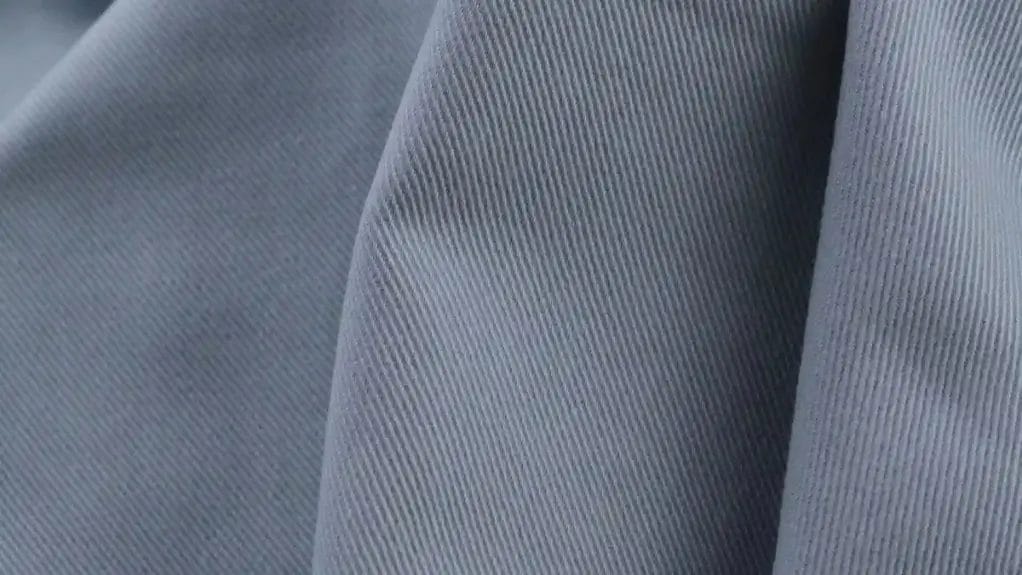
While many people mistake Lyocell for a natural fiber, it's actually a semi-synthetic material derived from wood pulp cellulose, most commonly sourced from eucalyptus, oak, and birch trees.
You'll often find it marketed under the brand name Tencel, which represents the same sustainable textile manufacturing process.
What sets lyocell fabric apart is its innovative production method using a closed-loop system that recycles water and solvents.
The cellulose structure remains largely unchanged during processing, unlike other semi-synthetic fibers. This results in a durable, soft textile that combines the best qualities of natural and synthetic materials.
How is Lyocell Fabric Made?
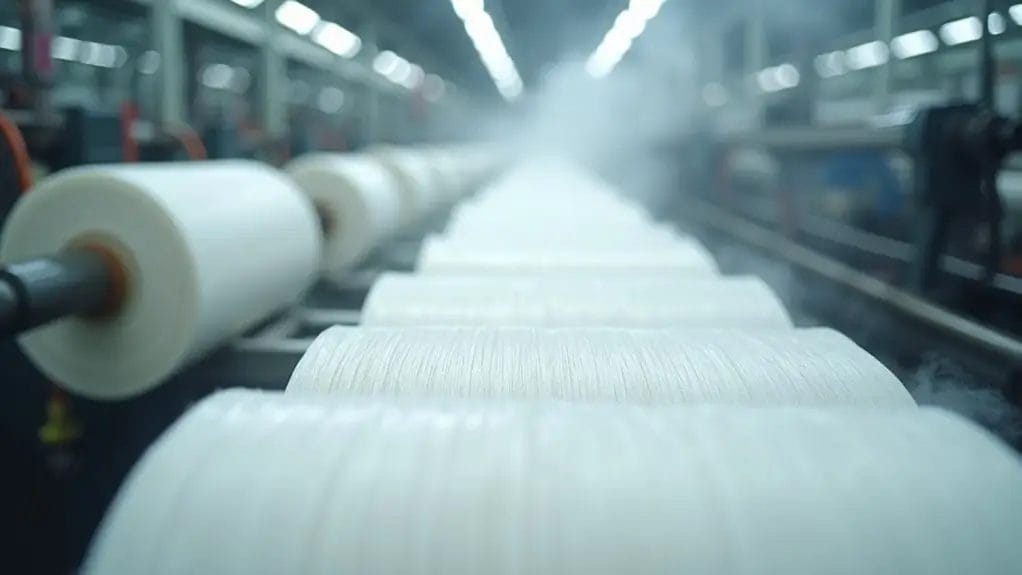
You'll find the transformation of raw wood into Lyocell fabric begins with processing hardwood chips into cellulose pulp through chemical digestion and sanitization.
The purified cellulose then undergoes dissolution in amine oxide solvent, creating a viscous solution that's filtered and forced through spinnerets to form continuous fibers.
These newly formed fibers are immediately immersed in a chemical bath to solidify, followed by thorough washing and drying before being cut to specific lengths and prepared for textile manufacturing.
Raw Material Preparation
The production of lyocell fabric begins with carefully selected hardwood trees, typically eucalyptus, oak, or birch, which are harvested from certified sustainable forests.
These raw materials undergo a precise transformation where the trees are debarked, chipped, and processed into wood pulp through chemical digesters.
You'll find the wood chips are thoroughly washed and sanitized before being dried and rolled into large spools of cellulose pulp.
This careful preparation guarantees the highest quality raw material for the next stage of lyocell production, maintaining both environmental standards and manufacturing efficiency.
Cellulose Dissolution
During cellulose dissolution, manufacturers dissolve purified wood pulp in a non-toxic solvent called N-Methylmorpholine N-oxide (NMMO) under precisely controlled conditions.
This process transforms the cellulose fiber into a clear, viscous solution while maintaining the polymer's structural integrity.
In the closed-loop system, the NMMO solvent is continuously recovered and reused, making the process highly efficient and environmentally responsible.
- You'll appreciate how this non-toxic dissolution method preserves the natural strength of the fibers.
- You can trust that 99% of the solvent is recycled, minimizing environmental impact.
- You'll understand why this revolutionary process sets lyocell apart from traditional rayon production.
Spinning Process
After cellulose dissolution, manufacturers pump the viscous solution through specialized spinnerets containing thousands of microscopic holes, creating continuous filaments that solidify when exposed to air.
In this vital stage of lyocell production, these newly formed fibers enter a washing bath where the solvent is removed. The closed-loop system then recovers and purifies 99% of the solvent for reuse.
The fibers undergo stretching to align their molecular structure, enhancing strength and uniformity. As they spin into their final form, manufacturers apply a light finish to improve handling and reduce static electricity.
Fiber Regeneration
Within lyocell's regeneration process, dissolved cellulose molecules realign themselves into new fiber structures as they emerge from the spinneret bath.
During regeneration, the wood pulp solution transforms into strong, eco-friendly fibers when it contacts the precipitation bath. The process creates a highly organized crystalline structure that gives lyocell its remarkable strength and durability.
- You'll witness nature's transformation as wood becomes luxuriously soft fibers.
- You're participating in sustainable innovation with every fiber that's regenerated.
- You're helping preserve our planet through this closed-loop manufacturing miracle.
The precise control of temperature, pressure, and chemical conditions during regeneration determines the final fiber properties, ensuring consistent quality throughout production.
Washing and Drying
Once the regenerated fibers emerge from the precipitation bath, they undergo thorough washing to remove any remaining traces of solvent.
You'll find that proper washing techniques are essential for maintaining Lyocell's durability and structural integrity. The fibers are subjected to multiple washing cycles using specialized equipment that guarantees complete solvent removal without compromising fiber strength.
After washing, the fibers move through controlled air drying chambers where temperature and humidity are precisely regulated.
This careful drying process prevents fiber damage and maintains ideal tensile strength. The dried fibers are then ready for further processing into yarns and fabrics.
Fiber Finishing
The final stage of Lyocell fiber production involves specialized finishing treatments that enhance the material's performance characteristics. During this process, you'll find that lyocell fibers undergo precise mechanical and chemical treatments to achieve specific properties that set them apart from other synthetic fibers.
The finishing includes cross-linking agents and softeners that improve the fabric's durability while maintaining its eco-friendly benefits.
- Surface modification techniques create a silky-smooth texture that you'll love against your skin.
- Enzymatic treatments reduce fiber fibrillation, preventing the dreaded pilling effect.
- Special finishes enhance moisture management, making the fabric more comfortable in any weather.
Different Types of Lyocell Fabric
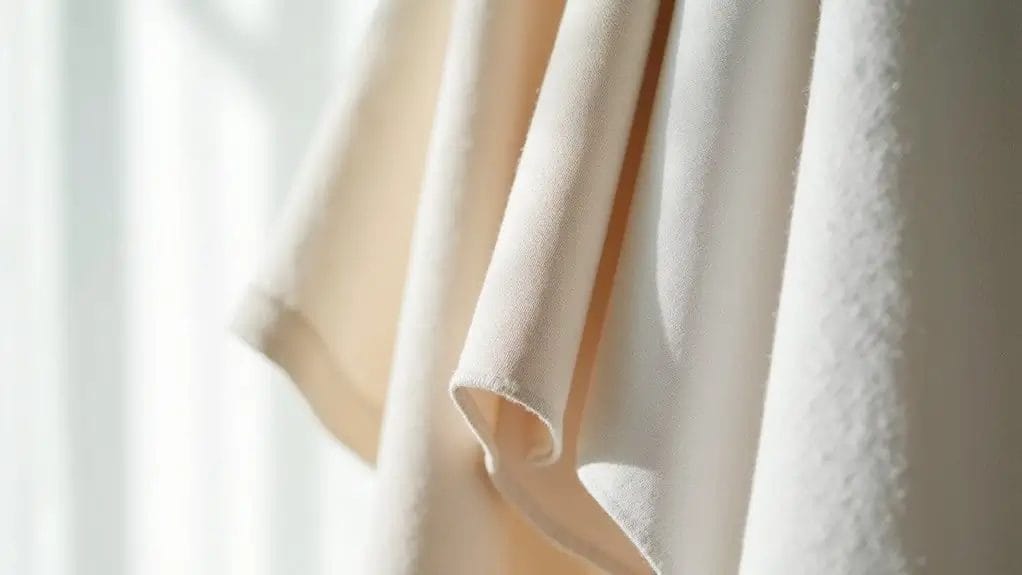
You'll find Lyocell fabric available in two main categories: pure Lyocell and blended variations that combine Lyocell fibers with cotton, wool, silk, or synthetic materials.
The weave structure further differentiates Lyocell fabrics, with options including plain weave, twill weave, and jersey knit constructions, each offering distinct performance characteristics.
Surface treatments and finishing processes create additional variants, from brushed Lyocell for enhanced softness to mercerized versions for increased luster and strength.
Variations Based on Fiber Blends
Manufacturers commonly blend Lyocell fibers with other textiles to enhance specific performance characteristics and create unique fabric properties.
When blended with other fibers, Lyocell adds its signature moisture-wicking abilities and sustainable textile qualities while borrowing strengths from similar fabrics. These hybrid compositions create versatile materials suited for diverse applications.
- Cotton-Lyocell blends offer enhanced breathability and natural comfort while maintaining durability.
- Polyester-Lyocell combinations provide superior strength and quick-drying properties for activewear.
- Wool-Lyocell mixtures deliver temperature regulation and anti-microbial benefits with reduced itching.
These strategic combinations optimize fabric performance while maintaining Lyocell's eco-friendly characteristics, giving you the best of both worlds.
Types Based on Weave and Finish
Beyond fiber blending, Lyocell's versatility extends into distinct fabric types through specialized weaving techniques and finishing processes.
You'll find breathable jersey knits perfect for activewear and casual clothing, while twill weaves create durable fabrics like denim alternatives.
Satin weaves produce lustrous, silk-like materials ideal for luxury garments and bedding. Sustainable finishing treatments can enhance specific properties - from wrinkle resistance to moisture-wicking capabilities.
Brushed Lyocell offers a peach-skin texture, while mercerized versions provide enhanced sheen. Each weave and finish combination creates unique characteristics while maintaining Lyocell's inherent comfort and eco-friendly properties.
Key Characteristics of Lyocell Fabric
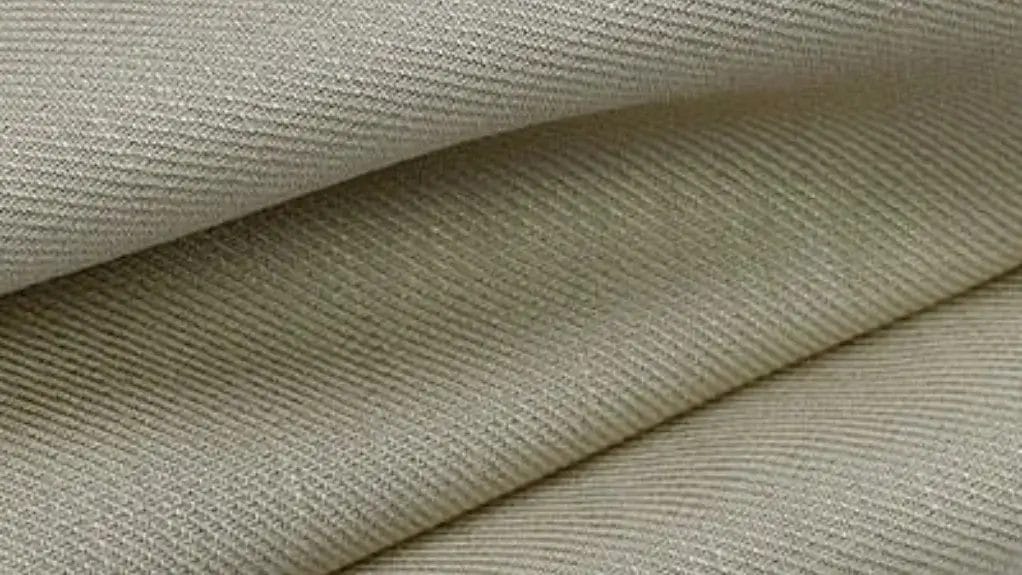
When you examine Lyocell fabric's core characteristics, you'll find exceptional moisture-wicking abilities paired with natural breathability that actively regulates temperature.
The fabric's cellulose structure creates an incredibly soft, silk-like texture while maintaining strong stretch recovery and flexibility during wear.
Lyocell's unique fiber formation process results in remarkable tensile strength and durability, allowing the fabric to withstand repeated washing while maintaining its structural integrity.
Breathability and Moisture Management
Thanks to its unique fiber structure, Lyocell demonstrates exceptional breathability and moisture management properties that surpass most natural and synthetic textiles.
When you wear Lyocell, its nano-fibrils actively transport moisture away from your skin through microscopic channels within the fiber matrix, dispersing it across the fabric's surface for rapid evaporation.
- You'll experience superior comfort as Lyocell absorbs up to 50% more moisture than cotton while maintaining a dry feel against your skin.
- Your garments will stay fresh longer due to Lyocell's natural moisture-wicking properties that inhibit bacterial growth.
- You're choosing an eco-friendly option that keeps you cool and dry through its advanced fiber technology.
Softness and Smooth Texture
Lyocell's remarkable softness and smooth texture stem from its unique fiber structure, where nano-fibrils align in parallel formations during the spinning process.
You'll notice this exceptional smoothness against your skin because the fibers are uniformly round and consistent in diameter, unlike cotton's irregular structure.
The sustainable cellulose fibers create a surface that's naturally soft without chemical treatments.
When combined with its moisture-wicking properties, these aligned fibers prevent the rough patches and friction points common in other fabrics, maintaining their silky feel even after repeated washing.
The result is a textile that feels luxuriously smooth while remaining durable.
Stretchy Properties and Flexibility
Beyond its smooth texture, the stretchy properties of lyocell fibers enhance its versatility in garment production. The fiber's molecular structure allows for natural elasticity without synthetic additives, creating garments that move with your body while maintaining their shape.
When blended with other materials, lyocell's inherent flexibility contributes to enhanced durability and comfort.
- You'll experience unrestricted movement in lyocell garments, as the fibers stretch and recover without losing their soft feel.
- Your clothes will maintain their original fit, thanks to lyocell's durable and resistant fiber structure.
- You'll appreciate how the fabric adapts to your body's contours while staying breathable and comfortable.
Durability and Strength
Superior tensile strength sets lyocell apart from many natural and synthetic fibers, particularly when the material is wet.
You'll find that lyocell retains about 85% of its strength when damp, making it exceptionally durable for everyday wear. This eco-friendly fabric resists shrinkage and maintains its shape even after multiple washes.
Unlike conventional fabrics that weaken with moisture exposure, lyocell's unique cellulose structure provides enhanced durability in both wet and dry conditions.
The fiber's molecular arrangement, achieved through its specialized production process, results in a textile that's resistant to pilling and capable of withstanding regular use without compromising its integrity.
Benefits of Lyocell Fabric
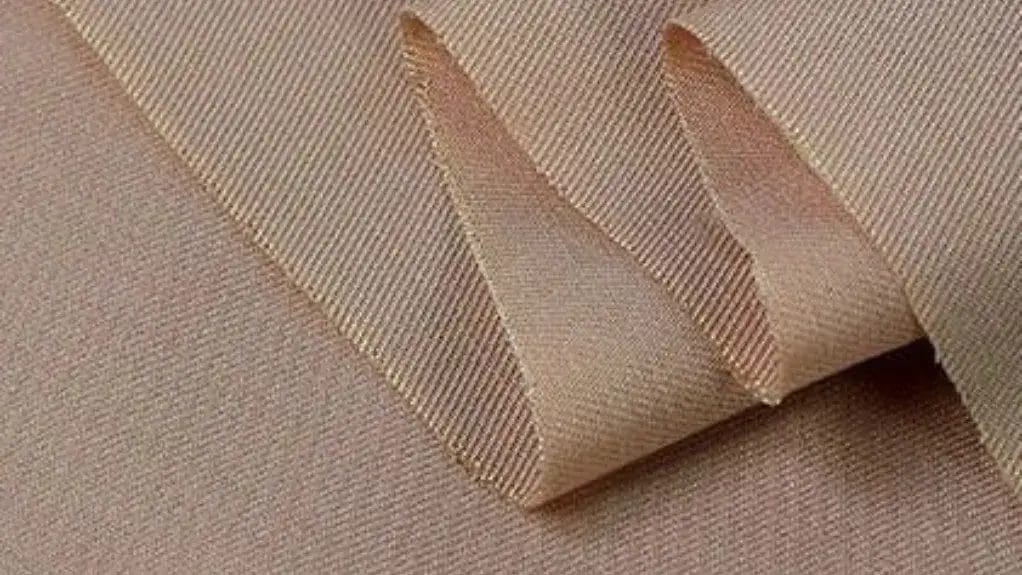
You'll find Lyocell's greatest strengths in its hypoallergenic nature and ability to wick moisture away from your skin while maintaining breathability across diverse climate conditions.
The fiber's closed-loop production process recycles up to 99% of solvents, making it one of the most environmentally responsible textile choices available today.
Its versatile fiber structure allows for applications ranging from soft bedding to performance activewear, with excellent draping qualities that rival natural silk.
Skin-Friendly and Hypoallergenic Properties
Lyocell's natural cellulose structure creates an exceptionally smooth fiber surface that minimizes skin irritation and allergic reactions.
When processed, the fibers maintain their inherent skin-friendly properties while delivering superior moisture management. The hypoallergenic nature of Lyocell makes it particularly suitable for those with sensitive skin conditions.
- You'll experience remarkable comfort as the eco-friendly fibers naturally conform to your skin's surface without causing friction.
- Your skin can breathe freely through the fiber's microscopic channels that regulate moisture and temperature.
- You won't face the common irritations associated with synthetic materials, thanks to Lyocell's pure cellulose composition.
Environmental Benefits of Lyocell Fiber Production
Beyond its gentle touch on skin, the environmental footprint of Lyocell stands as a benchmark for sustainable textile production.
You'll find its closed-loop manufacturing process recycles up to 99% of the non-toxic NMMO solvent used, minimizing waste and environmental impact. The wood pulp comes from sustainably managed forests, requiring less water and land than cotton cultivation.
Unlike traditional rayon production, Lyocell's environmentally friendly process doesn't release harmful chemicals into waterways. The production process also uses less energy than synthetic fiber manufacturing, and the final product is fully biodegradable, ensuring minimal impact throughout its lifecycle.
Versatility in Clothing and Home Textiles
When it comes to textile applications, Lyocell fabric demonstrates remarkable versatility across both clothing and home furnishings.
You'll find this eco-conscious material excelling in everything from lightweight summer dresses to durable bedding. The benefits of lyocell fabric extend beyond its sustainable production, offering superior moisture management and temperature regulation in various applications.
- Transforms into luxuriously soft bedsheets and towels that get softer with each wash.
- Creates breathable, moisture-wicking athletic wear that keeps you comfortable during intense workouts.
- Delivers elegant draping in fashion garments while maintaining structural integrity and shape retention.
Comfort in Different Climates Due to Breathability
The remarkable breathability of Lyocell fabric stems from its unique fiber structure, which actively regulates temperature and moisture across diverse climate conditions.
When you're in humid environments, the eco-friendly fibers absorb excess moisture from your skin, while in dry conditions, they release it back into the air.
This is possible because Lyocell fabric made from wood pulp creates microscopic fibrils that efficiently transport moisture away from your body.
You'll find this natural temperature regulation particularly effective during seasonal changes, keeping you comfortable whether you're dealing with summer heat or winter chill.
How to Sew with Lyocell Fabric
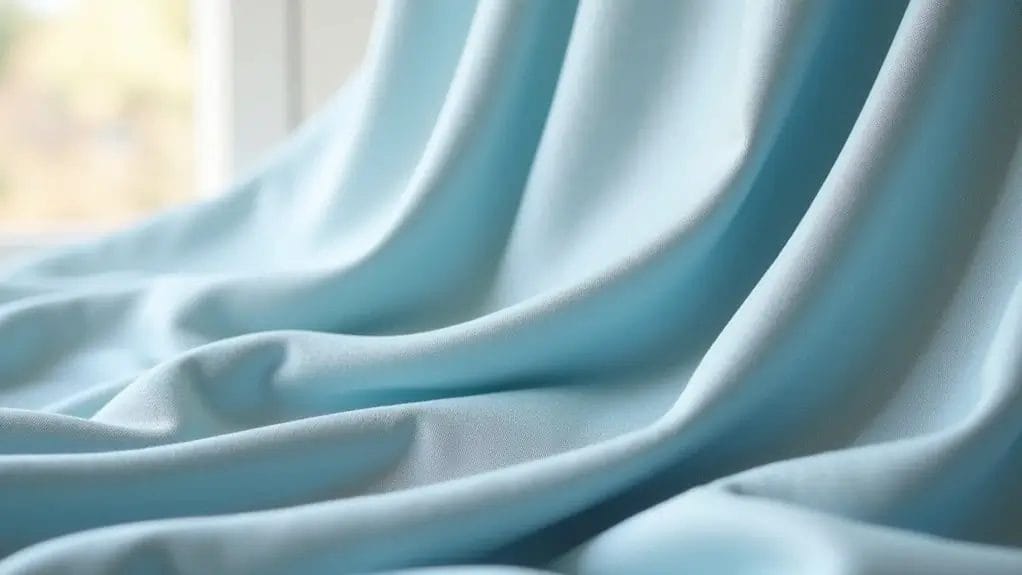
When sewing with Lyocell fabric, you'll need a fine needle (size 60/8 or 70/10) and lightweight polyester thread to prevent damage to the delicate fibers.
You'll want to adjust your machine tension slightly looser than normal and use a shorter stitch length to accommodate Lyocell's natural stretch and draping qualities.
For best results, stabilize seams with tissue paper underneath the fabric and consider French seams or flat-felled seams to prevent fraying and guarantee durability.
Recommended Sewing Techniques for Lyocell Fibers
Successfully sewing with Lyocell fabric requires specific techniques due to its silky texture and tendency to shift during handling.
When working with this synthetic fabric, use a fine needle (size 60/8 or 70/10) and lightweight polyester thread to prevent damage to the fibers. Reduce your machine's tension slightly and adjust stitch length to 1.5-2.0mm for ideal seam strength.
- Test your stitches on scrap Lyocell before starting your garment to verify proper tension and prevent skipped stitches.
- Use tissue paper underneath delicate areas to prevent fabric from being pulled into the feed dogs.
- Pin within the seam allowance to avoid visible holes in your finished project.
Needle and Thread Choices
Selecting appropriate needles and threads stands essential for achieving professional results with Lyocell fabric. When sewing this natural fiber textile, you'll want to use a size 70/10 or 80/12 universal needle for lightweight to medium-weight Lyocell.
Choose all-purpose polyester thread or cotton thread that matches your fabric weight.
For delicate Lyocell pieces, opt for fine needles and lighter weight threads to prevent visible holes. If you're working with Lyocell blends or heavier weights, you can size up to a 90/14 needle.
Always test your needle and thread combination on a fabric scrap before starting your project.
Handling Stretchy and Delicate Features During Sewing
Due to Lyocell's inherent drape and slight stretch, you'll need to stabilize the fabric while sewing to prevent distortion and puckering.
Since lyocell is a semi-synthetic fabric, it requires careful handling during construction. Use a walking foot to feed both layers evenly and prevent shifting.
- Place tissue paper underneath delicate seams to prevent your machine from "eating" this soft-to-touch material.
- Select lightweight interfacing for collars and cuffs to maintain the fabric's natural drape.
- Test tension settings on scraps, as this fabric requires gentle handling similar to its washing needs.
For best results, use a new size 70/10 needle and reduce presser foot pressure.
Common Uses of Lyocell Fabric
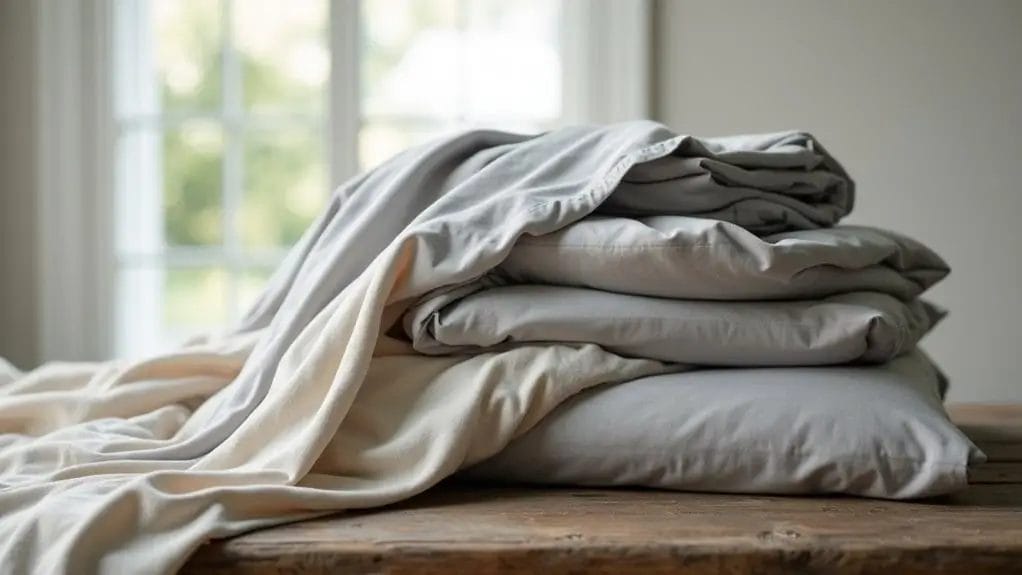
You'll find Lyocell fabric's versatility extends across three main sectors: apparel manufacturing for everyday clothing, activewear, and high-end fashion pieces.
In home textiles, Lyocell's moisture-wicking properties and silky drape make it an excellent choice for bedding, curtains, and upholstery applications.
Beyond consumer goods, Lyocell's exceptional tensile strength and absorbency have secured its place in industrial applications, including medical dressings, specialty papers, and filtration materials.
Apparel: Everyday Wear, Activewear, and Luxury Clothing
Lyocell's exceptional versatility in apparel stems from its unique fiber structure and performance characteristics. You'll find this sustainable fabric excelling in everyday garments, from casual t-shirts to tailored blazers, due to its silk-like drape and breathability.
The fiber's advanced moisture management makes it ideal for activewear, effectively wicking sweat while maintaining shape during intense workouts.
- Luxurious feel against your skin, rivaling high-end natural fibers like silk
- Temperature-regulating properties that keep you comfortable in varying conditions
- Superior moisture control that prevents bacterial growth and maintains freshness
Home Textiles: Bedding, Curtains, and Upholstery
Lyocell's exceptional moisture-wicking properties make it an ideal choice for bed sheets and pillowcases, keeping you cool and comfortable throughout the night.
You'll find this eco-friendly fabric increasingly used in high-end bedding collections, where its silky smoothness rivals Egyptian cotton.
In home furnishings, lyocell's natural drape makes it perfect for curtains, offering both elegance and functionality.
The fabric's durability and resistance to wrinkles also make it suitable for upholstery applications.
When blended with other fibers, it adds strength and moisture management to furniture coverings while maintaining its luxurious feel and sustainable credentials.
Industrial and Specialty Uses
Beyond consumer textiles, industrial applications harness lyocell's remarkable tensile strength and moisture management capabilities.
You'll find this versatile fiber in medical dressings, where its moisture-wicking properties help maintain ideal wound environments. In industrial settings, lyocell's durability makes it ideal for conveyor belts and filtration systems.
- Advanced filtration materials that capture microscopic particles while maintaining airflow.
- Medical-grade wound dressings that promote healing through superior moisture control.
- High-performance technical papers used in specialized industrial applications.
The fiber's unique combination of strength and absorbency continues to drive innovation in specialty sectors, where performance demands exceed traditional textile requirements.
Care and Maintenance of Lyocell Fabric
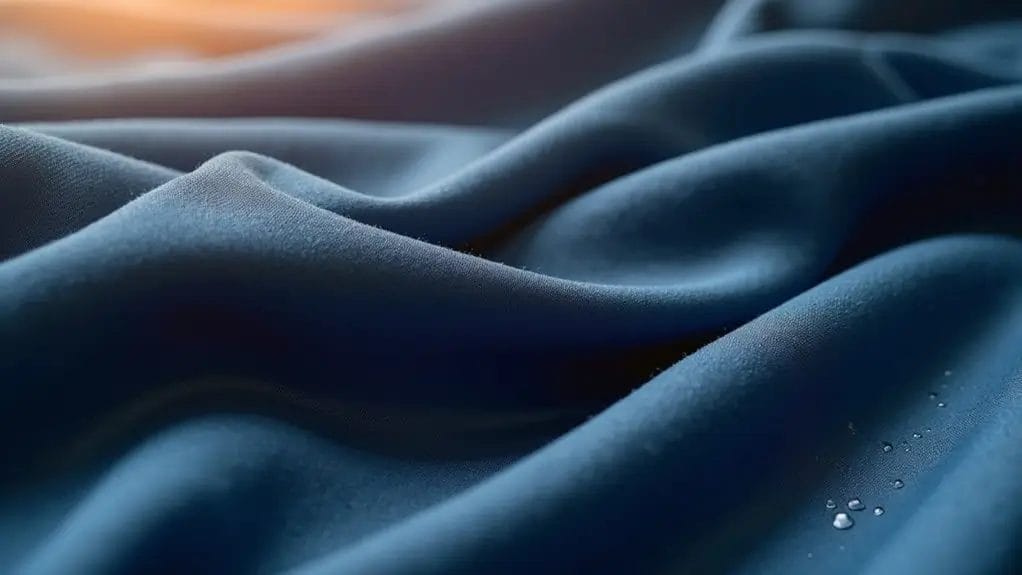
To maintain your Lyocell garments, you'll need to machine wash them in cold water on a gentle cycle with mild detergent and avoid fabric softeners that can coat the fibers.
When drying, opt for air-drying or use your dryer's lowest heat setting to prevent fiber damage and maintain the fabric's natural moisture-wicking properties.
You can iron Lyocell on medium heat while slightly damp, being careful to store the garments flat or hung up in a cool, dry place away from direct sunlight to prevent yellowing and fiber degradation.
Washing and Drying Guidelines to Preserve Fabric Quality
Since Lyocell fibers can become temporarily weakened when wet, proper washing and drying techniques are essential for maintaining the fabric's integrity.
You'll need to wash your Lyocell items in cool water using a gentle cycle and mild detergent to protect the fiber structure. Always separate light and dark colors to prevent dye transfer.
- Turn garments inside out before washing to minimize surface abrasion and reduce pilling.
- Avoid using fabric softeners, which can coat fibers and reduce the material's natural moisture-wicking properties.
- Choose air drying over machine drying to prevent fiber damage and maintain the fabric's dimensional stability.
Ironing Tips and Avoiding Damage
Proper ironing techniques play an essential role in maintaining Lyocell's smooth appearance and structural integrity.
Set your iron to medium heat, similar to the silk setting, and always use steam to prevent fiber damage. While the fabric is still slightly damp, iron on the reverse side to protect its natural sheen.
If wrinkles are stubborn, place a pressing cloth between the iron and fabric. Don't leave the iron in one spot too long, as excessive heat can weaken Lyocell's fibers.
For delicate items, consider using a garment steamer as a gentler alternative to traditional ironing.
Storage Recommendations for Longevity
Three key factors influence the long-term storage of Lyocell garments: light exposure, humidity levels, and folding techniques.
To preserve your Lyocell's integrity, store items in a cool, dry space away from direct sunlight, which can weaken fibers and cause fading. Maintain proper air circulation to prevent moisture buildup that could lead to mildew formation.
- Store Lyocell pieces flat or hung on padded hangers to maintain their natural drape and prevent permanent creasing.
- Use acid-free tissue paper between folds to minimize stress points on the fabric.
- Avoid plastic storage containers that can trap moisture and opt for breathable cotton garment bags.
Frequently Asked Questions
How Does Lyocell Fabric Compare to Bamboo Fabric in Terms of Sustainability?
You'll find lyocell more sustainable than bamboo fabric, as it uses a closed-loop process that recycles 99% of chemicals, while bamboo requires extensive chemical processing and toxic carbon disulfide to break down fibers.
Can Lyocell Fabric Be Safely Used for Baby Clothing and Sensitive Skin?
You'll find lyocell fabric ideal for baby clothing as it's hypoallergenic, non-toxic, and gentle on sensitive skin. Its smooth fibers minimize irritation while offering excellent moisture management and breathability.
Does Lyocell Fabric Shrink After Multiple Washes?
You'll experience minimal shrinkage with lyocell if you wash it in cold water and air dry. The fiber's molecular structure maintains dimensional stability through washing, typically shrinking less than 3%.
What Is the Average Lifespan of Lyocell Fabric Compared to Cotton?
You'll find Lyocell's lifespan matches or exceeds cotton's durability, typically lasting 5-8 years with proper care, due to its higher tensile strength and enhanced fiber structure through solvent spinning.
Are There Any Known Health Concerns Associated With Wearing Lyocell Fabric?
You won't face significant health risks from lyocell fabric. It's hypoallergenic, non-toxic during production, and doesn't trap bacteria like synthetic fibers. The cellulose-based structure is gentle on sensitive skin.
Conclusion
You'll find that Lyocell's unique combination of sustainability and performance makes it a prime choice for modern textiles. The closed-loop manufacturing process, coupled with its cellulosic structure, delivers exceptional moisture management and tensile strength. Whether you're working with standard Lyocell or specialized variants, proper care will maintain its inherent properties. This fiber's versatility and eco-friendly production continue to advance sustainable textile development.
0 comments