

If you've ever wondered about the cozy fabric in your favorite winter shirt, you're thinking about flannel. This versatile textile offers distinctive properties that set it apart from standard woven materials. Through a specialized brushing process, flannel develops its signature soft, napped surface and impressive insulating capabilities. Whether it's crafted from wool, cotton, or synthetic fibers, flannel's unique construction methods and characteristics make it worth understanding in detail.
Key Takeaways
- Flannel is a medium to heavyweight woven fabric with a brushed surface that creates a soft, fuzzy texture on one or both sides.
- Originally made from wool in Wales, flannel now comes in cotton, wool, or synthetic varieties, each offering different benefits and characteristics.
- The fabric undergoes a special brushing process that raises fine fibers, creating its distinctive soft nap and enhanced insulating properties.
- Thread counts typically range from 50-180 per inch, with weights varying from lightweight (4-5 oz) to heavyweight (6-8 oz) per square yard.
- Flannel is versatile for clothing, bedding, and crafting, offering excellent warmth, comfort, and moisture-wicking properties in various applications.
Introduction to Flannel Fabric
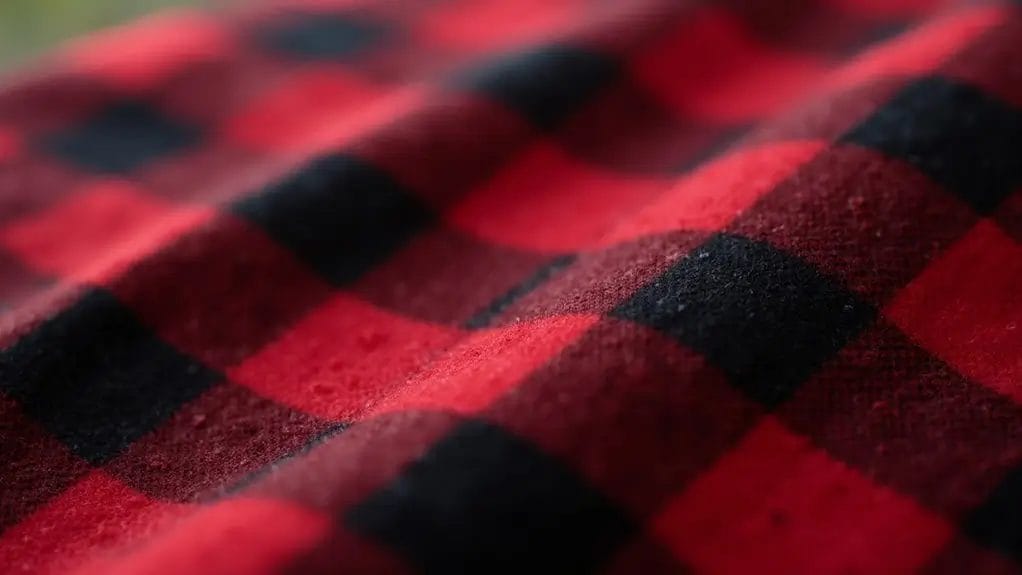
Flannel fabric is a medium to heavyweight woven textile characterized by its brushed surface, which creates a soft nap on one or both sides of the material.
You'll find flannel manufactured from wool, cotton, or synthetic fibers, with each variant offering specific performance characteristics such as moisture-wicking, insulation, and durability.
From traditional plaid shirts to bedding and upholstery, flannel's versatility makes it a practical choice for both apparel and home furnishings where warmth and comfort are essential.
What is Flannel Fabric?
Woven from cotton, wool, or synthetic fibers, flannel is a soft, medium-weight textile that undergoes a unique brushing process to create its signature napped surface texture.
The nap is achieved by brushing the woven fabric mechanically, raising fine fibers to create a fuzzy surface on one or both sides.
You'll find that traditional wool flannel starts with carded wool yarns, while cotton versions rely on looser weave structures.
The soft woven fabric's distinctive characteristics come from this mechanical finishing process, which transforms the flat-woven material into a warmer, more insulating textile with enhanced tactile properties.
Overview of Flannel Uses
Throughout modern textile applications, the versatile nature of flannel fabric spans multiple industries and consumer products.
You'll find this versatile fabric extensively used in cold-weather clothing, particularly in button-down shirts, sleepwear, and layering pieces. The material's insulating properties make it ideal for bedding applications, including sheets, duvet covers, and blankets.
In commercial settings, flannel serves as an essential component in upholstery, protective garments, and industrial wipes.
The fabric's adaptability extends to both lightweight summer options and heavyweight winter variations, making it suitable for year-round use across diverse applications.
History of Flannel Fabric
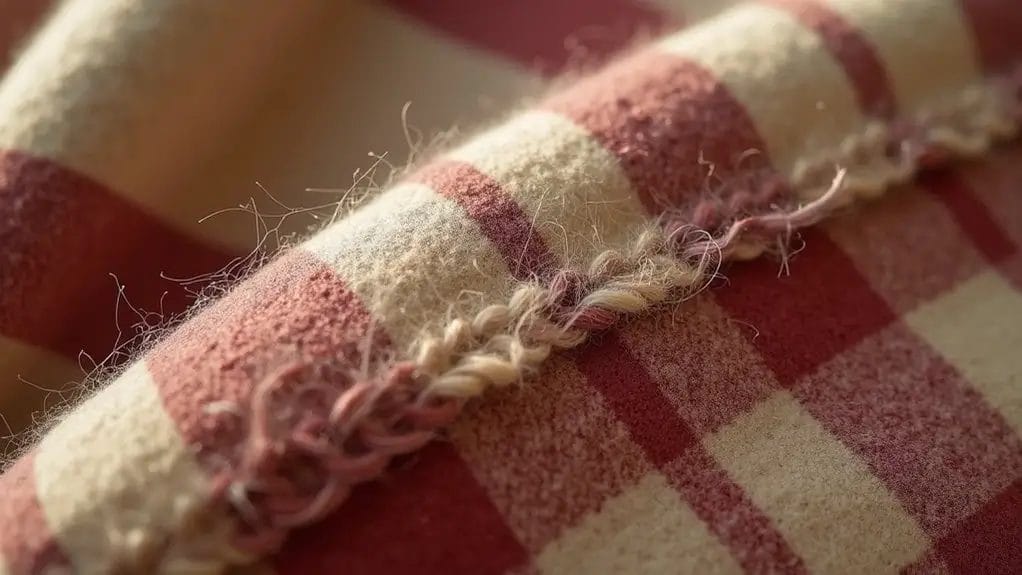
You'll find flannel's origins dating back to 17th century Wales, where farmers and laborers developed the fabric by carding wool fibers to create a warmer, more durable textile.
The fabric's production methods evolved from hand-carding wool to incorporating mechanized processes during the Industrial Revolution, leading to the integration of cotton fibers and mass manufacturing capabilities.
Origins and Evolution of Flannel
The origins of flannel fabric can be traced to 17th century Wales, where farmers and workers first developed this napped wool textile as protection against harsh weather conditions.
Welsh communities originally made flannel from local sheep's wool, processing it through carding, spinning, and weaving. They'd then brush the fabric to create its characteristic soft, fuzzy surface.
As textile manufacturing advanced, you'll find flannel evolved beyond wool to incorporate cotton and synthetic fibers.
The fabric's production techniques expanded from manual processing to mechanical carding and napping, while maintaining its core characteristics of warmth and durability that made Welsh flannel renowned.
History of Flannel Fabric Production
Since its manual beginnings in Wales, flannel fabric production underwent significant industrialization during the late 18th century with the advent of mechanical carding machines and power looms.
You'll find that the history of flannel shows how manufacturers transformed sheep's wool into loosely spun yarn through innovative carding processes.
The wool flannel's distinctive napped surface emerged from repeated brushing of carded wool fibers.
By the 1800s, mills had developed standardized techniques for controlling yarn thickness, weave density, and surface texture.
These mechanical advances helped create the soft, warm fabric you know today.
Characteristics of Flannel Fabric
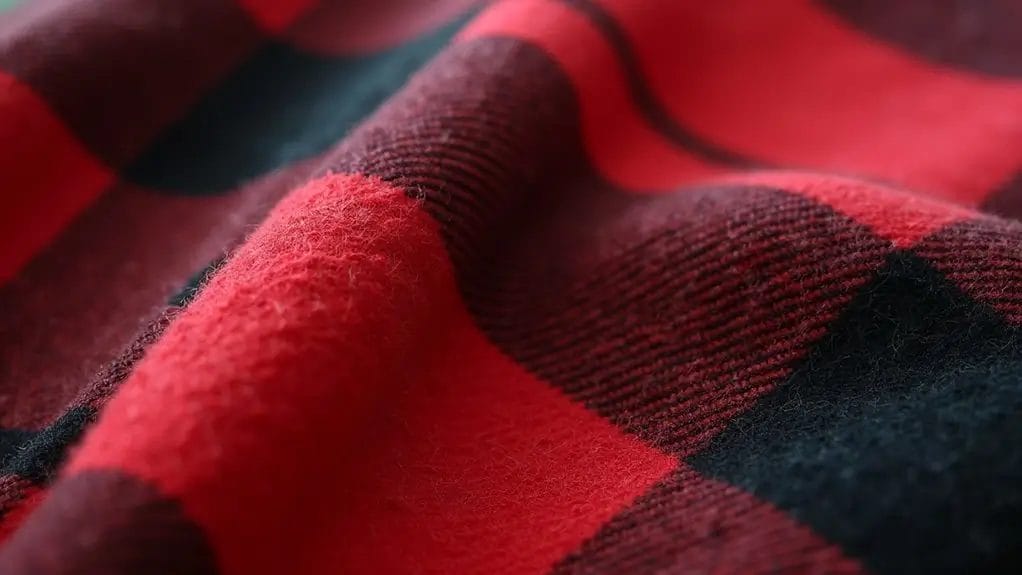
You'll find that flannel's distinctive soft, brushed texture comes from its napped surface, where fibers are mechanically raised and sheared to create a fuzzy finish.
The fabric base typically consists of cotton, wool, or synthetic materials woven in either a plain or twill pattern using medium-weight yarns.
During production, manufacturers employ specialized brushing techniques on one or both sides of the material while maintaining a balanced thread count of 50-100 per inch to achieve ideal durability and warmth retention.
Texture and Feel of Flannel
Known for its distinctive napped surface, flannel fabric offers a characteristically soft, brushed texture that's immediately recognizable to touch.
The unique softness comes from the mechanical brushing process, where fine metal brushes raise fibers from the fabric's surface, creating a fuzzy layer that traps air. This napped texture enhances both warmth and comfort, as the raised fibers create insulating air pockets against your skin.
You'll notice the fabric's texture feels different on each side - one typically having a more pronounced nap than the other, resulting from the directional brushing technique used during manufacturing.
Fabric Used in Making Flannel
Flannel fabric traditionally consists of cotton, wool, or synthetic fibers, with each material offering distinct performance characteristics.
You'll find that wool flannel delivers superior warmth and moisture-wicking properties, while cotton flannel provides breathability and softness. The textile production process involves brushing the yarn on one or both sides to create the signature napped surface.
Your fabric choice impacts the final product's durability and care requirements. Natural fibers like wool resist wrinkles and maintain shape better than synthetic alternatives, though they require gentler washing.
Modern flannel blends often combine multiple fibers to maximize performance while minimizing maintenance needs.
Yarn and Weaving Techniques in Flannel Production
When creating traditional flannel fabric, manufacturers employ specific yarn preparation and weaving techniques that distinguish it from standard textiles. The process begins with loosely spun yarns, which create the signature soft surface texture.
You'll find flannel commonly woven in either plain or twill patterns, with twill being more prevalent due to its durability and distinct diagonal wale lines.
For wool flannel, manufacturers use worsted yarn in the warp direction, while the weft yarns remain loosely twisted.
This combination of yarn preparations and weaving techniques results in fabric with ideal napping potential and the characteristic dense, warm structure that defines quality flannel.
Different Types of Flannel Fabric
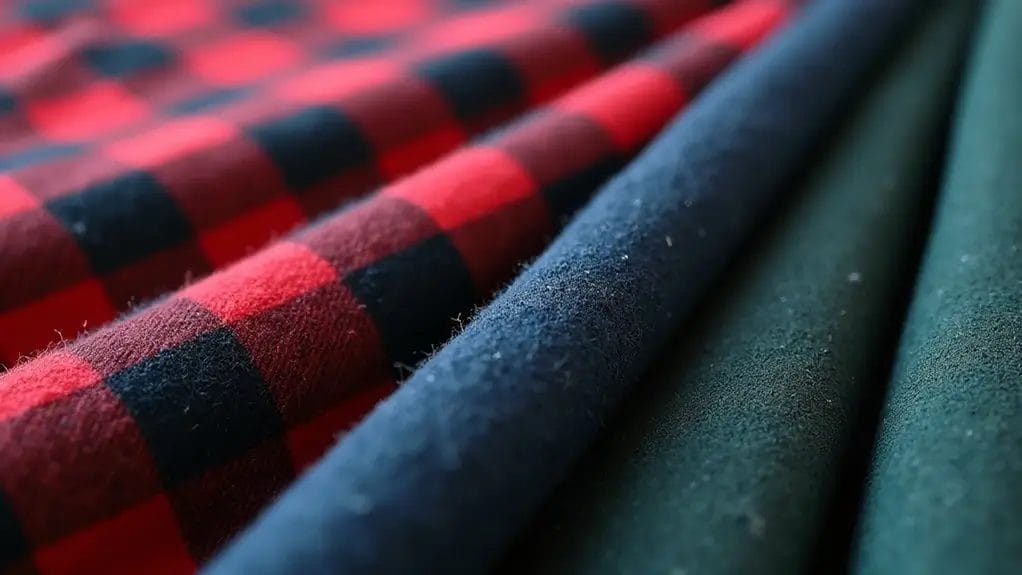
When selecting flannel fabric, you'll encounter five primary categories: cotton, wool, synthetic, cotton-polyester blends, and brushed variants.
Each type exhibits distinct technical specifications, with cotton offering breathability, wool providing superior insulation, and synthetic materials delivering enhanced durability.
You'll find brushed flannel, regardless of base material, features an additional mechanical finishing process that raises fibers to create the characteristic soft nap.
Cotton Flannel
Among the most popular varieties in textile manufacturing, cotton flannel consists of 100% cotton fibers that undergo a specialized brushing process to create its signature napped surface.
During production, the cotton fabric is brushed using metal teeth or bristles to raise fine fibers from the base material. This mechanical process is repeated on one or both sides until the desired softness and warmth are achieved.
You'll find that cotton flannel's napped texture creates insulating air pockets while maintaining breathability.
The fabric's durability increases with thread count, typically ranging from 120-180 threads per square inch, making it ideal for shirts, bedding, and cold-weather garments.
Wool Flannel
Wool flannel represents a distinct departure from its cotton counterpart, offering superior thermal properties and natural water resistance. This type of flannel, made from sheep's wool, undergoes a specialized carding process where the fibers are aligned and brushed to create its signature napped surface.
The resulting fabric features microscopic air pockets that trap heat while allowing moisture to escape.
You'll find that carded wool flannel provides exceptional warmth and comfort due to its natural crimp and scale-like fiber structure. The fabric's durability comes from wool's inherent strength, while its resistance to wrinkles and ability to maintain shape make it ideal for tailored garments.
Synthetic Flannel
Since the 1950s, synthetic flannel has emerged as a cost-effective alternative to traditional wool and cotton variants. This type of fabric incorporates manufactured fibers like polyester, acrylic, or nylon, often blended with natural materials.
- Polyester synthetic flannel retains warmth while offering superior moisture-wicking properties.
- Microfiber variants deliver enhanced durability and resist pilling better than natural flannel.
- Acrylic-based textile used in synthetic flannel provides excellent color retention.
- Nylon blends increase the fabric's strength and abrasion resistance.
- Manufactured fiber compositions allow for specialized performance characteristics like flame resistance.
The synthetic fabric used in modern flannel production maintains the signature brushed texture while delivering improved washability and wrinkle resistance.
Blended Flannel (Cotton-Polyester Blend)
Building on the innovations in synthetic materials, cotton-polyester blended flannel combines the best properties of both natural and manufactured fibers.
You'll find this modern hybrid offers superior durability while maintaining the soft, brushed texture characteristic of traditional flannel. The typical blend consists of 55-80% cotton and 20-45% polyester, creating a fabric that's wrinkle-resistant and less prone to shrinkage than pure cotton flannel.
This versatile blend retains warmth like fabrics like wool flannel but dries faster and costs less to produce.
You'll notice it's more colorfast and shape-retaining than traditional options, making it ideal for everyday garments and bedding.
Brushed Flannel
The brushing process creates the distinctive napped surface that defines brushed flannel, where specialized machinery raises fibers from the base weave using fine metal brushes.
You'll find that flannel is a soft fabric that undergoes mechanical brushing on one or both sides. High-quality flannel exhibits consistent fiber raising across the entire surface.
- Wire brushes gently lift fibers from the base weave.
- Multiple passes guarantee uniform napping.
- Brushing intensity determines the final texture.
- Double-sided brushing creates maximum softness.
- The weave structure must remain intact during brushing.
This controlled abrasion enhances the fabric's insulating properties and creates the signature fuzzy texture.
Lightweight Flannel
While traditional brushed flannel offers robust warmth, lightweight flannel variants provide versatility across multiple seasons.
This type of flannel fabric uses a more loosely woven construction, reducing its overall weight while maintaining softness. You'll find it's particularly suitable for sensitive baby skin and warmer climates where heavy fabrics aren't practical.
Lightweight flannel offers excellent breathability and comfort through a balanced thread count and minimal napping process.
Among the many types of flannel available, this variety typically ranges from 4-5 ounces per square yard, making it ideal for shirts, bedding, and children's clothing where mobility and airflow are essential.
Heavyweight Flannel
Traditional heavyweight flannel, weighing 6-8 ounces per square yard, represents the most durable and insulating variant of flannel fabric.
The woven fabric known for its substantial construction makes it perfect for cold-weather garments like wool outerwear.
- Made from carded wool or worsted yarn for maximum warmth.
- Dense weave creates exceptional wind resistance.
- Premium durability of flannel guarantees years of wear.
- Maintains shape and structure after repeated washing.
- Superior insulation compared to lightweight varieties.
You'll find heavyweight flannel most commonly used in winter flannel shirts, work jackets, and blankets where maximum protection from harsh elements is required.
The tight weave and substantial weight provide unmatched performance in extreme conditions.
Common Uses of Flannel Fabric
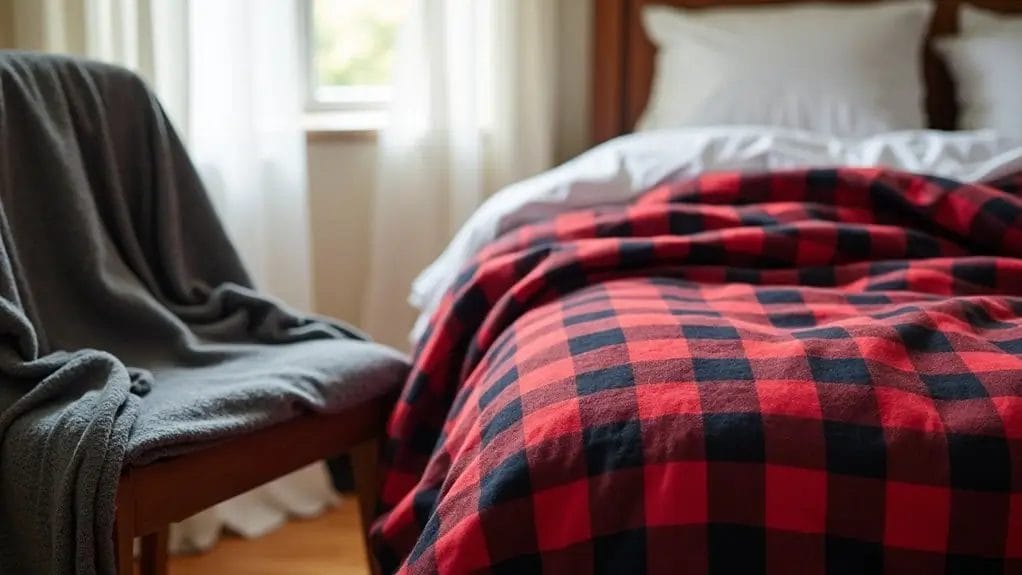
Flannel's versatility extends from your bedding essentials, including sheets and pillowcases, to cozy sleepwear like pajamas and robes.
You'll find this textile extensively used in baby clothing and accessories due to its soft texture and thermal properties, while it's also a practical choice for home décor applications such as curtains and upholstery.
The fabric's workable nature and durability make it an ideal material for DIY sewing projects and craft endeavors, allowing you to create custom pieces that maximize flannel's warmth and comfort.
Pajamas and Loungewear
Many sleepwear manufacturers select flannel as their primary fabric due to its superior thermal insulation properties and soft texture against the skin.
Flannel fabric is a versatile material that's become synonymous with comfortable sleepwear and loungewear. When you're looking for cozy pajamas, flannel is commonly used because of its temperature-regulating qualities.
- Flannel garments provide maximum comfort during sleep cycles.
- Double-napped flannel creates extra softness for nightwear.
- Flannel items maintain their shape after multiple washes.
- Flannel is a popular choice for winter loungewear sets.
- Breathable weave prevents overheating while maintaining warmth.
Flannel Bedding and Sheets
Modern bedding manufacturers widely utilize flannel fabric in sheet sets, duvet covers, and pillowcases due to its superior thermal properties and brushed surface texture.
When you're shopping for flannel sheets, you'll find options made from cotton or wool fibers that undergo a specialized spin and brushing process during flannel production.
While plaid flannel remains popular, solid colors and contemporary patterns are now common in bedding made from flannel.
The fabric weight typically ranges from 5-6 ounces per square yard for sheets, creating the ideal balance between durability and softness while maintaining excellent heat retention properties.
Baby Clothing and Accessories
Parents consistently choose flannel fabric for baby clothing and accessories due to its hypoallergenic properties and gentle touch against sensitive skin.
The apparel fabric maintains its softness through multiple washes while providing essential warmth.
- Reusable baby diapers benefit from flannel's moisture-wicking capabilities.
- Baby blankets crafted from flannel fabric offer ideal temperature regulation.
- Burp cloths and bibs utilize flannel's absorbent properties.
- Sleep sacks and pajamas leverage the fabric's breathable nature.
- Swaddle wraps made from flannel provide secure, gentle compression.
The fabric may be pre-washed to prevent shrinkage and maintain dimensional stability throughout your baby's growth stages.
Home Décor Items (Curtains, Pillowcases)
Beyond nursery applications, flannel fabric serves as a versatile material for home décor items, offering both practical and aesthetic benefits throughout living spaces.
You'll find that flannel's insulating properties make it an excellent choice for thermal curtains, helping regulate room temperature while reducing energy costs.
When it's made into pillowcases, flannel's brushed surface provides superior comfort against your skin.
The characteristics of flannel fabric, particularly its durability and resistance to wear, guarantee your décor items maintain their appearance over time.
Since flannel is a type of fabric that's available in various patterns and weights, you can easily match your existing interior design scheme.
Craft Projects and DIY Sewing
Whether you're new to sewing or an experienced crafter, flannel fabric proves ideal for numerous DIY projects due to its forgiving nature and ease of manipulation.
Flannel has made its way into craft projects of all sizes, from simple accessories to various clothing items. Once you understand how it's made and its properties, you can create:
- Custom baby blankets with double-layered flannel for extra warmth.
- No-sew fleece scarves with decorative fringed edges.
- Quilted table runners using flannel as batting alternative.
- Cozy pet beds with flannel filling and cotton exterior.
- Seasonal throw pillows with appliquéd flannel designs.
Frequently Asked Questions
Can Flannel Fabric Be Used for Summer Clothing?
You shouldn't use flannel for summer clothing, as its brushed fibers and dense weave trap heat and moisture. Instead, opt for lightweight, breathable fabrics like cotton lawn, linen, or voile.
How Do You Prevent Flannel Sheets From Pilling?
You'll minimize pilling by washing flannels in cold water, using gentle cycle, turning them inside-out, avoiding fabric softener, and drying on low heat. Pre-washing new sheets helps remove loose fibers.
Is Flannel Fabric More Expensive to Produce Than Regular Cotton?
You'll find flannel's production costs typically run 15-30% higher than standard cotton due to the brushing process, additional labor requirements, and specialized machinery needed for napping the fabric surface.
Does Flannel Shrink More in Hot or Cold Water?
You'll experience maximum flannel shrinkage in hot water, as the elevated temperature causes the fibers to contract more aggressively than cold water, typically resulting in 10-20% fabric reduction.
Can You Iron Flannel Fabric Without Damaging Its Soft Texture?
You can iron flannel by using medium heat and steam, working on the fabric's reverse side. Turn the garment inside out, and don't press too hard to preserve the napped texture.
Conclusion
You'll find that flannel's technical specifications make it an ideal textile choice for diverse applications. Through its specialized brushing process, the fabric achieves a napped surface with enhanced thermal retention properties. Whether you're selecting cotton flannel at 5-7 oz/yd² or wool flannel at 8-16 oz/yd², you'll achieve variable insulation levels based on fiber composition and weave density. The material's adaptability to both warp and weft brushing ensures maximum surface area coverage.
0 comments