

Have you ever stood between two bolts that look and feel almost the same, one labeled "viscose" and the other "rayon", and wondered which one would suit your project.
Many sewists notice that rayon and viscose are often used on tags as if they mean the same thing. When we understand how these fibers relate to each other, we can pick fabrics that match what we need for drape, breathability, care level, and even environmental impact.
In this guide, we'll walk through how rayon is made, what viscose really means, the differences are between rayon and viscose in everyday use and how to choose the best fabric for each project.
Key Takeaways
- Viscose is not a separate fabric category. It is one specific type of rayon, created with the classic viscose production process that uses a thick, honey-like liquid stage.
- Both rayon and viscose are semi synthetic fabrics made from regenerated cellulose. The cellulose usually comes from wood pulp, bamboo cellulose, or cotton linter, so they start from plant material even though chemicals change that pulp into fiber.
- In the textile trade and under US rules, rayon and viscose are often used interchangeably. The Federal Trade Commission allows both fiber names on tags for the same material, which is why shoppers often see the terms mixed.
- Real differences come from the production method and fiber blends. The manufacturing process, the source pulp, and any blends with cotton, linen, polyester, bamboo, or other rayon types like modal and lyocell can change strength, feel, and care needs.
- Knowing how different rayon types behave makes fabric shopping easier. Understanding viscose, rayon, modal, and lyocell helps us match fabric to use, whether that is a flowing dress, bamboo sheets, or a hard-working top that needs frequent washing.
What Is Rayon?

Rayon is the family name for a group of semi synthetic fibers made from regenerated cellulose. The cellulose comes from plants, yet the material is processed so much that it no longer counts as a simple natural fiber like cotton or linen. It also is not a fully synthetic fiber like polyester that comes from oil. Rayon sits in the middle, often described as a semi synthetic fabric made from natural cellulose.
Common Cellulose Sources for Rayon
The primary cellulose sources for rayon production include:
- wood pulp from eucalyptus, beech, pine, and spruce trees
- bamboo pulp
- cotton linter—the short fibers remaining on cottonseeds after ginning
These pulp materials are transformed into smooth, continuous filaments that create soft, breathable fabric. Depending on the manufacturing process, rayon can mimic the texture of silk, cotton, or linen.
How Rayon Is Made: The Basic Production Process
The basic rayon manufacturing process follows a few key stages:
-
Preparing the pulp
Wood chips, bamboo, or cotton linter are cooked and mechanically broken down until they become a smooth, wet pulp rich in cellulose. -
Dissolving the cellulose
That pulp goes into a chemical bath that dissolves the cellulose into a thick, syrup-like solution. This liquid is sometimes called "dope" in fiber production. -
Forming filaments
The liquid passes through a spinneret, a device with many tiny holes, similar to a showerhead. As the liquid streams enter a second chemical bath, the cellulose changes back into solid form and becomes long, thin filaments. -
Washing and finishing
These regenerated cellulose fibers are washed to remove leftover chemicals, stretched to improve strength, and spun into yarn ready to be woven or knitted into fabric.
By changing the chemicals, temperatures, and stretching steps, mills can make different types of rayon from the same basic idea.
What Is Viscose?
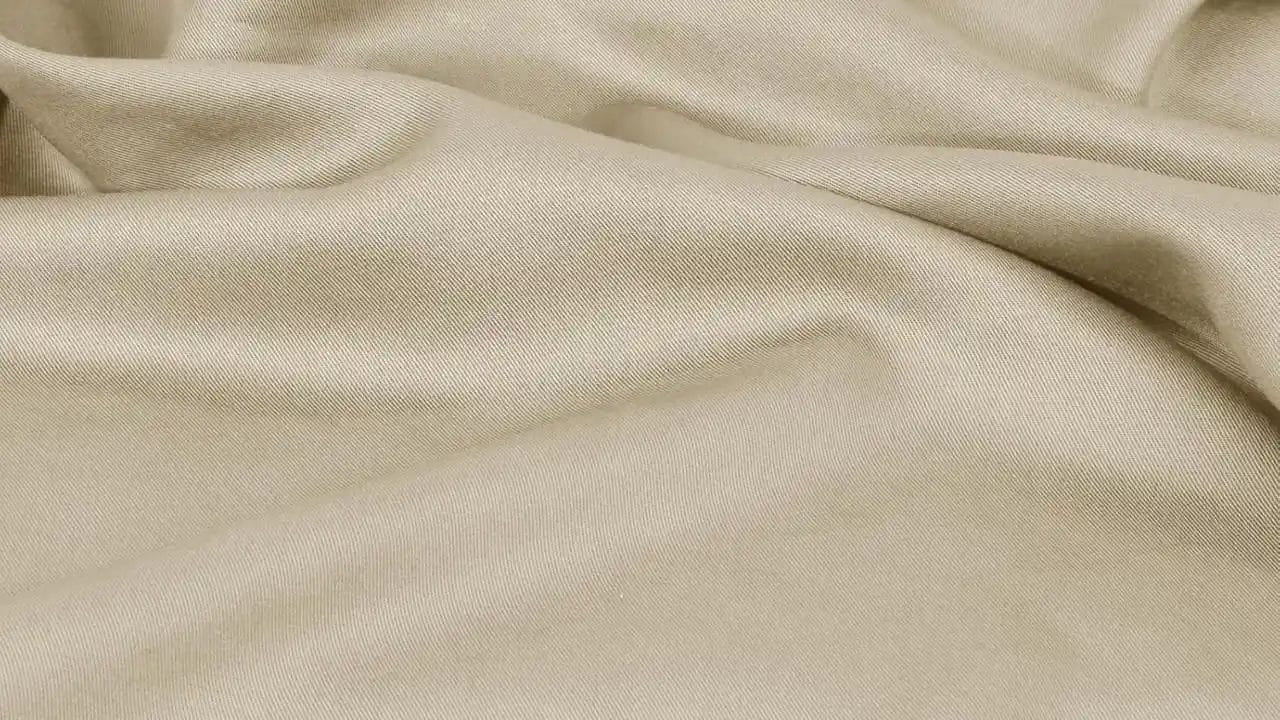
Viscose is the oldest and most common method for making rayon, and it is still widely used. When many people say "rayon", they really mean viscose rayon without knowing it. The name "viscose" comes from a stage in the process where the dissolved cellulose turns into a very thick, viscous liquid.
Historically, viscose was promoted as artificial silk because it offered a smooth, silky handfeel and pretty sheen at a much lower price than true silk.
Because the viscose method is so common, the terms rayon and viscose are often used interchangeably. The US Federal Trade Commission allows manufacturers to use either name on labels for this fiber.
The Viscose Manufacturing Process: A Chemical-Intensive Method
The viscose production process begins with purified wood pulp or cotton linter soaked in a strong solution of sodium hydroxide, also known as caustic soda. This alkali treatment swells and cleans the cellulose so it reacts more easily in later steps. The wet sheets are pressed to remove extra liquid and shredded into white crumbly flakes.
Those crumbs rest for a set time, a stage called "aging", so the cellulose reaches the right reactivity level. The crumbs then meet liquid carbon disulfide, which reacts with the cellulose and forms cellulose xanthate, often an orange-toned material. That substance is dissolved again in a weaker caustic soda solution and turns into the thick, honey-like viscous liquid that gives viscose its name.
After this, the viscose dope is filtered and allowed to ripen so the molecule size and texture are more even. It then moves through a spinneret into an acid bath, usually containing sulfuric acid and other salts. In that bath, the cellulose xanthate turns back into solid cellulose filaments. These viscose fibers are washed, stretched, and finished, becoming the silky, drapey fabric many people love.
Viscose Vs Rayon: Key Similarities And Differences
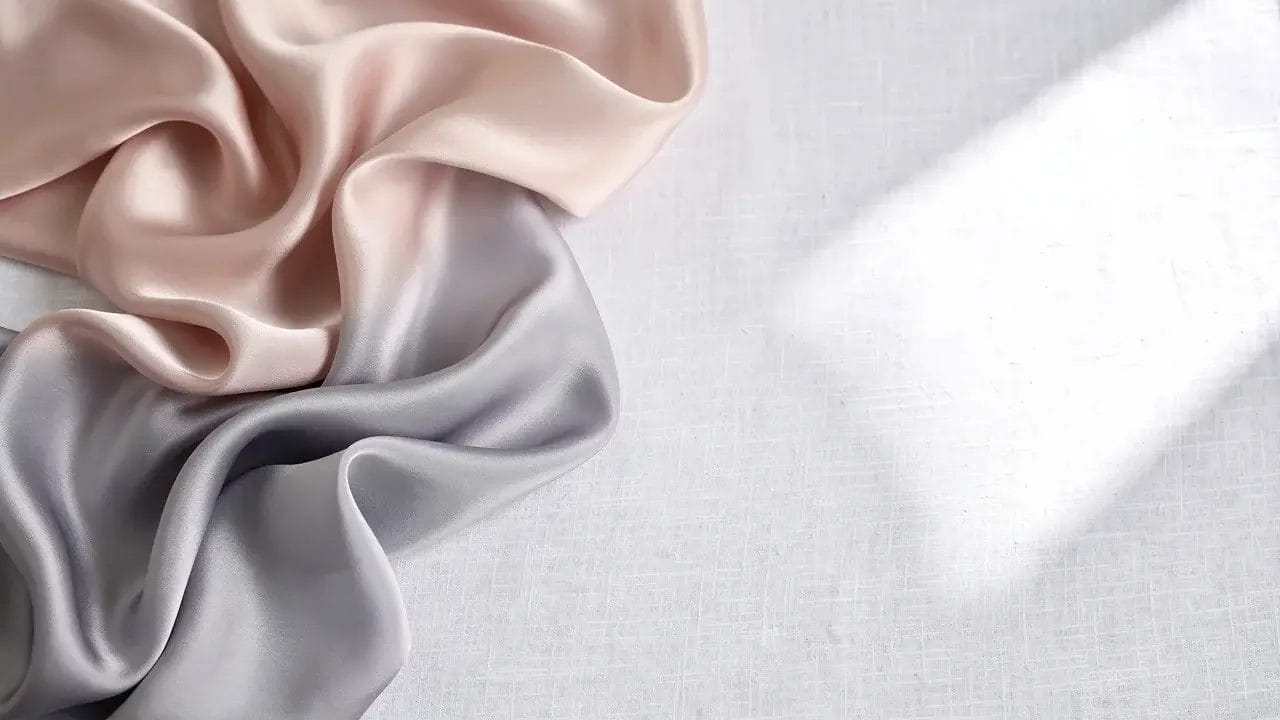
The clearest way to think about viscose and rayon is to see rayon as the big family and viscose as one member inside that family. All viscose is rayon, but not all rayon is viscose. Modal, lyocell, cupro, and some high‑wet‑modulus fibers are also rayon types, even though they may look and feel a little different.
Similarities Between Viscose and Rayon
When comparing viscose and rayon, it's essential to understand that they share fundamental characteristics.
- Both fabrics derive from cellulose-based materials, typically wood pulp from beech, eucalyptus, bamboo, or cotton linter.
- They undergo similar regeneration processes to create soft, breathable fibers that drape beautifully.
- These materials offer excellent moisture-wicking capabilities and superior breathability, making them ideal for warm weather garments.
- The fabrics provide luxurious softness and smoothness against the skin, comparable to natural silk.
- They demonstrate exceptional dye absorption, creating vibrant colors and sharp prints that remain rich after multiple washes.
- However, both become fragile when wet, requiring gentle handling during washing and drying.
- They wrinkle easily, especially in plain-weave constructions, and demand careful maintenance with gentle wash cycles and low heat to preserve quality and appearance over time.
Differences Between Viscose and Rayon
While viscose is technically a type of rayon, subtle differences exist when comparing viscose to other rayon varieties or traditional rayon blends. The comparison table below highlights these distinctions:
| Feature | Viscose | Rayon |
|---|---|---|
| Appearance | Noticeable silky shine that can look like real silk | Can range from silky to more matte and cotton like, depending on process |
| Feel | Very soft and smooth, often described as cool and almost slippery | Also soft and smooth, sometimes a touch closer to cotton or linen in handfeel |
| Temperature behavior | Can feel cool in heat but not icy cold, comfortable in mild seasons | Often feels very cool and airy, great for hot climates and hot sleepers |
| Durability | Fibers are weak when wet and can stretch or tear if handled roughly | Some non viscose rayons are slightly stronger |
In everyday sewing, these differences are small. A viscose fabric and another rayon of the same weight and weave will usually cut, drape, and press in nearly the same way.
Other Types Of Rayon
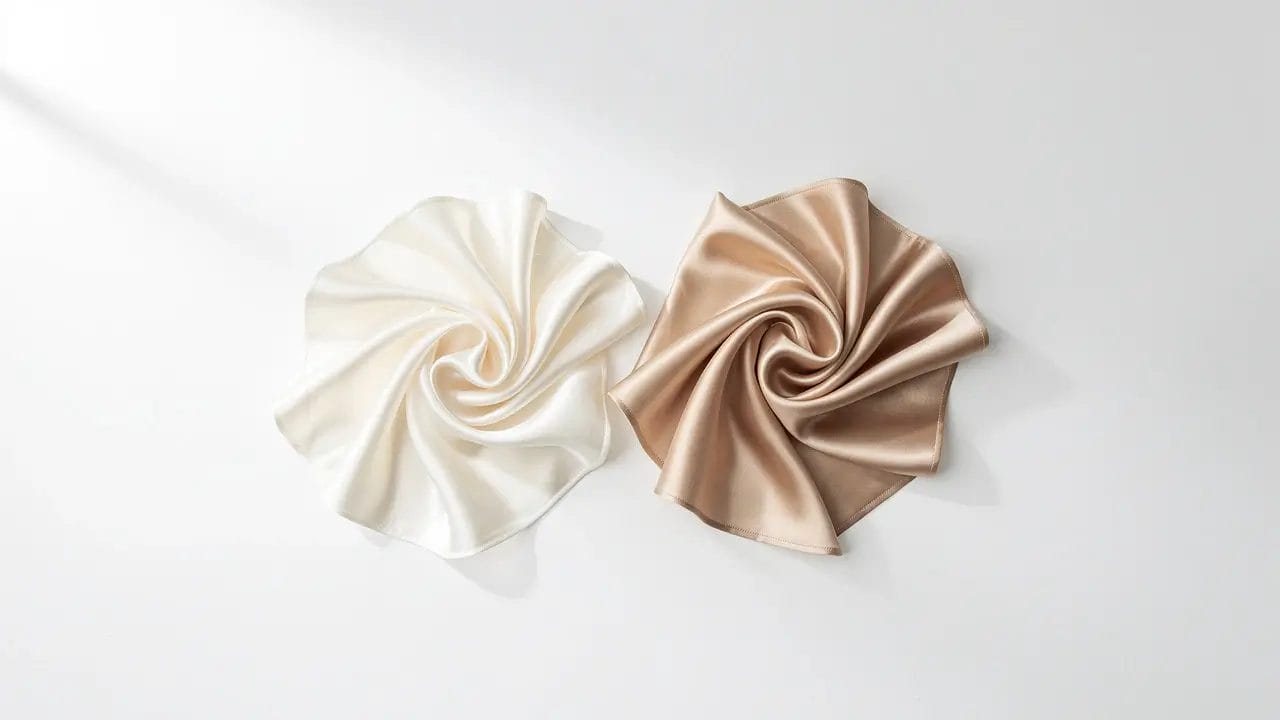
Rayon is not only viscose. It is a whole group of regenerated cellulose fibers that share the same basic idea but use different production methods.
Beyond viscose, common rayon types include modal, lyocell, and cupro. Understanding these related fibers helps us pick fabrics that hold up better in the wash or match specific values around sustainability.
Modal: The Stronger More Stable Rayon
Modal is a rayon made mostly from beech wood pulp and designed to be stronger than standard viscose, especially when wet. The process is adjusted so the fiber holds its shape better in water, which is called high wet modulus behavior. That means modal garments resist shrinking, sagging, or twisting as much in the wash.
The fabric feels very soft, often even softer than regular viscose, and it takes color well, so prints and solids stay rich after many laundry cycles. Because of this mix of comfort and strength, modal is common in underwear, T shirts, activewear, and lightweight bedding that see frequent washing.
Lyocell: The Eco Friendly Rayon Alternative
Lyocell is another rayon type. It usually starts with eucalyptus wood pulp, though mills can also use beech or other trees from managed forests. What sets lyocell apart is the closed loop production process that reuses the same solvent and much of the water again and again instead of releasing it.
In lyocell production, the cellulose dissolves in a non toxic organic solvent instead of going through the carbon disulfide step used in viscose. More than 99 percent of that solvent can be recovered and reused, which cuts pollution and resource use sharply. This makes lyocell one of the more eco friendly rayon options.
Lyocell fabric is strong, even when wet, and has a smooth, slightly matte handfeel that many people love for sensitive skin. It breathes well, manages moisture, and works nicely in clothing, luxury bedding, and bamboo-like sheets that stay cool and dry. It blends easily with cotton, wool, silk, or even other rayon types to improve softness and comfort.
Advantages And Disadvantages: What To Expect From Viscose And Rayon
Viscose and other rayon fabrics are popular for good reasons, yet they also come with limits that matter for sewing and wearing. When we understand both sides, we can match projects to the right fiber and avoid surprises later.
Why Sewers Love These Fabrics: The Benefits
Rayon and viscose offer a mix of comfort, looks, and price that appeals to many sewists:
-
Soft, silky feel
Rayon and viscose are known for an incredibly soft, silky feel against the skin that rivals much more expensive fabrics. Many people choose them when they want the like silk sensation without paying for real silk. -
Beautiful drape
The drape is another big plus; rayon flows and hangs in a way that flatters curves and moves beautifully, which is perfect for skirts, dresses, and loose blouses. -
Breathability and moisture management
Because rayon comes from cellulose, it breathes and absorbs moisture well. It pulls sweat away from the body and lets air move through, which makes it comfortable for warm weather, hot sleepers, and bedding. -
Rich color and prints
The fibers take dye easily, so viscose fabric often shows deep color and crisp prints that stay eye catching over time. -
Budget friendly with a plant base
Cost is a strong advantage. Rayons, including bamboo viscose and bamboo rayon, give a luxurious look and feel at a budget friendly price compared to silk. Since the base cellulose is plant based, these fibers start from renewable material rather than a fossil fuel source. -
Versatile blends
They also mix well with cotton, linen, and polyester, making rayon blends that combine softness with better wrinkle resistance or durability.
The Challenges: What to Watch Out For
Alongside the positives, there are some limits sewists should keep in mind:
-
Low strength when wet
The main downside of viscose and many rayon fabrics is low strength when wet. Fibers that feel fine when dry can stretch, distort, or even tear if handled roughly in the wash. Hot water, heavy agitation, or a crowded washer increase that risk, so gentle handling is very important. -
Shrinkage
Rayon also shrinks easily, especially if it meets heat in water or in a dryer. A garment that fits well before laundering can come out shorter or narrower after one careless wash. -
Wrinkling
Wrinkling is another pain point, since plain rayon weaves crease fast and often need pressing or steaming. -
Longevity concerns
Over time, rayon pieces may not last as long as items made from cotton, linen, or polyester, especially with frequent washing. Some fabrics may pill where there is friction, creating small fuzz balls on the surface. -
Storage sensitivity and production impact
Storage in humid spaces can lead to mildew spots or yellowing because the cellulose base reacts to moisture and microbes. On top of that, traditional viscose production raises environmental questions due to heavy chemical use and pressure on forests.
Environmental Impact And Sustainability Considerations
At first glance, rayon and viscose sound very green because they come from trees or bamboo instead of oil. The picture is more mixed in real life. The way pulp is sourced, the chemicals used, and how well factories manage waste all affect how sustainable a given fabric truly is.
Researchers estimate that around 200 million trees are cut each year to feed cellulosic fiber production, including rayon and viscose. Reports suggest that close to 30 percent of that wood may come from ancient or endangered forests, which raises serious concerns. Water use and energy demand are also high, especially in older viscose plants.
The Environmental Challenges Of Conventional Production
Standard viscose production relies on carbon disulfide, a toxic chemical that can damage the nervous system if workers breathe high levels. The need for huge amounts of wood pulp can drive logging in sensitive forest areas.
Making viscose rayon also takes a lot of water for pulping, washing, and regenerating fibers. In regions where water is already scarce, this can put stress on communities and nearby natural habitats.
Choosing More Sustainable Options
The good news is that better options exist in the rayon family and in how pulp is sourced. When we support these choices, we send a message that care for forests and clean production methods matter just as much as soft, silky fabric.
-
Lyocell
Lyocell, uses a closed loop production process where the main solvent is recovered and reused many times. This greatly reduces chemical discharge and saves water, while still giving a breathable, moisture wicking fabric that feels smooth on skin. -
Modal
Modal often comes from beech forests managed under strict standards. These producers use cleaner bleaching stages and modern equipment to cut water use and air emissions while still offering a strong, colorfast fabric. -
Certified pulp sources
Certifications like FSC and PEFC on pulp or fabric labels signal that the wood pulp comes from forests managed with long term health in mind. These marks help us avoid rayon and viscose that rely on logging in ancient or threatened forests. -
Cupro from cotton linter
Cupro is another rayon made from cotton linter, which is a byproduct of the cotton industry that might otherwise go to waste. Modern cupro processes can also use closed loop systems, so this fiber pairs waste reduction with improved process control.
Practical Care And Maintenance Keeping Your Fabrics Beautiful
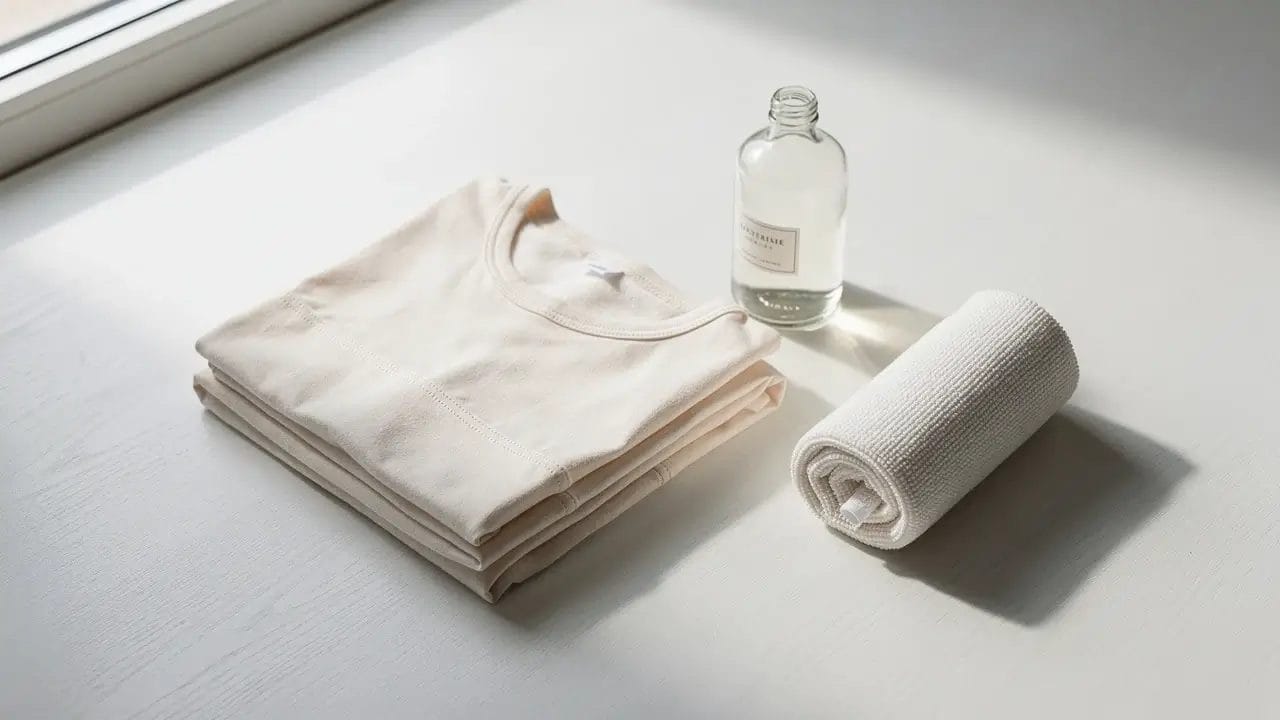
Because viscose and many rayon fabrics are more delicate when wet, care choices have a big effect on how long they look nice. With a little planning, we can keep that silky drape and smooth handfeel much longer.
Washing Guidelines: Gentle Handling Is Key
Care always starts with the tag, so we read the manufacturer’s instructions before doing anything else. Pure viscose and rayon or viscose and rayon blends with little polyester usually prefer gentle methods.
For most items, these steps work well:
-
Choose mild products
Hand washing in cold water with a mild, pH neutral detergent is the safest approach, using only light swishing motions instead of heavy scrubbing. -
Use gentle machine settings when needed
If we decide to use a machine, the delicate or gentle cycle with cold water is the best choice. Placing items in a mesh laundry bag helps protect them from twisting and catching on other clothes. It is important not to overload the washer so fabrics can move freely without too much friction. -
Avoid harsh chemicals
Harsh detergents, bleach, and aggressive stain removers can weaken rayon fibers and damage color. When we need to treat a stain, testing products on a hidden area first is wise. -
Respect dry clean labels
For special pieces or items labeled dry clean only, professional cleaning may be the safest path.
Drying And Finishing Preserving Shape And Texture
After washing, rayon and viscose need careful handling.
-
Remove excess water gently
Instead of wringing or twisting, we gently squeeze out water or press the item between clean towels to remove moisture. This helps avoid stretching the fabric while it is weak and heavy with water. -
Air dry whenever possible
Air drying is the best choice for keeping shape and size. We can lay garments flat on a towel, reshaping seams and hems, or hang them on padded hangers away from direct sun or strong heat. High heat from a tumble dryer can cause major shrinkage and fiber damage, so it is safer to skip the dryer for these fabrics. -
Press with care
When wrinkles appear, ironing on a low setting marked for silk or rayon, with the garment turned inside out, works well. Pressing while the fabric is still slightly damp or using a thin cotton press cloth helps protect shine and surface texture. A handheld steamer can relax wrinkles without pressing them in.
For storage, keeping items clean, completely dry, and in a cool, dry place helps prevent mildew spots and yellowing.
Choosing Between Viscose And Rayon For Your Sewing Projects
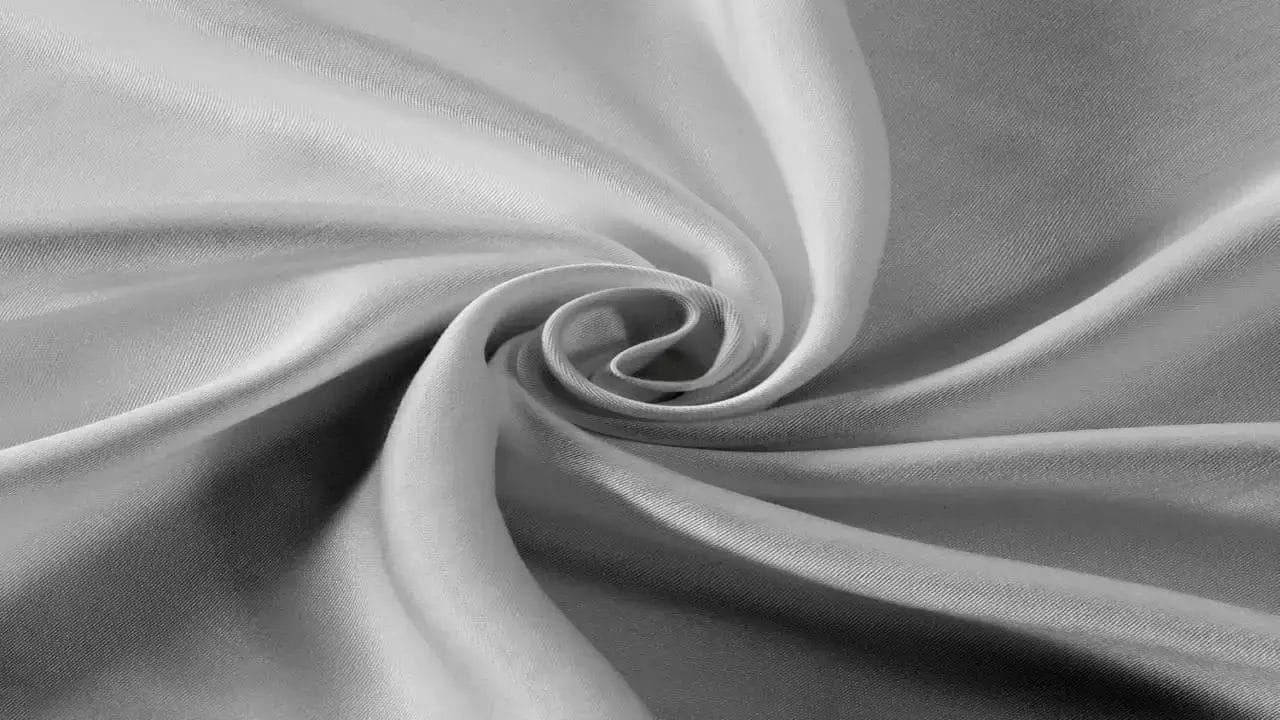
Once we understand how rayon and viscose behave, the next step is matching fabric to the project on the cutting table.
-
Flowing dresses and blouses
For flowing dresses and blouses, either viscose or general rayon will give the beautiful drape we want. Fabrics with a slight sheen work nicely for dressy garments, while more matte rayons feel casual and everyday friendly. Checking the weight and doing a small drape test before buying can help us see how the fabric will move. -
Summer clothing and cool sleepwear
For summer clothing and hot weather sleepwear, light rayon challis, bamboo rayon, or bamboo viscose are strong options. These fabrics tend to be breathable and moisture wicking, which keeps the body cooler and drier. Loose patterns with ease will make them feel even more airy. -
Pieces for in‑between seasons
For pieces that should work across seasons, viscose that is a little heavier can feel comfortable in both spring and fall. It sits between cool cotton and cozy wool, so it layers over tanks or under cardigans easily. -
High wear garments
For garments that need higher durability or frequent washing, modal or lyocell can be better choices within the rayon family. Their fibers stay stronger when wet, so T shirts, leggings, and kids’ clothes hold shape better over time. -
Lower impact sewing and bedding
For eco conscious sewing or bedding like bamboo sheets, lyocell stands out because of its closed loop systems and responsible pulp sourcing. -
Sensitive skin
For sensitive skin, lyocell and some high quality bamboo viscose or bamboo rayon fabrics feel smooth, breathable, and gentle. Fabrics with fewer chemical finishes and clear production details tend to be better choices for those who react easily. Prewashing before wear can also reduce any leftover processing chemicals. -
Home décor and accessories
For home décor projects such as curtains, soft pillow covers, or lightweight bedding, rayon and viscose blends with cotton or linen can work very well. These blends add body and strength while keeping nice drape and a silky or linen like feel.
Conclusion
When we strip away confusing labels, the big picture is fairly simple. Rayon is the broad name for regenerated cellulose fibers, and viscose is one very common kind of rayon. So the viscose and rayon debate is less about two rival materials and more about learning how this fiber family works.
These fabrics offer clear benefits. They feel silky and soft, hang beautifully, and cost far less than real silk while still looking refined. They breathe and handle moisture well, which makes them comfortable for clothing and bedding. At the same time, they bring real challenges around wet strength, wrinkling, shrinkage, and environmental impact from traditional viscose production. By exploring related fibers like modal and lyocell, and by paying attention to certified, responsibly sourced pulp, we can enjoy rayon’s comfort while making better choices for people and forests.
FAQs
Are Viscose And Rayon The Same Thing?
Viscose and rayon are closely related, which is why they are often treated as the same. Rayon is the big group of semi synthetic fibers made from regenerated cellulose, and viscose is one common method used to make those fibers. In practice, most clothing labeled rayon in the US is viscose rayon. The Federal Trade Commission even allows both names for the same fiber on tags.
Is Viscose More Expensive Than Rayon?
Since viscose is a type of rayon, the base price range is similar. Any cost difference shoppers see usually comes from fabric weight, weave, quality of the pulp, or brand positioning instead of the words viscose vs rayon on the label. More advanced rayon types like lyocell often cost more because of cleaner, closed loop production and stronger, longer lasting fibers.
Which Is Better For Sensitive Skin Viscose Or Rayon?
Both viscose and other standard rayons are soft and smooth, which feels pleasant on most skin. However, people with very sensitive skin often prefer lyocell or high quality bamboo viscose, because these fabrics are breathable, moisture wicking, and finished with more modern processes. Washing new garments before wearing helps rinse away any leftover processing chemicals. Anyone with known sensitivities may want to test a small swatch against the skin before sewing or buying more yardage.
Can You Wash Viscose And Rayon In A Washing Machine?
It is possible to machine wash rayon and viscose, but it calls for care. The safest method is a delicate cycle with cold water and a mesh laundry bag, combined with a small load to limit twisting and rubbing. Even with these steps, fibers are weaker when wet and more prone to shrinking, so hand washing is kinder for special items. Care labels should guide the final choice, especially for blends or lined garments.
Is Rayon Or Viscose More Sustainable?
Standard viscose and general rayon share many of the same environmental concerns, including chemical use, water demand, and pressure on forests. Lyocell and modal fabrics are presently among the better rayon options, thanks to closed loop processes and certified forests. Looking for FSC or PEFC marks and brands that share supply chain details is a smart way to support more eco friendly rayon fabrics.
0 comments