

You'll find distinct characteristics when comparing canvas and Oxford fabric, two textiles that often compete for attention in both fashion and functional applications. While they might appear similar at first glance, their unique fiber compositions and weave structures set them apart in significant ways. From canvas's robust plain weave construction to Oxford's signature basket weave pattern, understanding these different characteristics and uses will help you make informed decisions for your specific needs.
Key Takeaways
- Oxford fabric uses a basket weave with multiple warp yarns, while canvas employs a plain weave with single threads.
- Canvas is significantly heavier and more durable than Oxford fabric.
- Oxford fabric offers better breathability and comfort due to its looser weave structure and softer texture.
- Canvas excels in outdoor applications like furniture and sails, while the uses of Oxford fabric include sportswear and casual clothing
- Oxford combines cotton and polyester, whereas traditional canvas is primarily cotton-based with optional synthetic variations.
Composition and Properties of Canvas and Oxford Fabric
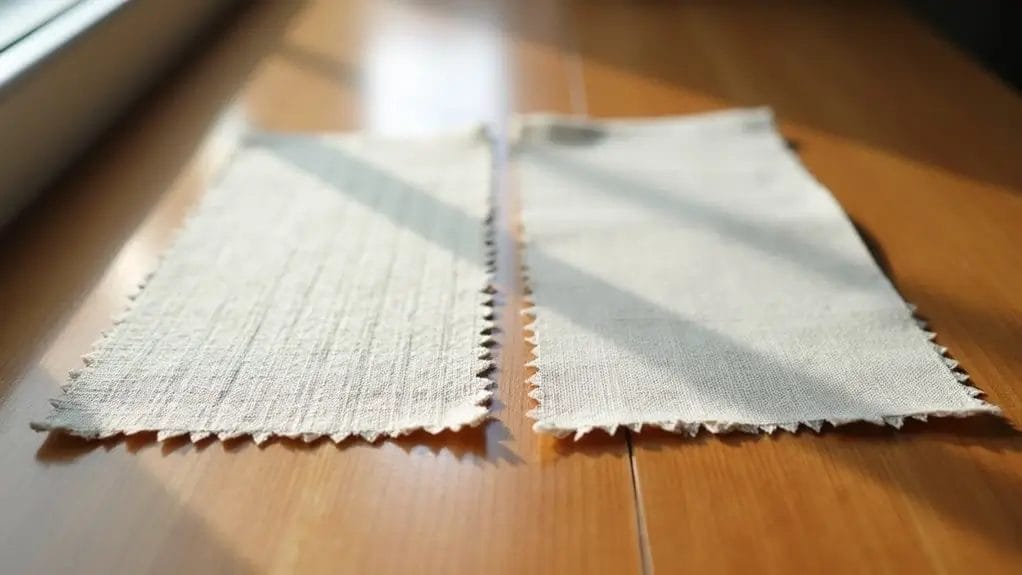
Canvas and Oxford fabric differ fundamentally in their fiber composition, with canvas traditionally made from cotton or linen and Oxford incorporating a combination of cotton and polyester fibers.
You'll find canvas features a plain weave structure with thick yarns creating a robust, textured surface, while Oxford utilizes a basket weave pattern with one heavier yarn crossed by two lighter yarns.
The weight disparity between these textiles is notable, as canvas typically ranges from 8-24 ounces per square yard compared to Oxford's lighter 3-5 ounces, making each suitable for distinctly different applications.
Materials Used
The primary distinction between these two fabrics lies in their fundamental construction and fiber composition.
Canvas typically consists of polyester-cotton blended yarns and cotton, woven in a plain weave pattern with thick, sturdy fibers in both warp and weft directions.
You'll find that traditional canvas uses 100% cotton, though modern versions may incorporate synthetic fibers like polyester for enhanced durability.
Compared to canvas, Oxford fabric features a distinctive basket weave construction using finer yarns.
While it's commonly made from cotton, you'll often see it in polyester or blended textile compositions. The weave combines multiple warp yarns with a single weft yarn, creating its characteristic textured appearance.
Weaving Technique and Texture
Weavers create distinct textural differences between these fabrics through their specific construction methods.
Oxford fabric uses a multi-strand weave where two warp yarns interweave with one weft yarn, creating a distinctive basket pattern. You'll notice its soft hand and subtle texture. The durability features of oxford fabric make it a popular choice for various applications, from clothing to outdoor gear. Its resistance to wear and tear ensures longevity, while the fabric's breathable nature adds to its comfort. This combination of strength and softness is what sets oxford fabric apart in the textile industry.
Canvas employs a plain weave technique, where single warp and weft threads cross in a simple over-under pattern. You can find both coarse canvas with thicker yarns and fine canvas with tighter weaves.
While Oxford fabric features a balanced twill structure that's smoother to touch, canvas maintains a more rigid, durable texture with pronounced surface characteristics.
Weight and Thickness
When comparing material densities, Oxford fabric typically ranges from 150-350 GSM (grams per square meter), while canvas weighs substantially more at 250-800 GSM.
You'll notice canvas's heavier weight directly impacts its thickness and hand feeling, making it more substantial to touch.
Oxford fabric's lighter construction offers a more refined textile experience, with a thickness that's strikingly less than both coarse canvas and fine canvas varieties.
While this affects durability somewhat, Oxford fabric maintains strength through its specialized weave.
The material's moderate weight and thickness make it ideal for applications where you need a balance between structure and flexibility.
Breathability and Comfort
While both canvas and Oxford fabric serve functional purposes, you'll find that Oxford's unique basket weave construction allows better airflow between the yarns, making it more breathable for everyday wear.
Canvas's tighter plain weave creates a denser, more rigid fabric that excels in durability and water resistance but offers less ventilation.
You'll notice that Oxford fabric's balanced construction maintains comfort during extended wear, while still providing adequate protection against stains and moderate weather conditions.
Different Characteristics of Oxford Fabric and Canvas
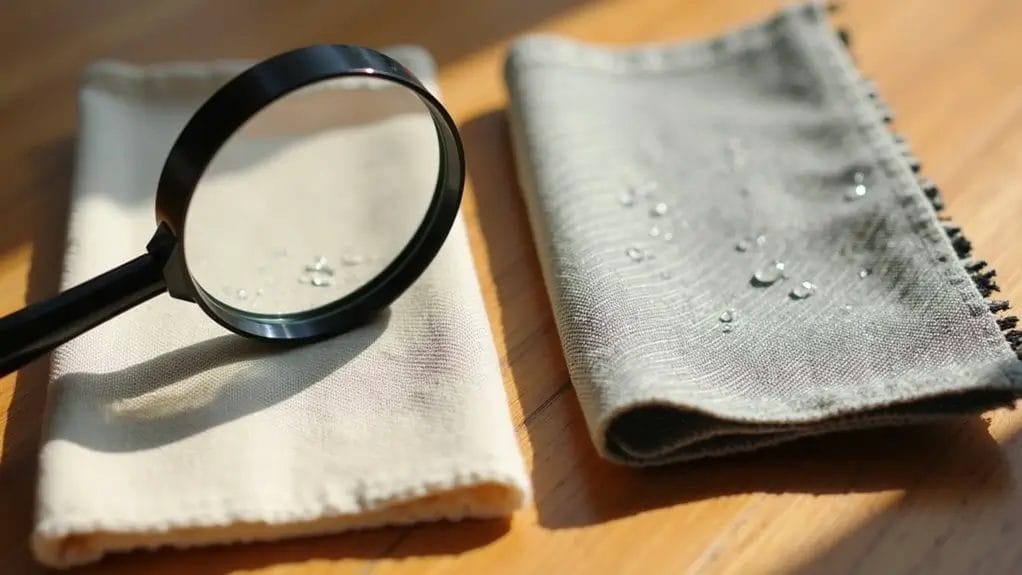
Although both materials serve functional purposes, Oxford fabric and canvas differ markedly in their breathability and comfort characteristics.
You'll find that Oxford cloth's basket weave construction allows better air circulation and moisture-wicking properties, making it more breathable for everyday wear.
Canvas, with its plain weave and dense fiber structure, offers superior wear resistance and waterproof qualities but sacrifices breathability.
Durability
The durability differences between canvas and Oxford fabric stem directly from their distinct fiber structures and weave patterns.
You'll find that canvas offers superior wear and tear resistance due to its tight, plain weave construction and heavier fibers. It's the go-to choice for outdoor applications where abrasion resistance is vital. High-end textile manufacturers often rate canvas higher for extreme conditions.
Oxford fabric, while durable, presents moderate resistance to heavy wear. However, it's still suitable for outdoor activities, offering good waterproof performance when treated.
You'll notice it maintains its structural integrity well under normal use, though it's not as robust as canvas for intense applications.
Water Resistance
Natural water resistance varies considerably between canvas and Oxford fabric based on their distinctive weave structures.
You'll find that Oxford fabric's tight basket weave, especially when made with nylon fibers, offers superior water resistance compared to traditional canvas.
While canvas can be treated for water resistance during manufacturing, its natural cotton fibers tend toward higher moisture absorption.
You'll notice this difference when using outdoor equipment: Oxford fabric is commonly used in modern coats and lightweight tents, while canvas requires additional waterproofing treatments.
After washing, Oxford fabric maintains its water-resistant properties longer, making it more practical for items regularly exposed to moisture.
Stain Resistance
Both materials demonstrate distinct stain-resistant qualities linked to their fiber composition and weave structure.
Oxford fabric, made from polyester-cotton blended yarn, offers superior stain resistance due to its tighter weave and synthetic fiber content. You'll find it repels common stains more effectively and retains dye better than pure cotton alternatives.
Canvas, primarily composed of cotton, exhibits different characteristics in stain resistance. While it's more absorbent and may take on stains more readily, its dense weave structure provides some natural protection.
You can enhance canvas's stain resistance through various treatments, though it won't match oxford fabric's inherent stain-fighting properties.
Applications of Oxford Fabric and Canvas
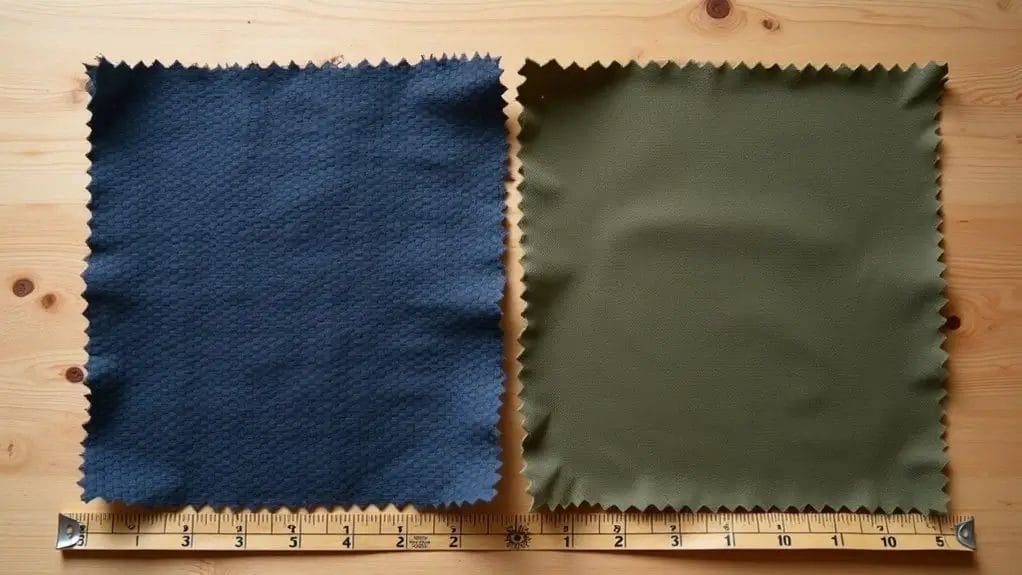
Versatile in their applications, canvas and Oxford fabric serve distinct purposes across multiple industries.
You'll find canvas chiefly used in heavy-duty applications like outdoor furniture, sails, and luggage due to its robust plain weave construction.
It's also a preferred material for shoes and chair upholstery, making it suitable for durable shoe materials.
Oxford fabric is suitable in shirt, sportswear and casual clothing applications.
You'll see it extensively used to make bags, including backpacks and handbags, where breathability matters.
Both materials offer a wide range of printing possibilities, though canvas typically provides better print definition due to its tighter weave structure.
Frequently Asked Questions
Can Canvas and Oxford Fabric Be Blended With Other Materials?
You'll find both fabrics can be blended with polyester, nylon, or spandex. Your Oxford fabric is made of polyester-cotton blends, while your canvas is made of synthetic fibers for enhanced durability and performance.
Which Fabric Holds Dye Better and Maintains Color Longer?
You'll find that canvas holds dye better due to its dense, tight weave and natural cotton fibers. Oxford's looser basket weave structure means colors may fade faster, especially in areas with high friction.
What Is the Average Price Difference Between Oxford and Canvas?
You'll find Oxford fabric typically costs 10-20% more than canvas due to its complex basket weave and finer yarns.
How Do Both Fabrics Perform in Extreme Weather Conditions?
You'll find both fabrics weather-resistant, but canvas's tight plain weave offers superior protection in harsh conditions. Oxford's basket weave, while durable, can allow more moisture penetration during extended exposure to elements.
Are Oxford Fabric and Canvas Equally Resistant to Pilling?
You'll find that Oxford fabric's tighter weave and finer yarns make it more prone to pilling than canvas. Canvas's thicker, plain-woven fibers and sturdier construction create better resistance to surface abrasion and pill formation.
Conclusion
Canvas and Oxford fabric serve different uses based on their unique constructions. Canvas, with its plain weave made of cotton or linen fibers, offers superior tensile strength and durability, making it ideal for industrial applications. In contrast, Oxford features a basket weave that combines cotton and polyester, providing enhanced breathability and moisture-wicking properties, which are perfect for performance wear. When making a choice between these technically different textiles, consider the specific requirements of your application.
0 comments