

In the world of textiles, the dobby weave stands out for its unique texture and intricate patterns, making it a popular choice in various fashion and home décor items. Whether you're looking at lightweight shirts, elegant curtains, or cozy bedding, dobby fabrics can add a touch of sophistication to any piece. However, for many, recognizing a dobby weave can be a bit challenging. Now we will provide you with a straightforward guide to help you easily identify this classic fabric pattern, empowering you to make informed choices in your sewing and shopping endeavors. Let’s dive in and explore the charm of dobby weave!
Key Takeaways
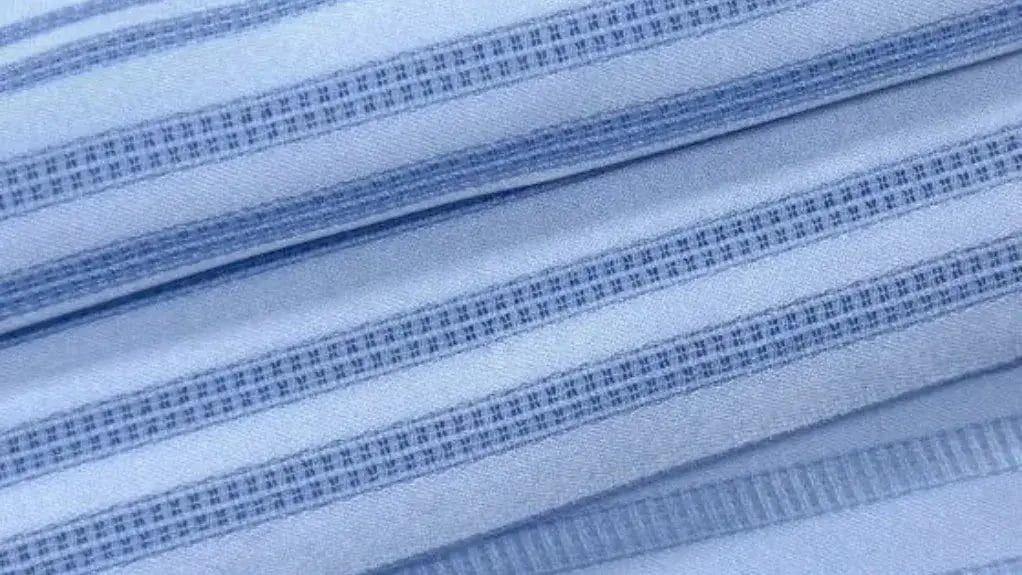
- Dobby weave is easy to spot once you know what to look for because it has tiny repeating geometric patterns that are woven into the structure of the fabric, not printed on top.
- The easiest way to recognize dobby by feel is to notice the raised texture. When you slide your hand across it, you feel small bumps, ribs, or waffle areas instead of a flat, smooth surface.
- Typical dobby patterns include tiny diamonds, dots, squares, straight ribs, bird’s-eye designs, and waffle or honeycomb textures.
- Dobby and jacquard both have woven designs, but dobby patterns are smaller and simpler while Jacquard patterns are larger and more detailed.
What Is Dobby Weave: Understanding The Basics
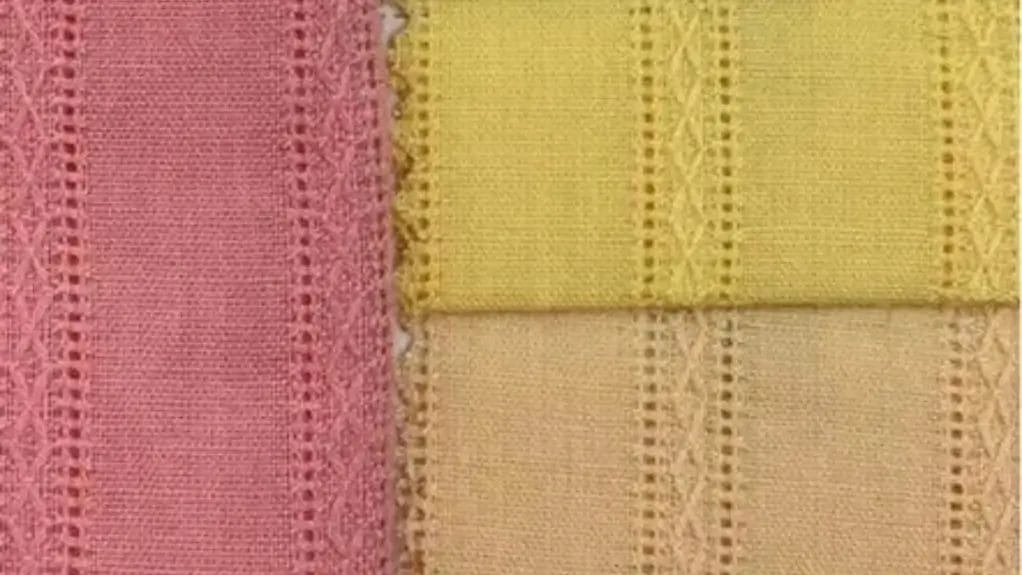
Before you dive into how to identify dobby weave, it helps to understand what it actually is. Dobby is not a fiber, like cotton or silk. It is a way of weaving threads together so they form small geometric patterns that are part of the cloth itself. The pattern is built right into the fabric instead of printed or stamped on top.
Dobby weave became popular in the 1840s, when weavers started using a special attachment to make patterned fabrics faster and more affordably. Before that, complex patterns were mostly made on Jacquard looms and were reserved for fancy fabrics. The dobby method sat in between plain weave and Jacquard, adding more interest without the high cost.
The Dobby Loom: The Technology Behind The Texture
A dobby loom is the machine that makes this weave possible. On a simple loom, warp threads lift and lower in a basic pattern to create plain weave. A dobby loom can raise and lower small groups of warp threads in more varied sequences, which lets the weaver form those tiny diamonds, dots, ribs, and other shapes.
After the weaving is done, finishing steps like dyeing, softening, and gentle pressing bring out the texture even more. You may notice extra sheen on mercerized cotton dobby or a very smooth touch on silk dobby. All of this explains why dobby fabrics look and feel more dimensional than plain fabrics, even when they are the same fiber.
The Signature Look Of Dobby Weave: Visual Identification

When you are learning how to identify dobby weave, your eyes are the first tools you use. The key sign is that the pattern is part of the weave, not just a printed image on the surface. If you look closely, the shapes form from how the threads cross each other, and the pattern often appears on both sides, even if one side is more clear.
Dobby patterns are usually small and geometric. You might see tiny squares, slim stripes, diamonds, dots, bird’s-eye patterns, or a fine grid. In many cases, you can cover a full repeat of the design with your thumb, which is much smaller than the sweeping patterns seen in Jacquard fabrics.
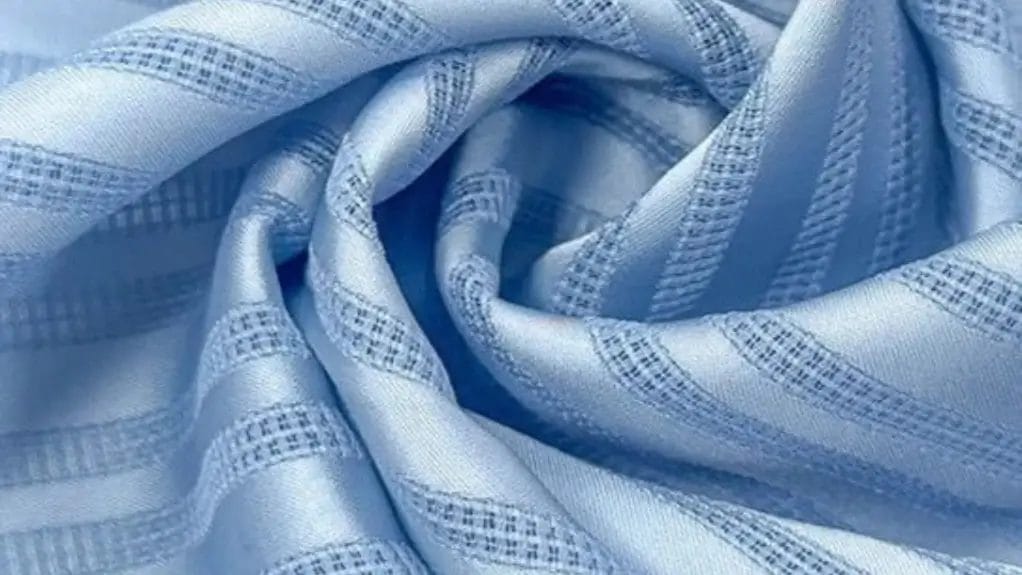
Another helpful trick is to tilt the fabric under a light. The raised parts catch the light and look brighter, while the low areas look a bit darker. This shifting effect is one of the prettiest things about dobby fabrics and helps you tell them apart from flat plain weaves or simple printed cottons.
Spotting Dobby In Striped And Checkered Fabrics
Dobby weave often hides inside fabrics that already have printed or yarn-dyed patterns, like stripes and checks. In these cases, the dobby pattern sits inside each stripe or block of color and adds a second layer of detail. You might not see it right away unless you look closely.
A helpful trick is to pick one stripe or one colored square and study only that area. If you notice tiny diamonds, dots, ribs, or waffle textures woven inside that stripe, then you are looking at a dobby effect. The base stripe provides color, while the dobby weave adds texture and depth on top.
Common Dobby Patterns You'll Recognize
Certain dobby patterns show up so often that they become easy reference points in your mind. Piqué is probably the one you already know. It has a waffle or honeycomb surface and is the classic choice for polo shirts. If you run your fingers over a polo shirt and feel those tiny raised pockets, that is dobby at work.
The Telltale Touch: Identifying Dobby Weave By Feel
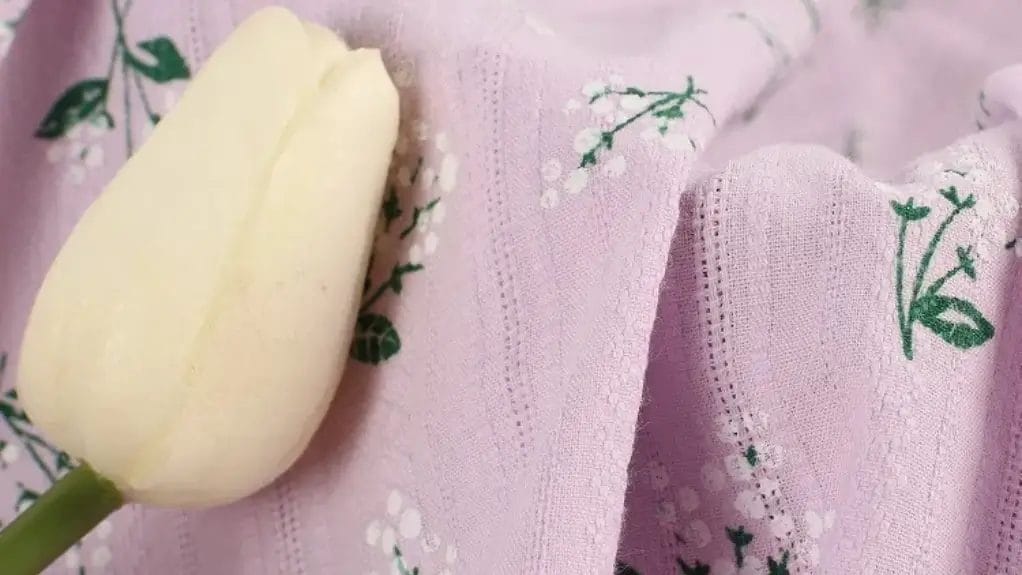
Your hands are often better than your eyes when you are trying to decide how to identify dobby weave. While some patterns are hard to see in low light or in solid colors, the texture almost always gives them away. When you slide your fingers across dobby fabric, you feel a mix of smooth base and raised details.
Plain weave fabrics feel flat and even. Twill weaves feel like regular diagonal ridges, and satin feels very smooth and slippery. Dobby fabric sits in between these. It feels soft but slightly bumpy, with small repeating shapes you can trace with your fingertips.
The Three-Step Touch Test
When you are standing in a fabric store or digging through your stash, this simple three-step touch test helps you decide if you are holding a dobby weave:
-
Surface check
Lay the fabric flat on your hand and slide your fingers across it. Notice whether it feels flat or if you can feel small bumps, ribs, or waffle-like areas forming a repeating design. A gentle, even texture with clear little shapes is a strong hint that you are touching dobby. -
Weight and body
Pick up a larger piece and pay attention to the weight. Think about how heavy this fabric feels compared with a plain cotton of similar thickness. Dobby often feels a bit more substantial and holds itself more firmly in your hand, even in lighter fabrics. -
Drape test
Hold one edge and let the rest hang down. Watch how it drapes. Dobby fabric usually keeps soft but defined folds and does not cling to itself the way very drapey fabrics do. When you combine what you see with what you feel, you quickly build confidence in spotting dobby without needing any labels.
Dobby Weave Across Different Fibers: What To Expect
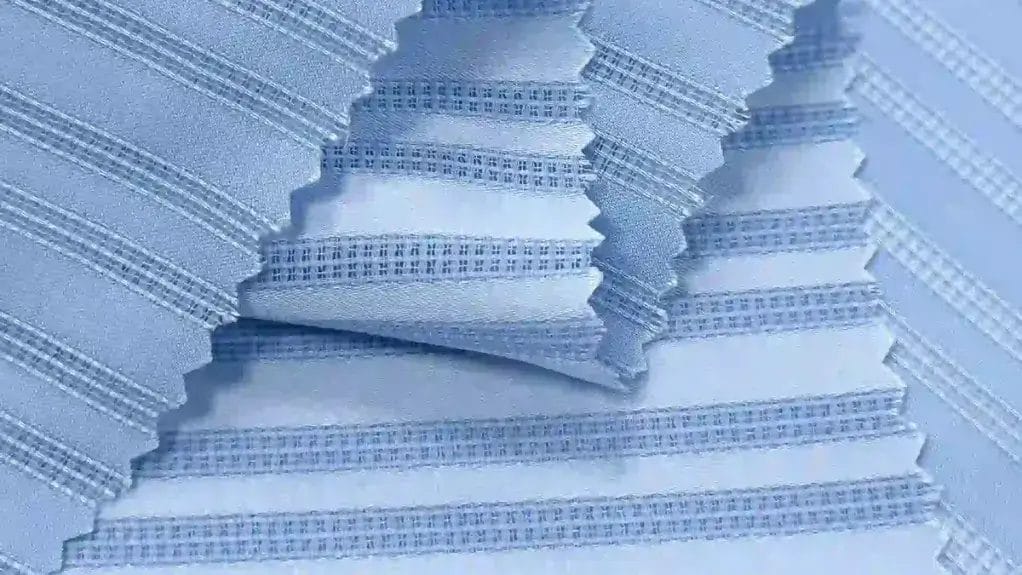
Because dobby is a weave, not a fiber, you can find it in many different materials. The weave provides the texture and pattern, while the fiber decides things like breathability, sheen, and how easy the fabric is to press. When you understand both, you can choose fabrics that behave exactly how you want.
Cotton Dobby: The Versatile Favorite
Cotton dobby is soft, breathable, and easy to care for, which makes it a go-to choice for many makers. The weave gives it more interest than plain cotton while still keeping it comfortable and familiar to sew with. You can wash it at home and press it without stress, which is perfect when you want everyday wear pieces.
This fabric shines in warm-weather garments like summer dresses, button-down shirts, blouses, and shorts. Piqué, the typical polo shirt fabric, is a type of cotton dobby with that well-known waffle or honeycomb surface. When it is made from high-quality cotton, such as Egyptian cotton, it feels especially smooth and lasts a long time.
Cotton dobby also works nicely for pillowcases, light curtains, and other soft home décor. If you are new to textured weaves, starting with cotton dobby from Longan Craft is a gentle first step that still gives your projects a polished look.
Silk Dobby: Luxurious Texture Meets Elegant Sheen
Silk dobby combines the subtle pattern of the weave with silk’s natural shine. When light hits the surface, the raised areas gleam a little differently than the flat areas, creating beautiful depth even when the fabric is a solid color. The result is eye-catching but still tasteful.
You can use silk dobby for formal dresses, special-occasion blouses, and skirts that move softly as you walk. It also looks lovely in decorative items like curtains, pillow covers, or even a special duvet cover. Because silk is more delicate, you usually hand wash or dry clean these pieces and store them with more care.
Linen Dobby: Natural Beauty With Structure
Linen dobby brings together the natural, slightly slubby look of linen with the organized texture of dobby patterns. The fabric looks relaxed but still designed, which fits very well with modern, simple styles. You see the tiny geometric shapes sitting on top of linen’s natural grain.
Because linen breathes so well, linen dobby is excellent for summer garments like shirts, dresses, and light pants. It feels cool against the skin, even on hot days. The crisp hand gives your projects more structure, so collars, cuffs, and hems keep a defined line.
This type of dobby also suits tablecloths, napkins, and cushion covers when you want a natural look that still feels thoughtful and finished.
Synthetic Dobby: Practical Performance
Synthetic dobby fabrics, often made from polyester, nylon, or blends, focus on performance and easy care. They keep the classic dobby texture but add wrinkle resistance, strong durability, and very simple washing. You can usually toss these fabrics into the washer and dryer with little fuss.
These fabrics make sense for items that get a lot of wear, such as kids’ clothes, work uniforms, and bags. They also hold up well in light upholstery projects, like cushion covers or chair seats, where you want the texture but also need strength.
Dobby Weave vs Jacquard Weave: Clearing Up The Confusion
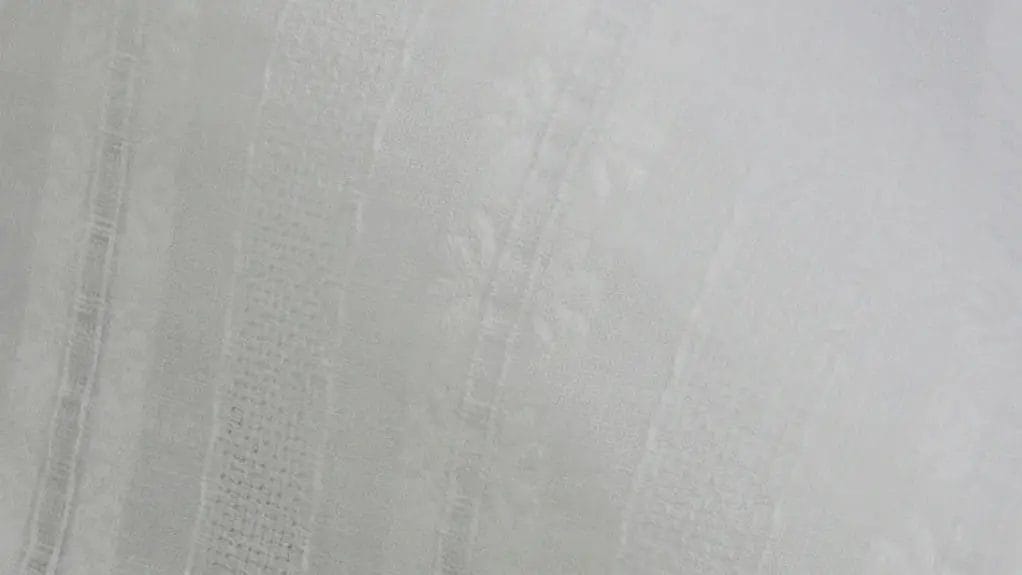
It is easy to mix up dobby weave with jacquard weave, because both have patterns woven into the fabric instead of printed on top. Knowing the difference will make you feel much more confident when you sort through fabrics or read product descriptions.
Pattern Size And Complexity: The Primary Difference
Dobby patterns are small and simple. Think of diamonds, dots, tiny squares, fine lines, or neat bird’s-eye shapes repeating over and over. In many cases, you can place your thumb over the cloth and cover one full repeat of the design. That “thumbnail test” is a handy rule when you are guessing between dobby and Jacquard.
Jacquard patterns, on the other hand, tend to be larger, flowing, and detailed. They show pictures such as roses, paisleys, scrolls, or formal damask shapes that may stretch across a big section of the fabric. The designs can curve and look more like drawings than geometric tiles.
If a fabric reminds you of a crisp polo shirt or textured shirt fabric, you are likely looking at dobby. If it reminds you of a fancy brocade curtain or a formal evening dress, that is usually Jacquard.
Loom Technology And Price Point
The way the two fabrics are woven also affects price. A dobby loom controls groups of warp threads together, so it can create many patterns but still has some limits. This keeps weaving time and setup simpler, which usually makes dobby fabrics more affordable.
A jacquard loom can control each warp thread on its own. That means the weaver can draw almost any design, but the setup is more detailed and the weaving process takes longer. Those extra steps often show up in the fabric price.
For you as a sewer, dobby offers a textured, refined look without the higher cost of Jacquard. Both are useful in a fabric stash, but dobby is often the better everyday choice when you want pattern and texture on a budget.
Quick Reference Comparison
| Feature | Dobby Weave | Jacquard Weave |
|---|---|---|
| Pattern scale | Small, often thumb-sized repeats | Large repeats that can span big sections of fabric |
| Pattern style | Geometric, structured, repeating motifs | Curvy, intricate, sometimes picture-like designs |
| Typical price | Moderate and budget friendly | Higher, especially in luxury fibers |
| Common uses | Shirts, casual wear, skirts, light home décor | Formal wear, upholstery, decorative drapes and bed covers |
When To Choose Dobby Weave For Your Projects
Once you know how to identify dobby weave, the next step is knowing when to pick it on purpose. The texture, body, and small patterns give you tools to shape how a project looks and feels. You can use these tools to make simple sewing patterns look more polished without adding tricky construction steps.
Perfect Dobby Apparel Projects
Dobby is a star in dress shirts and blouses. When you sew a solid-color shirt from dobby fabric, the woven texture keeps it from looking flat or dull. You do not have to match printed motifs across seams, yet the finished piece still looks professional and thoughtful.
Lightweight cotton or linen dobby makes excellent summer tops and tunics. These tops feel cool but still have enough structure to stay neat through the day. Dobby shirts also work very well as layering pieces under sweaters, cardigans, or blazers when you want texture peeking out at the collar and cuffs.
Dobby For Home Décor Projects
Dobby fabrics are just as helpful around the home as they are in your closet. Curtains and window treatments made from dobby hang with nice folds, and the subtle texture catches light in a gentle way. You get pattern interest without overwhelming a room.
High-quality cotton or silk dobby makes pillowcases and bedding that look rich and feel pleasant against the skin. The tiny raised designs add depth to solid-color beds, which is especially nice in calm, simple bedrooms. On a table, dobby tablecloths, napkins, and placemats look more refined than flat cotton while still washing easily.
Seasonal Versatility: Year-Round Appeal
Dobby weave can work in every season when you match it with the right fiber and weight. In summer, lightweight cotton and linen dobby stay breathable and help move moisture away from your skin. The texture adds style without trapping too much heat.
In colder months, heavier cotton or synthetic dobby holds warmth better and layers nicely. Shirts, skirts, and dresses in these fabrics pair well with tights, sweaters, and jackets because they do not cling too much and hold their shape under other layers.
Medium-weight dobby is perfect for spring and fall, when you need clothes that work with changing temperatures. Building a small collection of dobby fabrics in different weights and fibers gives you options all year.
Tips For Buying And Working With Dobby Fabrics
Knowing how to identify dobby weave is only half the story. The next step is using that skill while you shop and sew. A bit of extra attention when buying and a few simple habits at the sewing machine can make your dobby projects look clean and last longer.
What To Look For When Shopping
When you shop in person, use both your eyes and your hands to confirm that a fabric is truly dobby. Look closely for woven-in geometric patterns and flip the fabric over to see the design on the back. Then feel for the small raised areas that separate dobby from plain weave.
It helps to:
- Read the fiber content label so you know how the fabric will breathe, wrinkle, and wash.
- Check the pattern scale, especially for garments. Smaller items often look better with smaller patterns, while larger pieces can handle slightly bigger textures.
- Assess weight and thread density by holding the fabric up to the light and feeling how thick it is. Decide whether you want a softer drape or a crisper hand.
- Study the color and texture together. Matching thread colors will give you subtle texture, while contrast will make the design stand out more.
When you shop online, swatches are very helpful. Longan Craft offers detailed fabric information and, when possible, samples so you can see the dobby pattern and feel the weight before you commit.
Sewing With Dobby: Practical Tips
Before you start cutting, prewash your dobby fabric the way you plan to care for the finished item. This step reduces shrinkage and lets the texture settle into its final look. After drying, press gently so the fabric lies flat without crushing the raised design.
When cutting, you might find that pen markings are harder to see on textured surfaces. Tailor’s chalk, washable fabric markers, or thread tracing can stand out better. If your dobby has a clear direction in its pattern, plan your layout so all pieces run the same way, especially on garments.
Use a needle that matches the fiber and weight, such as a universal or sharp needle for cotton and a finer one for silk. The weave itself does not need any special needle type. When pressing seams, use a press cloth and steam lightly. Too much pressure can flatten the texture more than you want.
Because dobby adds a little thickness, seam finishes that enclose raw edges, like French seams or flat-felled seams, look very clean. The structured nature of dobby helps pieces go together neatly, which makes it a friendly fabric even if you are still building sewing skills.
Conclusion
Learning how to identify dobby weave is like learning a new language in fabric form. Once you see and feel the signs, they start to make sense everywhere you look. Tiny woven patterns instead of surface prints and gentle raised textures become clear clues that you will notice in shirts, skirts, curtains, and more.
FAQs
Can You Print Patterns On Dobby Weave Fabric?
You can absolutely have printed designs on dobby weave fabric. The woven pattern sits in the structure of the cloth, and a print can be applied on top, which creates a layered look. The texture underneath gives the print more depth and interest than a flat base.
Is Piqué The Same As Dobby Weave?
Piqué is a specific style within the larger family of dobby weaves. It is made on a dobby loom and is known for its waffle or honeycomb surface, which you see in classic polo shirts. The raised areas and little pockets are shaped by the same sort of warp and weft control used in other dobby designs.
Is Dobby Weave More Expensive Than Plain Weave?
Dobby fabrics are often a bit more expensive than plain weave fabrics made from the same fiber. This difference comes from the extra work in designing and weaving the patterned structure. Even so, dobby is usually still more affordable than Jacquard, which needs more complex loom control.
Does Dobby Weave Wrinkle Easily?
How much dobby fabric wrinkles depends mostly on the fiber, not the weave. Cotton and linen dobby wrinkle in similar ways to plain cotton and linen, especially if they are not blended with other fibers. Synthetic dobby, such as polyester or nylon, usually resists wrinkles much better.
Can Beginners Work With Dobby Fabric?
Dobby fabrics are a great choice for beginners. The extra body in the weave makes cutting and sewing easier than with very slippery or very drapey fabrics. Pieces tend to stay where you pin them, and seams press neatly with gentle heat.
Where Can I Find Quality Dobby Fabric?
You can find good dobby fabrics at fabric stores that focus on garment and home décor textiles, both online and in person. Longan Craft offers a carefully chosen range of dobby fabrics in different fibers and weights, with clear descriptions to help you understand what you are getting.
0 comments