

You'll find that dyeing flannel fabric can transform your worn-out pieces into fresh, custom creations. Whether you're working with cotton or wool flannel, the dyeing process requires specific techniques to achieve professional results. The key lies in proper preparation, dye selection, and application methods that complement flannel's unique weave structure. Before you start this color transformation journey, you'll need to understand the essential steps that guarantee vibrant, lasting results.
Key Takeaways
- Pre-wash white or light-colored flannel fabric to remove sizing and residues, ensuring better dye absorption.
- Prepare dye bath using hot water (190°F) and salt, stirring until dye dissolves completely.
- Submerge fabric in dye bath, maintaining temperature between 140-160°F while stirring continuously for even color distribution.
- Rinse dyed flannel in progressively cooler water until it runs clear, then gently squeeze out excess moisture.
- Dry flannel in shade, and wash separately in cold water for the first few cycles to maintain color.
Preparing Flannel Fabric for Dyeing
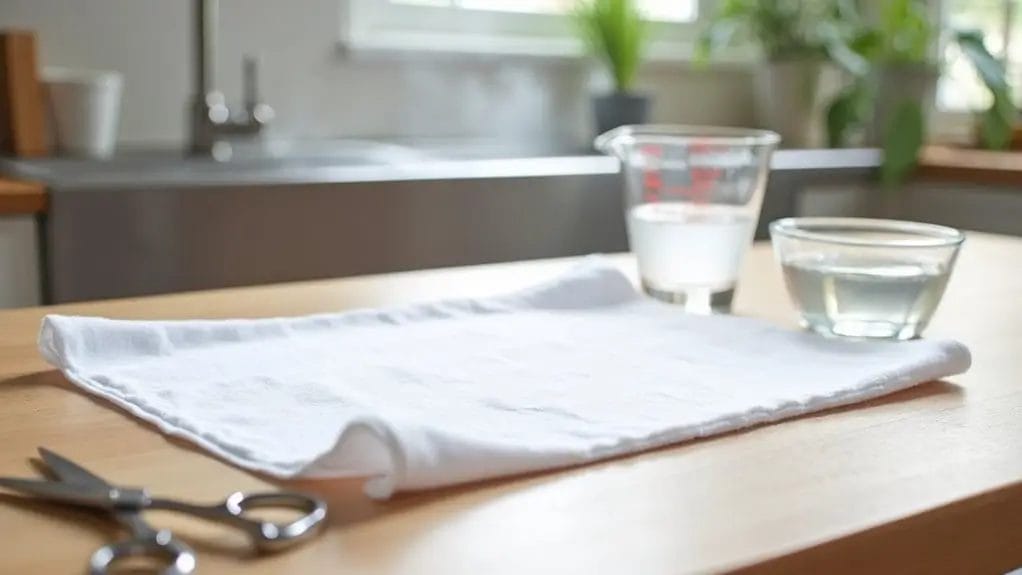
Before dyeing flannel, you'll need to select a fabric that's primarily cotton or wool, as synthetic blends won't accept dye effectively.
You must pre-wash your flannel to remove any sizing, oils, or manufacturing residues that could interfere with dye absorption.
Thoroughly dry and press the fabric to guarantee even dye penetration across the signature brushed surface of your flannel.
Choosing the Right Flannel Fabric
Selecting suitable flannel fabric for dyeing requires understanding its fiber composition, as different materials accept dye differently. Natural fibers like 100% cotton flannel will absorb dye most effectively, creating vibrant, long-lasting results.
You'll want to avoid synthetic blends, as polyester content can resist dye absorption and create uneven coloring.
Check your fabric's label carefully - if it's marked as "brushed cotton" or "cotton flannel," you're on the right track. Pre-washed material works best, as any sizing or protective coatings have already been removed.
For best results, choose white or light-colored natural flannel that hasn't been chemically treated or bleached.
Pre-Washing and Preparing Flannel
To achieve ideal dye absorption, you'll need to thoroughly pre-wash your flannel fabric to remove any manufacturing residues, oils, or dirt that could interfere with the dyeing process. Use hot water and a mild detergent to wash the material, then rinse until the water runs clear.
- Protect your hands with chemical-resistant gloves during pre-treatment.
- Wash the flannel in water that's at least 140°F (60°C) to open the fibers.
- Remove any loose threads or damaged areas from the fabric.
- Test a small corner of the fabric for colorfastness and fiber reaction.
Dry your flannel completely before proceeding with the dye process.
Easy DIY Dye Techniques for Flannel
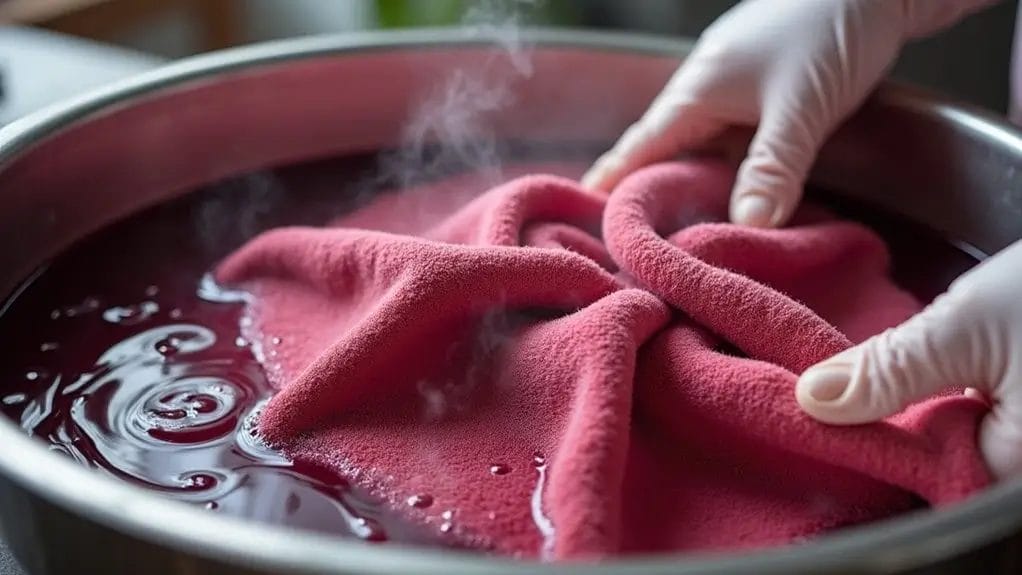
When dyeing flannel at home, you'll need to choose between synthetic fabric dyes that bond with cotton fibers or natural dye sources like plant materials and food waste.
You can achieve even color distribution through traditional dip-dyeing methods, where you'll submerge the fabric completely in a heated dye bath while stirring continuously.
For more artistic effects, tie-dye techniques work particularly well on flannel's textured surface, allowing you to create patterns by folding, twisting, or binding sections of the fabric before applying dye.
Using Fabric Dye at Home
Although dyeing flannel fabric may seem challenging, you'll find the process straightforward with the right preparation and materials.
Create your dye bath by combining hot water in a container with your chosen fabric dye. Mix thoroughly until the dye completely dissolves.
- Pre-soak your flannel in warm water to guarantee even dye absorption.
- Submerge the fabric fully in the dye bath, stirring constantly for the first 10 minutes.
- Maintain water temperature between 140-160°F for ideal dye penetration.
- Test color saturation by lifting a small section above the dye bath.
Keep the fabric moving periodically during the dyeing process to prevent uneven coloring.
Natural Dye Methods for Flannel
For those seeking eco-friendly alternatives to synthetic dyes, natural dyeing methods offer beautiful, unique colors for flannel fabric.
You'll need to mordant your flannel first using alum to help the organic dyes bind to the fibers.
Common natural dye techniques include using onion skins for orange-brown tones, avocado pits for pink hues, and indigo leaves for blue shades.
Simmer your chosen materials in water, strain the dye bath, then submerge your pre-mordanted flannel.
Different fiber compositions may affect color absorption - cotton flannel typically takes dye more readily than wool flannel.
Dip Dyeing Flannel Fabric
Dip dyeing offers a straightforward approach to creating gradient effects and ombré patterns on flannel fabric.
You'll need to prepare your dyed flannel by pre-washing and dampening it before beginning the process.
- Start by mixing your dye solution in a tall container that allows vertical submersion of your flannel fabric.
- Gradually submerge sections of the fabric, holding each level for different time periods to create color variation.
- Keep the fabric taut while dipping to guarantee clean shift lines between colors.
- Remove the fabric slowly to maintain the gradient effect, then rinse until water runs clear.
Let the fabric dry completely before handling or wearing.
Tie-Dye Techniques on Flannel
The classic tie-dye technique works exceptionally well on flannel's brushed cotton surface, creating vibrant patterns that penetrate deeply into the fabric's raised fibers.
You'll achieve the best results by folding your flannel while it's dry, securing it tightly with rubber bands to create distinct sections.
To develop one-of-a-kind patterns, try spiral folding, accordion pleating, or crumpling.
Apply your chosen dye colors strategically, working from light to dark shades. The napped texture of flannel helps the dye spread naturally through the fibers, resulting in soft color gradations and unique designs that become permanently locked into the fabric's structure.
Step-by-Step Guide to Dyeing Flannel Fabrics
You'll need fabric dye, salt, hot water, and a large stainless steel pot to begin the flannel dyeing process, ensuring the materials are properly measured according to the fabric's weight.
The dye bath preparation involves dissolving the dye in hot water, adding salt to promote even absorption, and maintaining a consistent temperature of 140-160°F while you submerge and agitate the pre-wetted flannel.
After 30-60 minutes of dyeing, you'll need to rinse the fabric in progressively cooler water until it runs clear, then machine wash it separately before air-drying flat to prevent the napped surface from matting.
Materials Needed
Proper preparation requires gathering all essential materials before beginning the flannel dyeing process.
You'll need to protect your workspace and assemble the right tools to achieve professional results when dyeing your flannel fabric.
- Dye in your chosen color, plus measuring cups and stainless steel spoons.
- Protective gear: rubber gloves, plastic table cover, old clothing or apron.
- Large stainless steel pot or plastic basin, plus stirring utensils.
- Essentials: hot water, dish soap, salt, paper towels, and a timer.
Keep these materials within easy reach to facilitate a smooth, uninterrupted dyeing process.
Preparing the Dye Bath
With your materials at hand, begin preparing the dye bath by heating 3 gallons of water to just below boiling (190°F) in your stainless steel pot.
Next, add one cup of salt to help the dye bind effectively to the flannel fibers.
Pour your chosen dye into the container and stir thoroughly until it's completely dissolved.
If you're using black dye, you'll need to double the amount for ideal coverage.
Keep the water temperature steady while stirring continuously to prevent uneven distribution.
Test the mixture by dipping a white cloth - it should come out slightly darker than your desired shade.
Dyeing Process
Before immersing your flannel, carefully lower the dampened fabric into the dye bath using a stirring rod or wooden spoon.
While applying the dye, maintain a constant temperature of 180°F for ideal color absorption. Stir continuously for 30-45 minutes to guarantee even coverage.
- Watch as the fibers gradually absorb the dye, transforming from their original shade.
- Notice the dye bath becoming progressively clearer as the fabric takes up the color.
- Monitor the temperature with a thermometer to prevent uneven dyeing.
- Check fabric samples periodically to assess color intensity.
Once the desired shade is achieved, rinse your flannel in gradually cooler water until it runs clear.
Rinsing and Drying Dyed Flannel
After removing your flannel from the dye bath, you'll need to rinse it thoroughly to prevent color bleeding and guarantee colorfastness.
Begin with cold water rinses, gradually increasing the temperature until the water runs clear. This process helps set the dye within the fabric fibers.
Gently squeeze out excess water without wringing or twisting the material.
Lay your flannel flat on clean white towels and roll them together to absorb moisture.
Finally, hang your clothing to dry in a shaded area, as direct sunlight can fade the new color.
For best results, dry the fabric completely before wearing or washing.
Tips for Best Results with Dyed Flannel
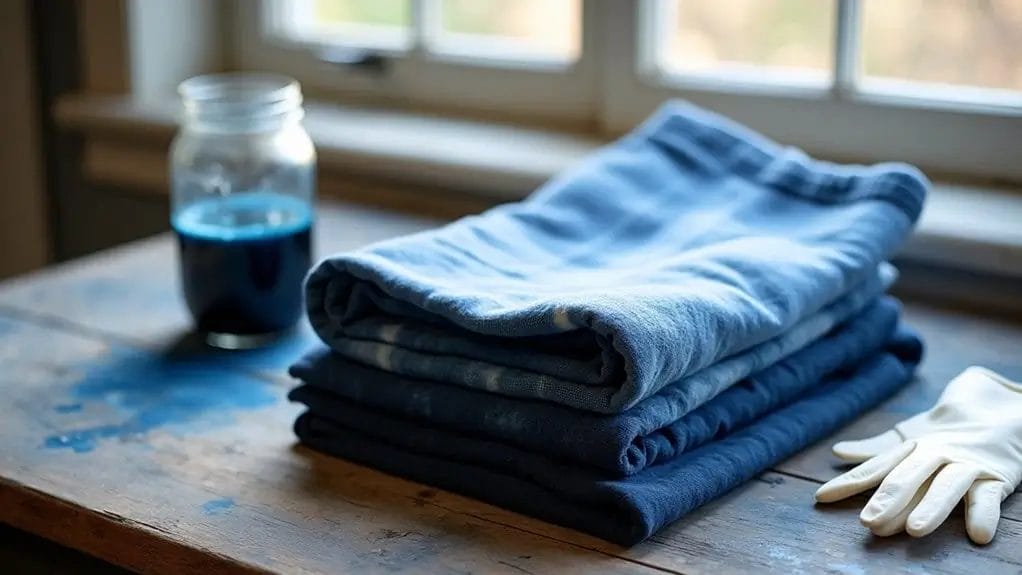
You'll minimize color bleeding by pre-treating your flannel with a color fixative and washing it separately for the first few cycles after dyeing.
To achieve vibrant, long-lasting color, maintain ideal water temperature throughout the dyeing process and guarantee thorough agitation of the fabric in the dye bath.
Preserve your dyed flannel's appearance by washing it in cold water with gentle detergent and avoiding harsh cleaning agents that can strip the color from the wool or cotton fibers.
Avoiding Color Bleeding
When working with dyed flannel, preventing color bleeding requires specific precautions to maintain the fabric's integrity and color fastness.
To prevent dye transfer and protect your fabric investment, follow these essential steps:
Apply dye fixative immediately after dyeing but before the first wash to lock in color molecules.
Rinse in cold water repeatedly until the water runs completely clear, checking between each rinse.
Wash dyed flannel separately from other garments for the first 3-4 washes to prevent cross-contamination.
Use color-catching sheets in the wash cycle to trap any loose dye particles that might bleed.
Enhancing Color Vibrancy
Getting vibrant colors in your dyed flannel involves more than just preventing bleeding - it requires specific techniques to maximize dye absorption and retention.
Begin by scouring your flannel in hot water with a professional textile detergent to remove any sizing or oils. To enhance color uptake, add a dye fixative to your dye bath and maintain the temperature at 185°F. Keep the fabric moving constantly for even distribution.
After dyeing, clear any excess pigments with a cold water rinse until the water runs clear. Finish by heat-setting your dyed flannel with an iron or dryer to lock in the vibrant color permanently.
Caring for Dyed Flannel Fabric
Proper care of dyed flannel fabric requires specific maintenance techniques to preserve both color intensity and fiber integrity.
To maintain your newly dyed garment, follow these essential care practices:
Wash your dyed flannel separately in cold water for the first 3-5 washes to prevent unabsorbed dye from bleeding.
Apply dye fixative with a spray to both sides of the jacket or item before the first wash.
Store flannel pieces flat or hung to maintain fiber alignment and prevent stretching.
Use gentle, pH-neutral detergents specifically formulated for dyed natural fibers, and avoid fabric softeners that can degrade color retention.
Creative Ideas Using Dyed Flannel
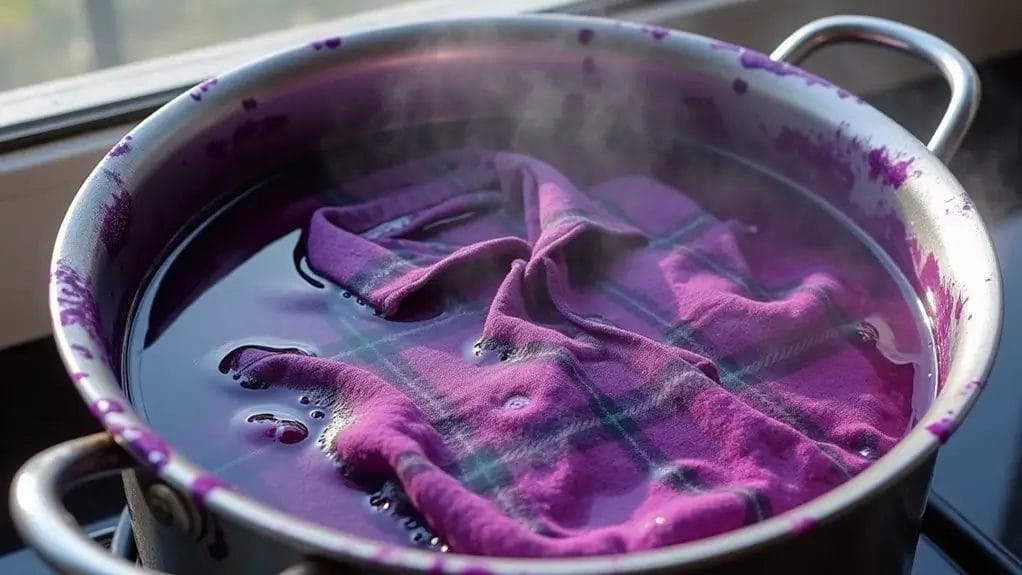
You can transform your existing flannel wardrobe by overdyeing faded shirts, jackets, and accessories to create fresh, personalized pieces.
Your dyed flannel fabric becomes versatile material for crafting quilts, throw pillows, tote bags, and table linens that showcase the textile's distinctive napped surface.
Consider combining different dye techniques like tie-dye, ombré, or color blocking to develop one-of-a-kind flannel items that highlight the fabric's cozy texture while expressing your creativity.
Updating Your Wardrobe with Dyed Flannel Fabrics
Once your flannel fabric has been successfully dyed, countless creative possibilities emerge for revitalizing your wardrobe. After ensuring proper dye fixative application, you can transform existing pieces into fresh fashion statements.
- Convert an oversized flannel shirt into a trendy cropped version with raw edges.
- Add dip-dyed ombré effects to shirt cuffs and hemlines.
- Transform solid-colored pieces with strategic tie-dye patterns.
- Create two-toned effects by dipping diagonal sections of your garment.
Each piece becomes unique through careful dye application.
Remember to pre-wash your items and test dye reactions on fabric scraps before committing to full garment transformation.
DIY Projects with Dyed Flannel Fabric
After mastering the art of dyeing flannel, creative DIY projects can transform your newly colored fabric into practical and decorative items.
You'll find endless uses for your dyed flannel, from making cozy throw pillows to crafting quilted wall hangings. Create custom table runners that won't spill drinks through their dense fibers, or fashion unique clothing accessories like scarves and headbands.
Consider sewing patchwork blankets by combining different dye patterns, or construct sturdy tote bags that showcase your color work. Repurpose smaller fabric pieces into drink coasters, ornaments, or fabric-covered storage boxes.
Frequently Asked Questions
Can I Dye Flannel Fabric That Already Has a Printed Pattern?
You'll achieve mixed results dyeing patterned flannel, as existing prints resist dye absorption. The base fabric will take color, but printed areas won't dye evenly, creating an unpredictable mottled effect.
How Long Will the Dyed Color Last on Flannel Fabric?
You'll get the longest-lasting color when you use fiber-reactive dyes, which chemically bond with flannel's cotton fibers. With proper washing in cold water, your dye job should last several years.
Will Dyeing Flannel Fabric Affect Its Softness and Warmth?
You'll notice minimal impact on flannel's softness and warmth, as dye molecules bond between fiber structures. The napped surface texture and heat-retaining properties remain largely unchanged during proper dyeing processes.
Can I Mix Different Dye Colors to Create Custom Shades?
You can combine fabric dyes to create custom colors, but you'll need to carefully measure ratios and test swatches first to guarantee consistent results across your flannel's cotton fibers.
Is It Possible to Remove or Lighten Dye From Flannel?
You can lighten dyed flannel using color removers or bleaching agents, but you'll need to monitor closely to prevent fiber damage. Oxygen-based bleach offers a gentler approach than chlorine bleach.
Conclusion
You'll find that dyeing flannel adds vibrant possibilities to your textile projects. Whether you're working with cotton or wool flannel, proper preparation and dye technique selection remain essential for ideal results. Remember to set your dyes correctly through heat or chemical fixatives, and always test a sample first. By following these fiber-specific processes and maintaining proper temperature control, you'll achieve professional-quality dyed flannel pieces for your next project.
0 comments