

When you're selecting fabrics for your baby's clothes, you'll need to navigate through countless options while considering essential factors like safety, comfort, and durability. The right fabric can prevent skin irritation, regulate temperature, and withstand frequent washing, while the wrong choice might expose your infant to harmful chemicals or cause discomfort. Understanding the key differences between natural and synthetic materials, along with specific fabric properties, will help you make informed decisions for your little one's wardrobe.
Key Takeaways
- Choose organic cotton or bamboo fabrics for their natural breathability, chemical-free composition, and gentle touch on sensitive baby skin.
- Select materials with moisture-wicking properties like merino wool or quality cotton to keep babies dry and comfortable.
- Look for certifications like GOTS and OEKO-TEX to ensure fabrics are free from harmful substances and sustainably produced.
- Pre-wash all baby clothes with gentle detergents to remove residual chemicals and enhance fabric softness before first use.
- Avoid synthetic materials, chemically treated fabrics, and rough textures that can cause skin irritation or overheating.
Types of Fabrics for Babies
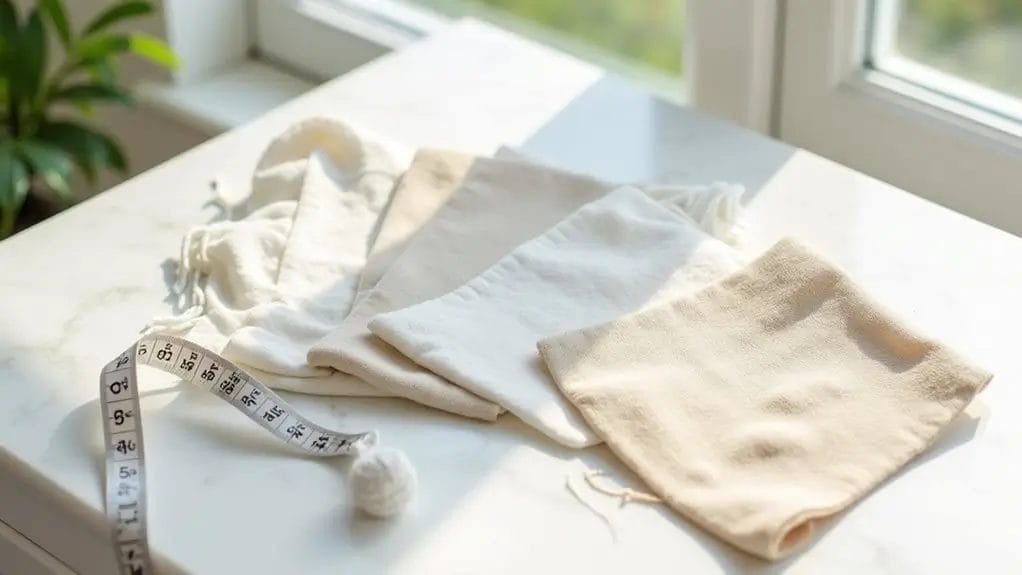
When selecting fabrics for your baby's clothing, you'll find natural fibers like organic cotton and bamboo offer superior breathability and hypoallergenic properties.
Wool, particularly merino varieties, provides excellent temperature regulation while silk delivers exceptional softness and moisture-wicking capabilities.
Linen stands out as a highly durable option that becomes softer with each wash while maintaining its structural integrity and breathability.
Organic Cotton
Since organic cotton is cultivated without synthetic pesticides or harmful chemicals, it's an ideal choice for a baby's sensitive skin. This hypoallergenic fabric provides superior breathability while maintaining durability through multiple washes.
| Feature | Benefit |
|---|---|
| Chemical-free | Reduces skin irritation |
| Biodegradable | Eco-friendly disposal |
| Sustainable | Lower environmental impact |
You'll find that organic cotton's natural fibers become softer with each wash, unlike conventional cotton. Its eco-friendly production process guarantees you're making a responsible choice while protecting your baby's delicate skin. The fabric's natural moisture-wicking properties help regulate your infant's body temperature, preventing overheating and discomfort.
Bamboo
Bamboo fabric offers remarkable versatility for baby clothing due to its unique combination of softness and durability.
You'll find this eco-friendly material naturally hypoallergenic, making it ideal for your baby's sensitive skin. Its moisture-wicking properties help regulate your little one's body temperature while preventing bacterial growth.
When selecting bamboo garments, you'll notice they're soft and gentle against the skin, yet maintain their shape after multiple washes.
The fabric's natural UV protection adds an extra layer of safety for your baby's delicate skin. While bamboo items may cost more initially, their longevity and superior comfort justify the investment.
Wool
While bamboo represents modern innovation in baby fabrics, wool stands as a time-tested natural fiber with exceptional properties for infant clothing.
You'll find wool's natural moisture-wicking abilities keep your baby's skin dry, while its breathable structure regulates temperature effectively in both warm and cool conditions.
For sensitive skin, opt for merino wool, which features finer, softer fibers that won't cause irritation.
This premium variety eliminates the itchiness often associated with traditional wool.
It's also naturally antibacterial and requires less frequent washing, as it self-cleans through air exposure.
When selecting wool garments, check for certification ensuring high-quality processing standards.
Silk
As one of the most luxurious natural fibers available, silk offers exceptional benefits for baby clothing due to its smooth texture and temperature-regulating properties. When you're choosing silk for your baby's delicate skin, you'll find it's naturally hypoallergenic and helps regulate body temperature effectively.
| Feature | Benefit | Evaluation |
|---|---|---|
| Texture | Ultra-smooth | Requires gentle washing |
| Breathability | Temperature control | Premium pricing |
| Composition | Protein fibers | Special care needed |
| Durability | Moderate strength | Hand wash recommended |
| Allergens | Hypoallergenic | Avoid harsh detergents |
While silk provides unmatched comfort, you'll need to evaluate its maintenance requirements and higher cost compared to other natural fabrics. It's particularly suitable for special occasions and babies with sensitive skin conditions.
Linen
Known for its exceptional durability and breathability, linen stands out as an excellent choice for baby clothing, particularly in warmer climates. This natural, hypoallergenic fabric, derived from flax plants, offers superior moisture-wicking properties that help regulate your baby's body temperature.
- You'll find linen becomes softer with each wash while maintaining its structural integrity.
- Your baby's sensitive skin will benefit from linen's natural antibacterial properties.
- You can count on linen's high air permeability to prevent overheating during hot summer days.
As a breathable fabric, linen's hollow fibers create a cooling effect that's ideal for your baby's delicate skin.
Muslin
Much like linen's cooling properties, muslin fabric offers exceptional breathability for your baby's comfort.
This lightweight, soft fabric features a loose, plain weave that creates tiny air pockets throughout the material, enhancing ventilation and temperature regulation.
You'll find muslin particularly suitable for swaddles, blankets, and summer clothing due to its ability to keep your baby cool while maintaining softness against delicate skin.
The fabric's natural give makes it ideal for swaddling, while its durability improves with each wash.
When selecting muslin items, opt for high-quality cotton muslin to guarantee longevity and maximum comfort.
Terrycloth
Terrycloth's distinctive looped pile structure makes it one of the most absorbent fabrics available for baby clothing and accessories. When you're looking for the best material for baby clothes, you'll find terrycloth excels in moisture-wicking capabilities and softness, making it ideal for bathtime items and everyday wear.
- Consists of uncut loops on both sides of the fabric, maximizing its surface area for superior absorption
- Retains its plush texture even after multiple washes, ensuring long-lasting comfort for your baby
- Available in various weights and densities, allowing you to select the appropriate thickness for specific uses
This versatile fabric's combination of durability and gentleness makes it particularly suitable for towels, robes, and washcloths.
Fleece
When selecting fabrics for baby clothing, fleece stands out as a synthetic material that combines exceptional warmth with lightweight comfort.
You'll find that fleece resists wrinkling, dries quickly, and maintains its shape even after multiple washes. While it's ideal for cold-weather baby clothes, you'll need to monitor your baby's temperature as fleece can cause overheating in warm conditions.
This polyester-based fabric proves most suitable for outerwear and blankets rather than next-to-skin garments.
Though comfortable for babies, fleece's synthetic nature means it's less breathable than natural alternatives, so you'll want to use it strategically in your baby's wardrobe.
Jersey Knit
Jersey knit stands as one of the most versatile and widely used fabrics in baby clothing due to its unique combination of stretch and softness. When you're looking to choose the best fabric for your baby's wardrobe, jersey knit offers exceptional comfort and practicality. This cotton-based material adapts well to your baby's movements while maintaining its shape through multiple washes.
- Features a one-sided knit that's smooth on the outside and textured inside
- Provides excellent breathability while retaining warmth
- Offers natural stretch in all directions without losing structure
The best fabrics for babies often include jersey knit because it's lightweight, durable, and perfect for everyday wear.
Modal
Moving beyond traditional knits, Modal represents a significant advancement in baby fabric technology. This semi-synthetic material offers exceptional durability while maintaining gentleness on sensitive skin. You'll find it's particularly effective for daily wear items.
| Property | Benefit |
|---|---|
| Softness | Silky smooth texture |
| Durability | Maintains shape after washing |
| Breathability | Prevents overheating |
Modal's unique cellulose structure makes it 50% more absorbent than cotton, while its resistance to shrinkage guarantees longevity. When selecting Modal garments for your baby, look for blends with natural fibers to maximize comfort and performance. The fabric's moisture-wicking properties help regulate your baby's temperature throughout the day.
Lyocell
Similar to Modal, Lyocell stands out as a sustainable cellulosic fiber that's revolutionizing baby clothing manufacturing.
This eco-friendly fabric offers superior moisture management and temperature regulation, making it an excellent choice for babies with sensitive skin or allergies. Unlike bamboo fabric, Lyocell's production process uses less toxic chemicals and water.
- Features closed-loop manufacturing that recycles 99% of the solvent used in production
- Provides natural antibacterial properties without chemical treatments
- Maintains its strength when wet, ensuring durability through multiple washes
Lyocell's silky smooth texture and biodegradable nature make it an ideal sustainable option for conscious parents seeking premium baby wear.
Factors to Consider When Choosing Fabric for Baby Clothes
When selecting fabric for your baby's clothes, you'll need to evaluate essential properties like hypoallergenic characteristics and chemical-free certifications to protect sensitive skin.
The fabric should demonstrate strong breathability and moisture-wicking capabilities while maintaining structural integrity through repeated washing cycles.
You'll also want to take into account the fabric's resistance to wear and tear, as babies grow rapidly and clothing undergoes frequent laundering that can impact both durability and maintenance requirements.
Hypoallergenic Properties
Since babies have particularly sensitive skin, choosing fabrics with hypoallergenic properties is crucial for preventing allergic reactions, rashes, and skin irritation. When selecting fabric for babies, you'll want to prioritize materials that minimize the risk of skin sensitivities while maintaining comfort and breathability.
- Natural fibers like organic cotton, bamboo, and merino wool are inherently hypoallergenic and less likely to cause reactions.
- Chemical-free processing methods guarantee fabrics remain pure and safe for sensitive skin.
- Tightly woven materials help prevent dust mites and other allergens from becoming trapped in the fabric.
The most reliable hypoallergenic options include organic cotton, bamboo rayon, and high-quality merino wool, which provide excellent protection while maintaining comfort.
Breathability and Moisture-wicking
The ability of fabric to allow air circulation and manage moisture plays an essential role in maintaining your baby's comfort and preventing skin irritation.
When evaluating breathability, you'll want to take into account natural fibers like cotton, bamboo, and wool, which excel at allowing air flow through the material. These fabrics effectively regulate your baby's body temperature while preventing overheating.
For ideal moisture-wicking performance, merino wool stands out as it can absorb up to 30% of its weight in moisture without feeling wet.
Synthetic materials like polyester may offer moisture-wicking properties but typically provide less breathability than their natural counterparts.
Resistance to Wear and Tear
Beyond breathability and moisture management, durability becomes a significant factor in fabric selection for baby clothes. When you're considering fabric choice, you'll need to assess how well materials hold up against constant movement, frequent washing, and daily wear.
While synthetic fabric options like polyester offer superior durability, natural fibers can also provide lasting performance when properly selected and maintained.
- Look for reinforced seams and double-stitching, as these features enhance a garment's durability regardless of fabric type.
- Choose tightly woven fabrics that resist pilling and maintain shape after multiple washes.
- Consider blended fabrics that combine natural comfort with synthetic strength for ideal wear resistance.
Ease of Washing and Drying
When selecting fabrics for baby clothes, maintenance requirements play a significant role in determining practicality and long-term value.
You'll find that natural fibers like cotton offer superior ease of maintenance, typically withstanding frequent washing and drying cycles without deterioration. While silk and wool require special care, making them less practical for everyday use, cotton and bamboo can handle regular machine washing.
Consider the fabric's drying time and wrinkle resistance when choosing the best materials for baby clothing.
Synthetic blends often dry quickly and resist wrinkles, but they may not provide the breathability of natural fibers.
Chemical Treatments and Certifications
Moving from maintenance considerations to safety aspects, parents must carefully evaluate chemical treatments and certifications in baby clothing fabrics.
You'll want to prioritize chemical-free and hypoallergenic materials to protect your baby's sensitive skin from harmful additives and potential irritants.
When selecting fabrics, look for trusted eco-friendly certifications that verify sustainable production methods.
- GOTS (Global Organic Textile Standard) certification guarantees organic materials and responsible manufacturing
- OEKO-TEX Standard 100 certification confirms fabrics are free from harmful substances
- MADE SAFE certification verifies products are made without known toxic chemicals, carcinogens, or endocrine disruptors
Environmental Impact
As environmental consciousness grows among parents, the ecological footprint of baby clothing has become a crucial consideration in fabric selection. When you're choosing fabrics, consider both immediate and long-term environmental impacts.
| Material | Environmental Impact |
|---|---|
| Organic Cotton | Low pesticide use, high water consumption |
| Bamboo | Fast-growing, minimal water needs |
| Hemp | Low water usage, natural pest resistance |
| Synthetic | High carbon footprint, microplastic shedding |
You'll find eco-friendly options like organic cotton and hemp offering sustainable alternatives to conventional materials. These choices minimize chemical exposure while supporting environmentally responsible manufacturing processes. Consider each fabric's complete lifecycle, from production through disposal, to make informed decisions that protect both your baby and the planet.
Fabrics to Avoid for Baby Clothes
You'll want to avoid thick, heavy fabrics and non-breathable synthetics that can cause overheating and discomfort in babies.
Rough or scratchy materials, as well as those prone to pilling or shedding fibers, present safety hazards and can irritate a baby's sensitive skin.
Additionally, steer clear of fabrics treated with harsh chemicals or dyes, as these substances can trigger allergic reactions and pose health risks to your infant.
Thick and Heavy Fabrics
When selecting baby clothes, it’s crucial to avoid thick and heavy fabrics that can restrict movement and cause overheating. While wool can provide warmth, excessive layering or dense materials compromise your baby's comfort and safety.
You'll want to prioritize breathability and mobility in your baby's clothing choices.
- Heavy denim or canvas materials can limit your baby's natural movements and development.
- Thick wool blends, especially low-quality ones, can trap heat and cause skin irritation.
- Densely woven synthetic fabrics prevent proper airflow and increase the risk of overheating.
Always choose lightweight, breathable alternatives that allow your baby to move freely while maintaining proper temperature regulation.
Non-breathable Synthetic Fabrics
Many synthetic fabrics pose significant risks for baby clothing due to their non-breathable properties and potential chemical content.
When you're selecting baby clothes, avoid heavy polyester blends that trap heat and moisture against your infant's sensitive skin. These non-breathable synthetic fabrics can cause overheating, rashes, and discomfort, particularly in warm weather or during physical activity.
While some synthetic materials offer durability and wrinkle resistance, their lack of breathability makes them unsuitable for extended wear.
You'll want to check clothing labels carefully and opt for natural, breathable alternatives that allow proper air circulation and moisture wicking to maintain your baby's comfort and health.
Rough or Scratchy Fabrics
Rough and scratchy fabrics pose a significant risk to a baby's delicate skin, potentially causing irritation, rashes, and general discomfort.
When shopping for baby clothes, you'll need to carefully examine the texture of materials to protect your infant's sensitive skin. Certain fabrics, despite their durability or aesthetic appeal, should be avoided due to their abrasive nature.
- Low-quality wool variants that haven't been properly treated can feel scratchy and trigger skin irritation.
- Stiff synthetic blends with rough seams or decorative elements that can chafe delicate skin.
- Certain types of tulle or heavily embellished materials that create friction against baby's skin.
Fabrics Prone to Pilling or Shedding Fibers
Certain fabrics that pill or shed fibers can pose risks to babies through potential inhalation hazards and skin irritation.
You'll want to avoid low-quality synthetic fabrics prone to pilling, such as cheap polyester and acrylic blends, which can release microfibers during wear and washing.
Chenille and loosely woven knits also tend to pill extensively, creating small balls of fiber that can detach from the fabric's surface.
Consider skipping fuzzy fleece materials and opt instead for tightly woven natural fibers like cotton or bamboo.
These alternatives maintain their integrity better and won't create potentially harmful loose fibers around your baby.
Fabrics with Chemical Treatments or Harsh Dyes
While traditional fabric treatments can enhance durability and appearance, chemically treated materials pose significant risks to a baby's sensitive skin. When choosing baby clothes, you'll need to be vigilant about avoiding fabrics treated with harmful chemicals, as these can trigger allergic reactions or skin sensitivity issues.
- Wrinkle-resistant or permanent press clothing often contains formaldehyde-based resins that can irritate your baby's skin.
- Flame-retardant treatments, while well-intentioned, may contain toxic compounds that absorb through the skin.
- Synthetic dyes, particularly bright or neon colors, can contain heavy metals and other chemical compounds.
Opt for chemical-free alternatives like organic cotton or naturally dyed fabrics to safeguard your baby's safety.
How to Identify High-Quality Fabric for Babies
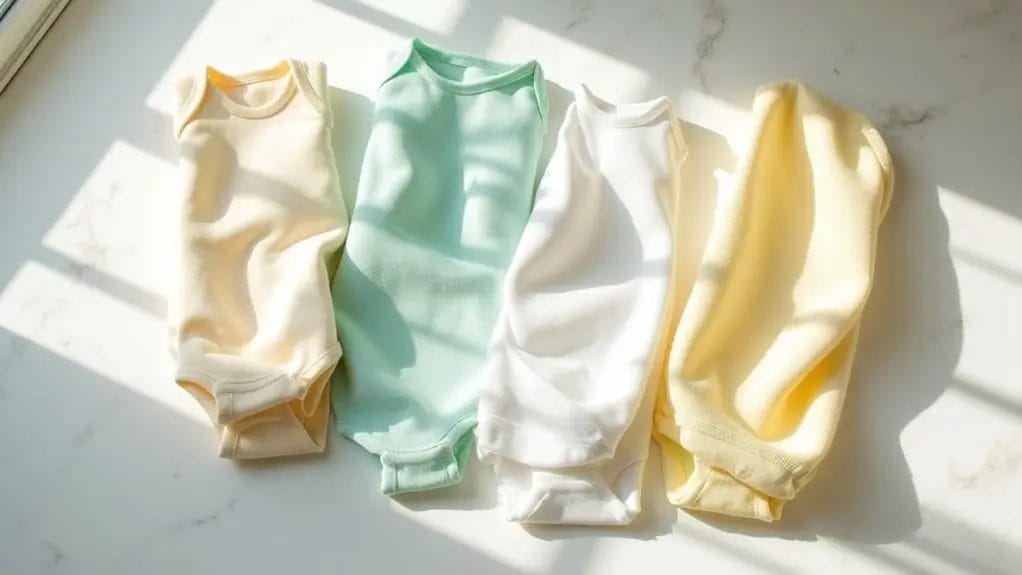
You'll need to assess fabric quality through multiple physical characteristics, including the feel against your skin, weight distribution, and stretch response when pulled gently.
A high-quality baby fabric should maintain its structural integrity after washing, with consistent thickness throughout and proper breathability that allows air to flow freely through the material.
Look for trusted certifications like GOTS (Global Organic Textile Standard) or OEKO-TEX on the label, which verify the fabric meets rigorous safety and quality standards for infant wear.
Feel and Texture
High-quality fabric selection for baby clothes requires a systematic approach to tactile assessment.
When evaluating feel and texture, you'll need to examine the material's surface characteristics using your fingertips. Focus on identifying softness levels and potential irritants that could affect your baby's sensitive skin.
- Run your fingers across the fabric's surface to detect any roughness, pills, or irregular textures that might cause discomfort.
- Test the fabric's pliability by gently stretching and bunching it to assess its movement against skin.
- Press the material between your thumb and forefinger to evaluate its thickness and density.
Fabric Weight and Thickness
Understanding fabric weight and thickness plays a critical role in selecting appropriate baby clothing that provides both comfort and functionality.
You'll need to assess fabric density by feeling the material between your fingers - lighter fabrics should be semi-transparent when held up to light, while heavier ones remain opaque.
To keep your baby cool in warm weather, choose lightweight, breathable materials like cotton batiste or muslin. For cooler temperatures, opt for medium-weight fabrics like interlock cotton or light wool.
Consider layering options, as multiple thin layers often work better than single thick ones for temperature regulation.
Breathability and Stretch
Building on the concepts of fabric weight, two key indicators of baby clothing quality are breathability and stretch characteristics.
You'll want to examine these properties carefully, as they directly impact your baby's comfort and safety.
Breathable fabrics allow proper air circulation, while stretchy materials accommodate growth and movement.
- Test breathability by holding the fabric against light - more visible light means better air circulation
- Check stretch recovery by pulling the fabric and observing if it returns to its original shape
- For sensitive skin, prioritize natural fibers that offer both breathability and gentle stretch, like cotton or bamboo
Checking for Certifications and Labels
When selecting baby clothing, reliable certifications and labels serve as essential indicators of fabric safety and quality.
Look for GOTS (Global Organic Textile Standard) certification, which guarantees chemical-free production processes and sustainable practices. The OEKO-TEX Standard 100 certification verifies that fabrics are tested for harmful substances, making them safe for infant use.
Check for hypoallergenic labels, particularly if your baby has sensitive skin. The USDA Organic seal indicates pure organic cotton without synthetic additives.
You'll also want to verify fabric composition labels, assuring they match the claimed materials and meet safety standards for children's clothing.
Durability After Washing
To identify high-quality baby fabrics that maintain their integrity through multiple washes, parents should examine specific indicators before purchase.
Test fabric durability by gently stretching the material - quality fabrics return to their original shape without distortion. Assess seam construction and thread quality, as these directly impact washability performance.
- Check fiber composition labels - natural fibers like cotton and wool typically maintain structural integrity better than synthetic blends
- Examine fabric weave density - tighter weaves generally indicate better durability through washing cycles
- Look for pre-shrunk or pre-washed labels to guarantee minimal size changes after laundering
Absence of Harmful Chemicals and Odors
Since harmful chemicals in baby fabrics can pose serious health risks, parents must carefully evaluate materials for toxic substances and unpleasant odors before purchase.
You'll want to check for certification labels indicating the absence of harmful chemicals and odors, such as GOTS (Global Organic Textile Standard) or OEKO-TEX.
When choosing the best fabric for your baby, smell the material - it shouldn't have strong chemical scents.
Natural fibers like organic cotton and bamboo typically contain fewer toxins than synthetics.
Consider washing new clothes before use to remove any residual chemicals that could irritate baby skin.
Frequently Asked Questions
How Long Should I Pre-Wash Baby Clothes Before First Use?
You'll need to pre-wash baby clothes once before first use, running them through a complete wash cycle with gentle detergent to remove chemicals, dust, and potential irritants.
Can Babies Wear Hand-Me-Down Clothes Without Fabric-Related Health Risks?
You can safely use hand-me-downs if you thoroughly wash them first using baby-safe detergent and inspect for fabric damage, stains, or mold that could irritate your infant's sensitive skin.
At What Age Can Babies Safely Wear Synthetic Fabrics?
You can introduce synthetic fabrics to your baby after 6 months, but you'll need to monitor for skin reactions. Always choose breathable blends and avoid pure synthetics for sleepwear.
Do Fabric Softeners Affect the Flame-Resistant Properties of Baby Sleepwear?
Yes, fabric softeners can reduce or eliminate flame-resistant properties in baby sleepwear. You shouldn't use them on fire-resistant garments, as they'll leave a coating that compromises safety protection.
How Often Should Baby Clothes Be Replaced as They Grow?
You'll need to replace your baby's clothes every 2-3 months during their first year, then every 3-6 months until age 2, based on their growth rate and seasonal changes.
Conclusion
You'll enhance your baby's comfort and safety by selecting natural, certified fabrics that meet specific quality standards. Remember to prioritize breathability, hypoallergenic properties, and moisture-wicking capabilities when evaluating textile options. Pre-wash all garments before use, verify certification labels, and monitor your baby's skin response to different materials. By implementing these technical specifications, you're ensuring ideal clothing performance for your infant's needs.
0 comments